






Starting a retail business takes focus, planning, and patience. You must understand what to sell, who your customers are, and how to manage costs. With global retail sales crossing 30 trillion dollars, this sector offers massive opportunities for those who start right.
If you are new to this trillion-dollar industry, you may need to understand how it works. If you want to start a retail business successfully, this guide is enough for you to begin.
In this guide, I will give you clear retail business advice to help you move from idea to profit.
Plan with Clarity and Purpose
Write a simple business plan before you start. Identify what you will be selling, where you will be selling it, and who will purchase the same. Initially, keep your focus minimal. To illustrate, when you are launching a clothing store, do not begin with all fads, just with some basic ones.
In your plan, you must mention approximate cost and revenue targets, as well as marketing actions. It is always good to have a plan as it provides you with guidance and prevents you from guessing in your operation of a retail store business.
Understand Your Market and Ideal Location
A strong retail business begins with knowing your customer. Study who lives or shops near your planned location. Observe what other stores sell and how much they charge. Pick a location that matches your audience and your product type. For example, if you sell luxury products, choose an area where people value premium experiences. The right spot brings steady traffic and better conversion.
Build Your Brand and Shop Design
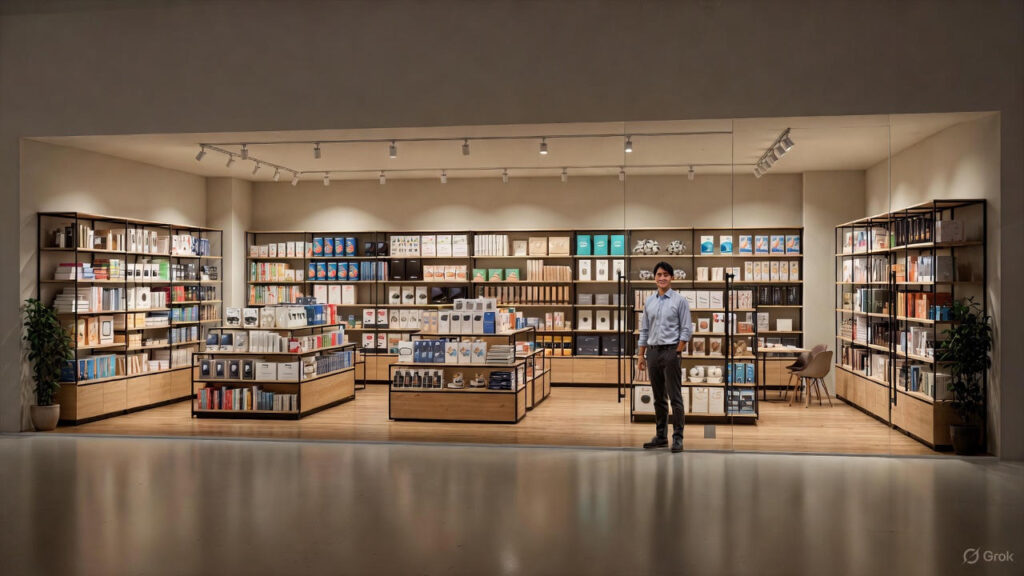
Branding determines the way that people recall your business. Your name should be easy to pronounce, and a basic logo should be created to suit your product. Consider the interior design of your shop – make it easy to navigate around with the lighting, layout, and shelves of the stores where you display your products. The displays and friendly service make a frequent visit a good experience of retailing. Trust, quality, and personality should be reflected in your brand in detail.
Set Up Legal and Financial Foundations
Wait until you have registered your business, have a separate bank account, and verify the local permit regulations. Record all the costs and purchases. This creates financial discipline and supplier trust. It is also significant to know what a retailer is in business terms; a retailer is a buyer of goods who sells them directly to buyers. The importance of knowing your role is to enable you to work professionally and as per the expectations of the customers.
Create a Seamless Shopping Experience
Customers value convenience. Keep your checkout quick and prices visible. Offer multiple payment options and easy returns. If you sell online, make your website simple with clear product photos and short descriptions. Always aim to remove confusion from the buying process. A smooth and friendly shopping flow builds trust and turns new visitors into loyal customers.
Use attractive shop display boxes to keep products visible and organized. Presentation matters more than most people think — good packaging increases impulse buying and enhances your store’s visual appeal.
Stock Smart and Price for Profit
Begin with a few products and specialize in the fast-selling. In the initial stages, avoid overstocking. Monitor your inventory weekly and replenish what sells. In pricing, estimate your cost, put a good mark-up, and survey your rivals. Price testing assists you in identifying the profit-demand equilibrium. Automatic pricing and constant inventory management cushion your cash flow and enhance the margins.
Market Smart and Build Local Awareness
Begin with the easiest marketing social media posts, local flyers, and collaboration with the surrounding stores. Post videos of your store or feedback. Develop first-day specials or loyalty cards for regular customers. Target the local presence and spend less on advertisements. Take notes on feedback from your initial customers and improve your message. Word-of-mouth is potent and contributes to the expansion of your business.
If you sell snacks or cereals, using individual cereal boxes with clean branding helps your product stand out and attract attention. Packaging design becomes part of your overall retail marketing strategy.
Measure, Improve, and Grow
Monitor fundamental sales indicators like daily sales, profit margin, and inventory turnover. Look at them after a week so that you can evaluate what works. Make your shop clean and your staff inspired. Grow only when it is stable – perhaps through the introduction of one new line of product or opening an online shop. Expansion must be based on obvious demand, rather than an educated guess. Minor gradual improvements result in success in the long run.
What is a retailer in business?
A retailer is an individual or a business that sells goods directly to customers through wholesalers or manufacturers. Retailers play the role of mediating between producers and consumers by selling products in small quantities to be used by individuals daily.
How to start a retail business as a beginner?
Start by choosing what to sell and who your customers will be. Create a small business plan, set a budget, find a good location, and register your store legally. Begin with limited stock, focus on customer service, and build your brand slowly.
How much money do you need to start a retail business?
The price is determined by the size and the nature of the shop. A modest store outlet can begin with an investment of approximately $5,000 to $15,000, whereas a bigger or a branded store can require more. Start on a small scale, keep costs under control, and reinvest the profits as your sales increase.
Concluding
The successful launching of a retail business requires transparency, uniformity, and consumer service. Think it through, make your store a design, make your prices reasonable, and advertise in town. Continue to learn based on sales information and customer response. Having a laid-out strategy and a goal-oriented implementation, your retail store business will become stable and profitable.









Leave a Reply