






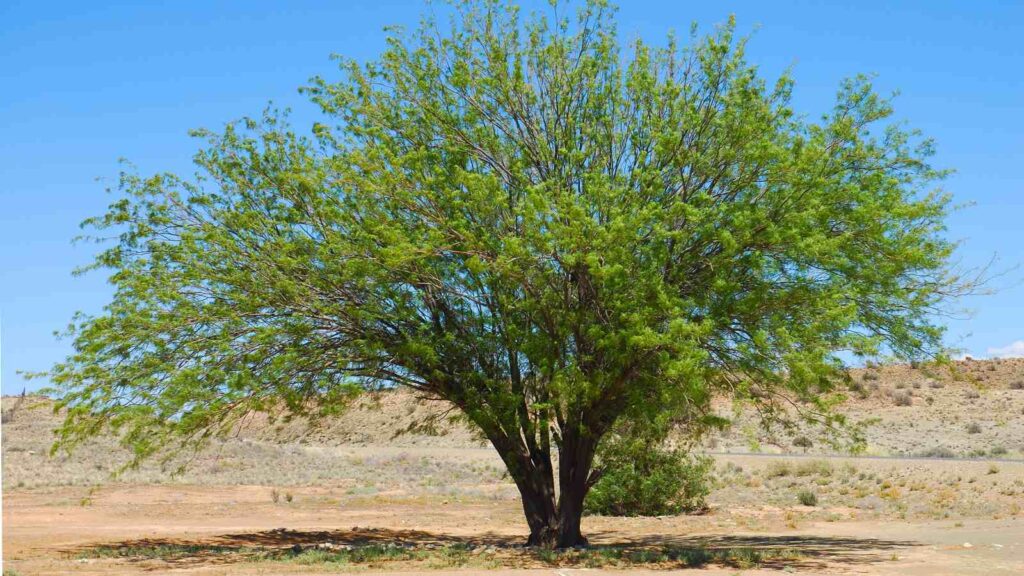
Mesquite trees are drought-tolerant marvels that bring rugged beauty and shade to dry landscapes. Thriving in arid conditions, these hardy trees require specific care in their early stages to ensure robust growth and longevity. By focusing on three key areas—watering, pruning, and soil management—you can cultivate a resilient mesquite that enhances your garden. For those seeking expert gardening advice, Plant Style Home offers a wealth of resources to guide your journey.
Fundamental Care for Mesquite Trees
Mesquite trees are low-maintenance once established, but attentive care during the initial years is crucial. Understanding their unique needs helps prevent common issues and promotes a healthy, thriving tree that can withstand environmental stresses.
Watering Mesquite Trees
Proper watering is essential for young mesquite trees. After planting, water deeply once a week for the first month to encourage deep root development. Gradually reduce frequency to every two weeks, then monthly as the tree matures. Mature mesquites are highly drought-tolerant and rarely need supplemental watering, as their extensive roots access groundwater. Overwatering can lead to root rot, so ensure the soil dries out between sessions. Signs of overwatering include yellowing leaves and soggy soil, while underwatering may cause leaf drop. During extreme droughts, a deep watering every three to four weeks can help maintain vitality. Always water at the base to avoid fungal growth on foliage.
Pruning Mesquite Trees
Pruning shapes mesquite trees and promotes health. The best time is late winter or early spring when the tree is dormant. Start by removing dead, damaged, or crossing branches to improve airflow and prevent disease. For young trees, establish a strong structure by selecting a central leader and trimming competing branches. Avoid heavy pruning, as mesquites can respond with excessive suckering; instead, opt for light annual thinning to maintain form. Use sharp, sterilized tools to make clean cuts, and always prune just outside the branch collar. Regular pruning reduces wind resistance and enhances the tree’s natural beauty.
Soil Requirements for Mesquite Trees
Mesquite trees adapt to various soils but prefer well-draining, sandy, or loamy textures with a pH between 6.0 and 8.0. They tolerate alkaline, saline, and poor soils due to their nitrogen-fixing abilities. When planting, test drainage by filling a hole with water; if it drains within hours, the site is suitable. Amend heavy clay soils with sand or gravel to prevent waterlogging. While mesquites don’t require fertile soil, adding compost during planting can provide a nutrient boost. Mulch around the base to retain moisture, but keep it away from the trunk to avoid rot. For tailored soil solutions, Plant Style Home provides curated products and insights.
Conclusion:
With consistent watering, careful pruning, and appropriate soil conditions, mesquite trees become resilient additions to any landscape. They offer shade, aesthetic appeal, and environmental benefits with minimal upkeep. By integrating tips from resources like Plant Style Home, you can refine your care routine and enjoy a flourishing mesquite tree for years to come.









Leave a Reply