






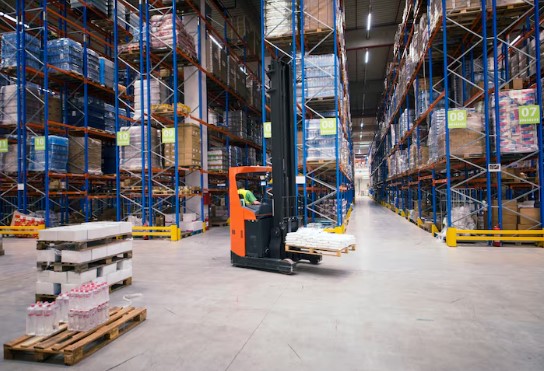
Hiring a certified forklift operator is about more than just ticking a compliance box. Employers across Australia are increasingly focused on finding operators who combine technical skills with safety awareness, reliability, and a strong work ethic. Whether in warehousing, construction, or logistics, a skilled forklift operator plays a critical role in maintaining smooth operations and preventing costly accidents.
For candidates looking to stand out, completing ground Forklift Training Courses Melbourne is a smart step toward building both competence and credibility. These courses not only ensure you meet licensing requirements but also help you develop practical, job-ready skills that employers value from day one.
Valid Certification and Licensing
The first and most essential requirement employers look for is a valid forklift licence. In Australia, this means holding a High Risk Work Licence (HRWL) for forklift operation. Employers want assurance that you have undergone proper training and assessment in line with national safety standards.
However, certification alone is not enough. Employers often favour candidates who have completed training through reputable providers, as this indicates a higher standard of learning and hands-on experience. Keeping your licence current and up to date is equally important, as expired credentials can limit job opportunities.
Strong Focus on Workplace Safety
Safety is a top priority in any workplace involving heavy machinery. Employers expect forklift operators to demonstrate a proactive approach to safety at all times. This includes understanding load limits, maintaining stability, and operating equipment in a controlled manner.
Operators who can identify potential hazards and follow safety protocols reduce the risk of accidents and injuries. Employers also value those who are familiar with workplace health and safety (WHS) regulations and consistently adhere to them. A strong safety mindset not only protects employees but also helps businesses avoid legal and financial consequences.
Practical Experience and Skill Level
While certification provides a foundation, hands-on experience is often what sets candidates apart. Employers prefer operators who have real-world experience handling different types of forklifts and working in various environments.
Experience in busy warehouses, tight spaces, or outdoor job sites can be particularly valuable. Skilled operators are able to manoeuvre efficiently, stack and retrieve goods accurately, and adapt to changing conditions. The ability to work quickly without compromising safety is a key trait employers seek.
Attention to Detail
Operating a forklift requires precision and awareness. Employers look for individuals who pay close attention to detail, whether it’s checking equipment before use, positioning loads correctly, or following instructions accurately.
Mistakes in forklift operation can lead to damaged goods, delays, or serious accidents. Operators who demonstrate consistency and accuracy in their work are highly valued, as they contribute to overall productivity and minimise costly errors.
Good Communication Skills
Forklift operators rarely work in isolation. They are often part of a larger team that includes warehouse staff, supervisors, and logistics coordinators. Clear communication is essential to ensure tasks are completed safely and efficiently.
Employers look for operators who can follow instructions, report issues, and coordinate with team members effectively. Whether it’s using hand signals, radios, or verbal communication, the ability to convey information clearly is a key workplace skill.
Reliability and Work Ethic
Dependability is another critical factor employers consider. Forklift operators are often responsible for time-sensitive tasks, such as loading and unloading deliveries. Delays or absenteeism can disrupt operations and impact business performance.
Employers value candidates who are punctual, consistent, and committed to their role. A strong work ethic, combined with a willingness to take responsibility, makes a significant difference in a fast-paced work environment.
Ability to Perform Equipment Checks and Maintenance
Routine equipment checks are an essential part of forklift operation. Employers expect operators to inspect their equipment before use and report any faults or issues immediately.
Basic maintenance knowledge, such as checking fluid levels, tyres, and controls, is highly regarded. Operators who take care of their equipment help extend its lifespan and reduce the risk of breakdowns or accidents.
Adaptability and Problem-Solving Skills
Work environments can change quickly, especially in industries like logistics and construction. Employers look for forklift operators who can adapt to new challenges and think on their feet.
Whether it’s navigating a crowded workspace or handling unexpected obstacles, problem-solving skills are highly valued. Operators who can remain calm under pressure and find practical solutions contribute to smoother operations.
Understanding of Load Management
Proper load handling is a core responsibility of any forklift operator. Employers expect candidates to understand weight limits, load balancing, and safe stacking techniques.
Incorrect load management can lead to tipping hazards, damaged goods, and safety risks. Operators who demonstrate a strong understanding of these principles help maintain efficiency and safety in the workplace.
Positive Attitude and Teamwork
A positive attitude can go a long way in any job. Employers appreciate forklift operators who are approachable, cooperative, and willing to support their colleagues.
Teamwork is especially important in environments where multiple tasks are happening simultaneously. Operators who work well with others help create a productive and harmonious workplace.
Commitment to Continuous Learning
Industries evolve, and so do workplace practices and technologies. Employers value forklift operators who are open to learning and improving their skills.
This may include undertaking additional training, staying updated on safety regulations, or learning to operate different types of machinery. A commitment to professional development shows initiative and a desire to grow within the role.
Final Thoughts
Employers are looking for more than just a certified forklift operator—they want individuals who bring a combination of technical expertise, safety awareness, and professionalism to the role. By focusing on these key qualities, candidates can significantly improve their chances of securing employment and advancing their careers.
Investing in quality training, gaining hands-on experience, and developing strong workplace habits are all essential steps toward becoming a highly sought-after forklift operator in Australia.









Leave a Reply