






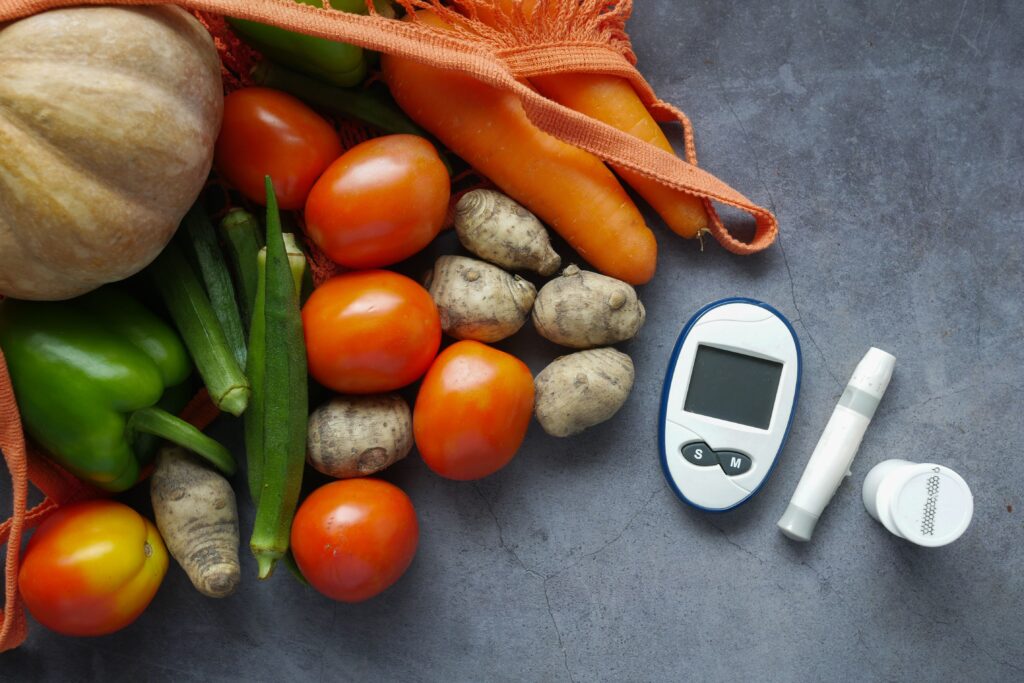
Blood sugar doesn’t only matter if you have diabetes. It affects your energy, mood, hunger, sleep, and even how focused you feel during the day. If you’ve ever felt tired after a meal or found yourself craving sweets just a couple of hours later, your blood sugar could be playing a role.
The good news is that you don’t need expensive supplements or a restrictive diet to support healthy blood sugar levels. Your everyday meals can make a real difference.
Let’s look at the foods that naturally help keep blood sugar steady and how you can include them in your daily routine.
Why Blood Sugar Balance Matters
When you eat carbohydrates, your body turns them into glucose. That glucose enters your bloodstream and gives your cells energy.
The problem starts when blood sugar rises too quickly.
Over time, frequent spikes can increase the risk of insulin resistance, prediabetes, and type 2 diabetes. Even if you don’t have diabetes, unstable blood sugar can leave you feeling tired, hungry, and irritable.
Small food choices, repeated every day, often matter more than occasional healthy meals.
What Makes a Food Good for Blood Sugar?
Foods that support healthy blood sugar usually have one or more of these qualities.
- Rich in fiber
- High in protein
- Contain healthy fats
- Low glycemic index
- Packed with vitamins and minerals
Instead of avoiding carbohydrates completely, focus on choosing better ones.
- Whole Grains
Whole grains digest more slowly than refined grains.
That means glucose enters your bloodstream at a steadier pace.
Good choices include:
- Oats
- Brown rice
- Millets
- Quinoa
- Whole wheat
- Barley
Try replacing white rice with millets a few times each week. Even small swaps can help.
- Green Leafy Vegetables
Leafy vegetables are low in calories but rich in nutrients.
They also contain fiber that slows digestion.
Some good options are:
- Spinach
- Fenugreek leaves
- Amaranth
- Mustard greens
- Lettuce
You don’t have to make elaborate salads.
A simple sabzi or dal with greens works just as well.
- Lentils and Beans
Dal is one of the best foods you can keep on your plate.
Lentils and beans provide:
- Plant protein
- Fiber
- Iron
- Magnesium
Examples include:
- Moong dal
- Masoor dal
- Rajma
- Chana
- Black beans
Pairing dal with vegetables creates a balanced meal that keeps you full for longer.
- Nuts and Seeds
A handful goes a long way.
Nuts contain healthy fats and protein that help reduce sudden blood sugar spikes.
Choose:
- Almonds
- Walnuts
- Pistachios
- Flaxseeds
- Chia seeds
- Pumpkin seeds
Keep portions moderate because they are calorie dense.
- Greek Yogurt and Plain Curd
Unsweetened yogurt is rich in protein and supports gut health.
A healthy gut may also play a role in blood sugar regulation.
Skip flavoured yogurts because they often contain added sugar.
Instead, add:
- Chopped cucumber
- Roasted cumin
- Fresh herbs
It makes a refreshing side dish without extra sugar.
- Eggs
Eggs are filling and naturally low in carbohydrates.
They provide high-quality protein that helps control hunger between meals.
Boiled eggs make an easy breakfast or evening snack.
If you have cholesterol concerns, speak with your healthcare provider about the amount that’s right for you.
- Fatty Fish
Fish like salmon, sardines, and mackerel contain omega-3 fats.
These healthy fats support heart health, which becomes even more important if blood sugar stays high over time.
Aim for two servings each week if you eat fish.
- Berries
Many people think fruit should be avoided.
That’s not true.
Whole fruits contain fiber, vitamins, and antioxidants.
Berries are especially helpful because they contain less natural sugar than many tropical fruits.
Good options include:
- Strawberries
- Blueberries
- Raspberries
Eat them whole instead of drinking fruit juice.
- Apples and Pears
These fruits are rich in fiber, especially when eaten with the skin.
A whole apple satisfies sweet cravings much better than processed desserts.
Pair fruit with a handful of nuts if you want a balanced snack.
- Cinnamon
Some studies suggest cinnamon may help improve insulin sensitivity in certain people.
The effect is modest.
Think of cinnamon as part of a healthy diet, not a treatment on its own.
Sprinkle a little on oatmeal or unsweetened yogurt.
- Fenugreek Seeds
Fenugreek has been used in Indian kitchens for generations.
Its fiber may help slow carbohydrate absorption.
Some people soak the seeds overnight and drink the water in the morning.
Others add the seeds while cooking vegetables or dal.
- Okra
Okra contains soluble fiber.
It slows digestion and helps improve fullness after meals.
Simple preparations often work best.
Avoid deep frying if you’re trying to manage blood sugar.
Foods That Can Cause Blood Sugar Spikes
It’s not only about adding healthy foods.
Reducing certain foods also matters.
Try limiting:
- Sugary drinks
- White bread
- Bakery products
- Candy
- Sweet breakfast cereals
- Deep-fried snacks
- Packaged desserts
- Sweetened fruit juices
You don’t have to avoid them forever.
Just enjoy them less often and in smaller portions.
Build a Blood Sugar Friendly Plate
A simple plate works better than complicated meal plans.
Fill your plate like this:
- Half vegetables
- One quarter protein
- One quarter whole grains or millets
Add a small serving of healthy fat such as nuts or seeds.
This balance helps you stay satisfied for longer.
Everyday Habits That Support Healthy Blood Sugar
Food isn’t the only piece of the puzzle.
Your daily routine matters too.
Try these habits:
- Eat meals at regular times.
- Walk for 20 to 30 minutes most days.
- Sleep for seven to eight hours.
- Drink enough water.
- Include protein in every meal.
- Manage stress through breathing exercises or yoga.
- Avoid skipping breakfast.
These habits may seem simple.
They really do add up over time.
When Should You See a Nutritionist?
Many people wait until diabetes develops before asking for help.
You don’t have to.
Consider speaking with a Nutritionist if you:
- Have prediabetes
- Have type 2 diabetes
- Have a family history of diabetes
- Struggle with weight management
- Have PCOS
- Feel tired after meals
- Want a personalized meal plan
A qualified Nutritionist in Bangalore can understand your health history, food preferences, work schedule, and lifestyle before suggesting changes.
That makes healthy eating much easier to follow.
At Mitha Aahara, nutrition plans are designed around your daily routine instead of asking you to completely change the foods you enjoy. Small changes often last much longer than strict diets.
Frequently Asked Questions
Can food alone control blood sugar?
Healthy eating plays a major role, especially in prediabetes and early insulin resistance. Some people may also need medication based on their doctor’s advice.
Which fruit is best for blood sugar?
Berries, apples, pears, oranges, and guava are good choices when eaten in moderate portions as part of a balanced diet.
Is rice bad for diabetes?
Not necessarily.
Portion size matters. Pair rice with vegetables, dal, and protein instead of eating a large serving on its own.
Are millets better than white rice?
Millets usually contain more fiber and may lead to a slower rise in blood sugar. They can be a good alternative when included as part of a balanced meal.
Can I eat snacks between meals?
Yes.
Choose snacks that combine protein and fiber.
Examples include roasted chana, nuts, sprouts, boiled eggs, or plain yogurt.
Final Thoughts
Managing blood sugar doesn’t have to feel confusing. You don’t need perfect meals every day. Start with one change. Add more vegetables to lunch. Replace refined grains with whole grains. Choose nuts instead of packaged snacks. These small steps become habits over time.
If you’re looking for guidance that fits your lifestyle, working with a qualified Nutritionist can help you build a meal plan that’s practical, balanced, and easy to maintain for the long term.









Leave a Reply