






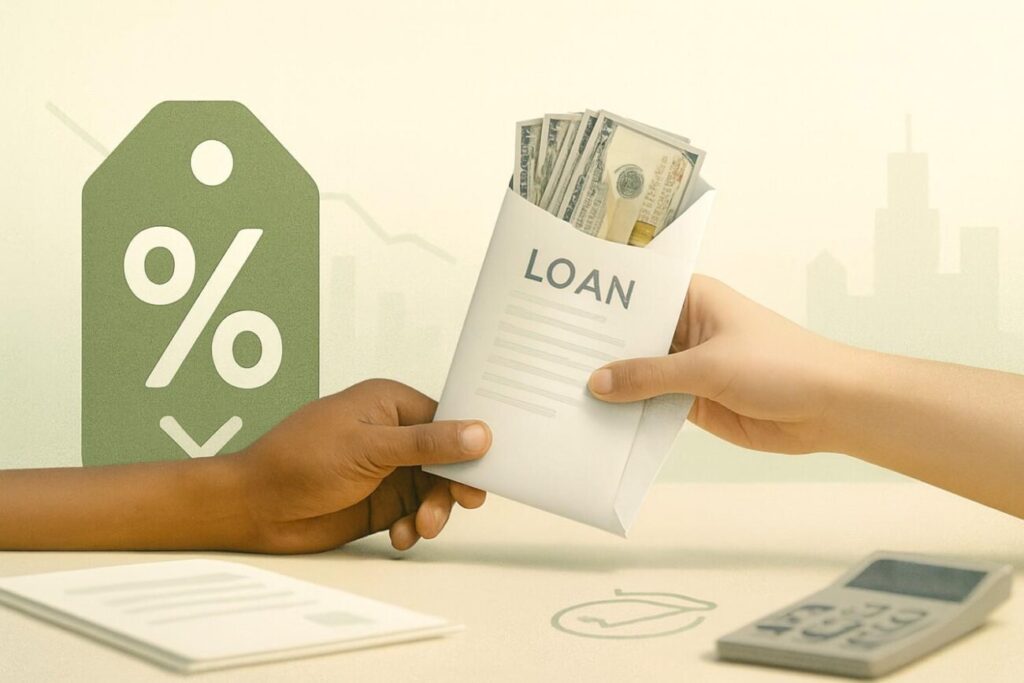
Most people rely on loans when caught off guard by unexpected expenses. Quick disbursement of funds provides relief from mental stress, but in a rush to fund unforeseen expenses, they often fail to take into account their cost. An instant cash loan in 1 hour in Ireland comes with a high interest rate. Since they are discharged in one fell swoop, there is a high probability of falling into debt.
Experts enjoin that you borrow money responsibly. Responsible borrowing means assessing your borrowing needs and determining your affordability. You should never borrow money more than your affordability. Do not forget that you will pay interest on top of what you borrow. Your budget should have wiggle room to be able to repay the total amount of debt, not just the principal amount.
What is responsible borrowing?
It means taking on debt with a clear repayment plan and minimal risk to your financial health. It’s not about avoiding debt entirely. It is rather about using it strategically when emergencies crop up.
Key points to consider at the time of borrowing:
- Borrow only what you need
- Understand the repayment terms and interest rates
- Have a repayment strategy
- Explore alternatives before taking out high-cost loans
What are responsible borrowing tips?
Here are responsible borrowing tips to cover emergency expenses:
Assess the emergency
When you come across some unexpected expenses, the first thing you need to check is whether the nature of the expense is urgent. Not all unforeseen expenses can be considered an emergency. For instance, if a boiler conks out in the winter season, it could be considered an emergency, but if a grinder becomes out of commission, you can make do with it.
Therefore, before rushing to online lenders, you should carefully assess whether the expense is unavoidable. If you can postpone, try not to borrow money now. Instead, build savings. If it is an emergency expense, you should borrow money only to cover the gap in your savings.
Explore borrowing options
Once you have decided how much money you need, the next step is to figure out which borrowing option is suitable for you.
Savings
If you have personal savings, you should dip into them. Even if they fall short of cash, loans should be used to bridge the gap only. Savings are the most affordable funding option as they charge no interest. Funds are immediately accessible. No risk of a credit check and no risk of falling into debt.
Borrowing from friends and family
Another alternative is borrowing from friends and family. They can lend you money without charging interest rates. You can choose to repay the debt in instalments, but make sure that you pay them back the full amount. Otherwise, this will strain your financial situation.
Credit cards
Credit cards will let you access funds immediately. You can avoid paying interest if you clear the balance within a grace period. If you fail to pay off the balance in full, you will end up paying very high interest rates.
Personal loans
Personal loans are ideal when you need at least €1,000. However, getting approval for these loans is not a cinch, as they require a good credit score. Some lenders accept applications from subprime borrowers too, but they charge high interest rates.
Calculate the cost of borrowing
Before applying for a loan, you should calculate the cost of borrowing. It not only includes interest rates, but it also includes additional fees and charges. Focus on the APR as it includes interest rates and fees.
It is hard to determine the actual APR you will be charged before putting in an application form. Lenders generally reveal a representative APR. It is an APR that about 51% of applicants got. However, based on your circumstances, the actual APR could be either lower or higher than this.
Since most of the time, the actual APR is always higher, make sure that your budget has enough wiggle room to discharge the debt. Use online loan calculators to know how much it would cost you if you got a loan at a representative APR.
If you find that your budget will be able to cover only this much cost, you should drop the idea of borrowing money. Actual APRs will most probably be higher, and you will struggle to keep up with payment dates.
In addition, do not forget to check the repayment term. If the loan amount is less than €1,000, you will have to discharge the debt at one shot. Make sure that you will not fall short of cash to meet other essential expenses after paying off the debt.
Create a repayment plan
You must have a realistic repayment plan. It is likely that you will need to stop spending on discretionary expenses unless you discharge your debt. Automate payments so you do not miss any. Auto-debit will help you keep on top of your payments.
If you already have other debts, make sure that you will not struggle with their payments as well. Do not fall into the trap of minimum payments because if you carry a credit card balance every month, interest will accrue on the unpaid balance. As a result, you will end up with credit card debt.
What are the mistakes you should avoid while borrowing money?
Avoid the following mistakes:
- Borrowing more than you need.
- Ignoring the small print.
- Relying on short-term high-cost debts.
- Not considering your repayment ability.
The Bottom line
Loans can help you fund emergency expenses, but make sure that you can repay them on time. Before borrowing money, consider safer alternatives such as savings and borrowing from friends and family.
Emergencies can crop up at any time, and therefore you should build an emergency cushion. Start one now. An ideal emergency cushion should be at least three months’ worth of living expenses. If you are on low wages, try to increase your income, but you must have a safety net.









Leave a Reply