






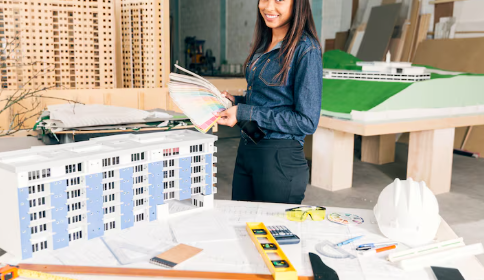
A fit-out project, whether for a home, office or commercial space, is a significant undertaking that requires careful planning, budgeting and professional expertise. It’s far more than choosing décor or rearranging furniture—it involves construction, technical installations, material selection and compliance with safety regulations. With the right preparation, you can avoid expensive mistakes, reduce delays and ensure the final result fully supports your lifestyle or business goals.
Before diving into the transformation, it’s important to understand what a fit-out actually involves and what decisions will shape the outcome. From defining your objectives to selecting the right contractors, every step plays a vital role. Below are the essential considerations to keep in mind before starting your fit-out project.
1. Define the Purpose and Vision of the Space
The first step in any fit-out project is clarifying the purpose of the space and how you plan to use it. Whether you’re designing a home office, a retail store, a restaurant or a gym, the function determines everything from layout and materials to lighting and furniture. A well-defined vision ensures the design aligns with your personal needs or business operations. Without this clarity, decisions become scattered and may not support your long-term goals.
In addition to functionality, consider the aesthetic direction you want to achieve. Do you prefer a modern minimalistic style, a warm rustic feel, or a bold, branded look? Preparing inspiration boards, sketches and reference images can help you and your contractors stay aligned throughout the project. Knowing your desired outcome early on will shape smarter decisions during the planning and construction phases.
2. Set a Realistic Budget with a Contingency Plan
Budgeting is a crucial stage that determines the overall scope of your project. A fit-out includes multiple cost components such as materials, labour, design fees, technical installations, furniture, approvals and potential structural changes. Creating a detailed budget helps you understand where to invest and where you can adjust. Many people underestimate the cost of technical elements like MEP works, which are essential in ensuring safety and functionality.
It’s equally important to include a contingency fund—usually 10% to 20% of your total budget. Unexpected issues such as hidden structural damage, supply delays or additional electrical requirements often arise once the project begins. Having a buffer prevents disruption and stress, allowing the project to continue smoothly. A well-planned budget helps maintain quality without compromising essential features.
3. Assess the Condition of the Existing Space
Before any construction or installation begins, it’s vital to evaluate the current condition of the space. This includes assessing electrical systems, plumbing lines, ventilation, flooring and structural integrity. A professional site survey helps identify potential challenges early, such as outdated wiring, uneven floors or moisture issues that may require additional work. This prevents costly surprises later on.
Understanding the existing site conditions also influences design choices and materials. For example, older buildings may need reinforced ceilings to support heavy fixtures, while compact spaces may require custom-made furniture to maximise functionality. A thorough assessment ensures your fit-out plan is both practical and compatible with the space you’re working with.
4. Plan the Layout Carefully for Functionality and Flow
A successful fit-out depends on thoughtful space planning. The layout determines how people move, interact and work within the environment. In residential spaces, this might mean creating efficient kitchen zones, comfortable living areas or ergonomic home offices. For commercial settings, flow planning supports customer traffic, employee productivity and health & safety compliance. A well-designed layout enhances both comfort and functionality.
Professionals often use 3D models and floor plans to help visualise how different elements will come together. This allows you to identify potential issues early, such as overcrowded areas or unused corners. Efficient layout planning ensures every square foot is used wisely and the final environment supports its intended purpose.
5. Select the Right Materials and Finishes
Choosing materials for a fit-out is more than a stylistic decision—it affects durability, maintenance and performance. High-traffic areas require robust flooring, moisture-prone rooms need water-resistant finishes and workspaces benefit from low-maintenance surfaces. The materials you select must suit the function of each room. This ensures long-term value and reduces the need for frequent repairs or replacements.
Aesthetic consistency is also important. Coordinated colours, textures and finishes create a cohesive look that enhances the experience of the space. From flooring and wall treatments to lighting fixtures and cabinetry, every detail contributes to the overall feel. Material selection should balance practicality, cost and visual appeal.
6. Understand Compliance, Approvals and Safety Requirements
Fit-out projects must comply with local building regulations, safety standards and, in some cases, commercial industry guidelines. This includes fire safety planning, electrical load distribution, accessibility requirements and structural approvals. Failing to meet these standards can lead to legal issues, penalties or delays. Ensuring compliance early in the planning stage protects your investment and guarantees the space is safe for occupants.
Commercial spaces, such as restaurants, offices and gyms, have even stricter regulations due to public use. Working with professionals familiar with local laws helps streamline approval processes. They coordinate with authorities, submit required documents and ensure all installations follow legal guidelines. This expertise saves time and reduces risk.
7. Choose the Right Fit-Out Contractors
Your choice of contractor has a significant impact on the success of your project. Skilled fit-out professionals bring technical knowledge, craftsmanship and project management expertise needed to deliver high-quality results. They coordinate multiple teams, maintain schedules, oversee materials and ensure all installations meet industry standards. A reliable contractor turns a complex construction process into a smooth, structured experience.
If you’re taking on a commercial project, experienced office fit out contractors in Dubai can provide the technical precision needed for work environments.
For specialised facilities such as fitness centres, gym fit out Dubai experts ensure the space meets durability, safety and performance requirements.
8. Plan the Timeline and Account for Downtime
A clear timeline helps manage expectations and ensures the project stays on track. Fit-out schedules include phases such as demolition, structural work, MEP installation, finishing, furnishing and final inspection. Commercial spaces especially need careful planning to minimise downtime and ensure business continuity. Unexpected delays may occur, so flexibility is essential.
Homeowners should also consider the impact of construction activity, noise and temporary displacement. Planning ahead—such as arranging temporary workspaces or relocating essential items—helps reduce disruption. A well-organised timeline ensures the project progresses smoothly and is completed within an acceptable timeframe.
Final Thoughts
Starting a fit-out project is an exciting opportunity to transform a space into something functional, stylish and uniquely tailored to your needs. By taking time to plan your budget, layout, materials, compliance and contractor selection, you set the foundation for a successful outcome. Fit-outs are complex, but with the right preparation and expert support, the final result can significantly enhance comfort, usability and long-term value.



Leave a Reply