






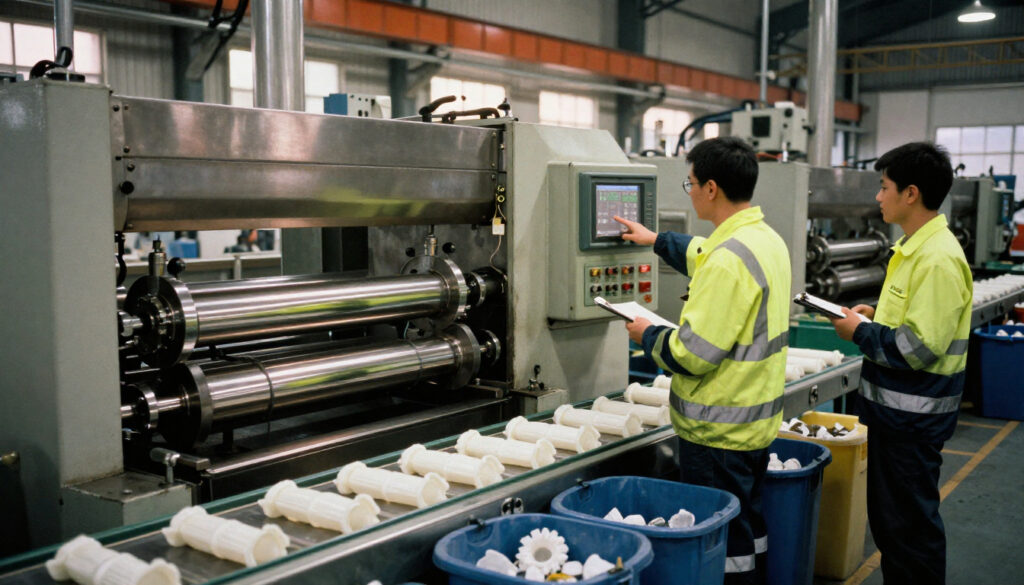
Inside a running factory, everything moves in a quiet rhythm. The heater zones glow, the screw rotates, molds open and close on strict timing. One small error can break this balance within seconds. This is where operator training shapes real production success. Extrusion Blow Molding Machines depend on skill more than most people realize. These machines shape packaging used in homes, hospitals, and industrial sites every day. Training turns routine machine operation into stable production, safer handling, and cleaner output. This guide explains why skilled operators stand at the heart of reliable blow molding work.
What Makes Operator Training a Daily Production Need
Extrusion Blow Molding Machines work under tight control of heat, pressure, timing, and airflow. A slight error in any stage changes the final product shape. Training teaches operators how these elements work together during real production.
Trained hands understand how melt flow changes with temperature. They sense when parison stretch looks uneven. They adjust cooling timing before shrink marks appear. These reactions reduce rejected parts before waste grows.
Factories that introduced structured training programs often report near 25 to 30 percent reduction in daily rejection within the first few months of proper instruction.
How Do Extrusion Blow Molding Machines Work in Daily Production
Extrusion Blow Molding Machines melt plastic and push it through a die head that forms a soft tube called a parison. Air inflates this tube inside a mold. Cooling solidifies the shape and trimming removes excess material.
Parison Control
Operators manage melt temperature and extrusion speed to shape uniform wall thickness.
Mold Timing
The closing speed and cooling duration control surface strength and clarity.
Trimming Rhythm
Correct trimming timing protects the neck finish and avoids cracking.
When operators lack proper training these stages drift out of balance. The outcome appears later as warped walls weak bases and visible defects.
Why Untrained Handling Raises Daily Wastage
Blow Molding Machines run at high speed. Even small setting errors multiply across thousands of parts per shift. Untrained handling leads toward uneven wall thickness poor sealing edges and unstable base strength.
Many faults stay hidden until cooling ends. At that stage the raw material and energy already stand lost. Training allows early detection through visual cues sound changes and pressure behavior.
A packaging unit in Southeast Asia recorded a 22 percent scrap drop after introducing structured hands-on skill programs across evening shifts.
DID YOU KNOW
A safety study shared through the U.S. Bureau of Labor Statistics shows that proper machine handling training cuts industrial equipment injury risk close to 40 percent within the first year of structured learning programs.
What Safety Gains Come With Trained Operators
Extrusion Blow Molding Machines involve high heat fast clamping movement and compressed air. Operators face constant risk without proper process knowledge. Training builds calm response instead of panic.
Trained teams follow safe mold exchange routines. They lock out power before inspection. They read early warning signs through sound vibration and pressure behavior. This reduces clamp injuries and heat exposure incidents.
Henry Ford once said, “Quality means doing it right when no one is watching.”
In blow molding work operators protect quality minute by minute even when supervisors step away.
How Training Improves Machine Life and Output
Machines perform longer when daily stress stays under control. Trained operators sense changes in vibration heat pattern and airflow before damage builds.
They manage lubrication at the right pace. They keep heater zones stable. They protect mold surfaces through clean handling. These habits reduce screw wear barrel scoring and mold cavity damage.
Many factories that maintain continuous training extend machine service life close to 30 percent across five year cycles.
What Role Does Skill Play in Energy Control
Extrusion Blow Molding Machines draw large electrical loads. Skilled operation prevents wasteful power use. Trained operators balance heater zones manage cooling water flow and optimize idle cycles during pauses.
An energy audit at a beverage packaging plant showed near 18 percent reduction in monthly power consumption after focused operator upskilling sessions were completed.
Which Skills Separate Expert Operators
Expert operators share habits developed through long practice and structured learning. They do not rely on guesswork. They read digital panels calmly. They notice subtle changes in melt behavior and airflow sound. They document shift changes clearly and respond to faults without panic.
Peter Drucker once said, “The best way to predict the future is to create it.”
Well-trained operators create stable production futures through disciplined daily control.
How Training Supports Quality Control Teams
Quality inspection happens after production. Operator skill protects quality before inspection begins. Trained operators catch sink marks haze uneven trimming and weight drift early. They correct issues before full batches fail quality checks.
This coordination reduces rework lowers rejected packing counts and protects delivery timelines.
What Happens When Training Gets Ignored
Factories that avoid training face repeating shutdown cycles. Machine stoppage increases. Scrap piles grow. Noise vibration and wear faults appear faster.
An industrial polymer processing survey shared that over 60 percent of unplanned downtime links directly with human handling errors rather than mechanical failure.
How New Operators Learn Blow Molding Machines in Modern Plants
Modern learning blends guided shadow work simulation panels and live fault drills. New staff follow experienced operators during full shifts. Digital training panels simulate error conditions without damage risk. Live drills teach fast recovery methods.
This mix builds confidence faster than classroom teaching alone.
How Daily Production Gains Shape Profit
Scrap drains raw resin power time and labor. Training protects each stage. Stable wall thickness reduces raw resin use. Accurate trimming limits scrap. Smooth mold changes prevent downtime.
During one production year many facilities recover training budget several times over through reduced waste and higher output reliability.
What Should a Strong Training Plan Cover
Every plant carries its own workflow. Still strong training programs focus on machine startup shutdown mold exchange airflow testing and trimming inspection. Short refresh sessions each month keep reaction speed sharp and prevent skill dulling.
Why Operators Shape the Brand Without Marketing
Customers never see the molding floor. Still surface clarity wall symmetry and sealing strength shape brand trust quietly. Operators shape that confidence one unit at a time through discipline and training.
DID YOU KNOW
A 2023 global packaging efficiency survey reported that factories with structured operator training achieved 27 percent higher monthly output stability than plants without formal skill programs.
How Training Protects Materials During Shift Changes
Material transitions create hidden waste risk. Trained shift handovers share melt temperature resin batch data and airflow notes. This keeps the next shift aligned with earlier quality control targets and prevents sudden defect patterns.
How Does Training Help With Multi Layer Blow Molding
Multi layer containers need precise melt balance across layers. Training helps operators manage layer bonding viscosity control and uniform cooling. Without skill these layers peel separate or weaken under load.
What Operators Gain Beyond Technical Skill
Training shapes confidence and career stability. Operators feel safer in job roles. Injury risk drops. Leadership opportunities grow. Calm decision making replaces production stress. These human gains translate into long-term plant strength.
How Often Should Training Stay Updated
Resin grades change. Mold designs evolve. Control panels upgrade. Training must remain active. Many strong plants refresh core process knowledge twice per year and run special sessions after machine upgrades or material shifts.
Conclusion
The Decision That Shapes Every Production Line
Extrusion Blow Molding Machines shape daily output yet trained operators shape long-term success. Machines alone never protect quality. Skill directs every parison stretch every clamp close every cooling cycle. Training preserves productivity trims waste strengthens safety and builds process trust across every shift. It protects machines yet also protects people. In modern plastic production training never stands as expense. It acts as insurance growth driver and stability backbone. Every skilled operator becomes a silent guardian of output strength working hour after hour behind the scenes.
For additional updates, visit our website at witanworld.com



Leave a Reply