






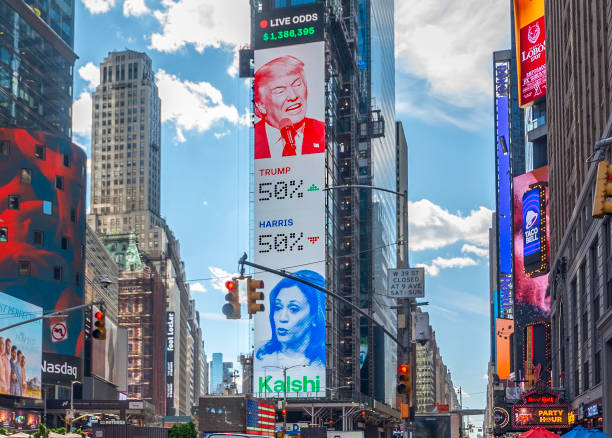
Nevada, often described as one of America’s most closely watched battleground states, is currently witnessing a shift in its political landscape. A key driver behind this evolution is Trump’s approval in Nevada, a metric that has grown increasingly significant in predicting voter behavior and shaping campaign strategies. While Donald Trump continues to maintain a loyal following, fluctuations in his approval ratings are signaling broader changes across the state’s diverse electorate, impacting both Republicans and Democrats as they plan for upcoming elections.
Trump’s Base and Core Support in Nevada
Donald Trump has traditionally enjoyed strong support in Nevada’s rural counties, including Elko, Eureka, and Pershing. These areas consistently lean Republican, and his populist and conservative messaging resonates deeply with many residents. Trump’s approval in Nevada remains high among this segment, forming a dependable foundation for the Republican Party.
However, relying solely on rural support is no longer sufficient to secure statewide victories. Nevada’s urban centers, especially Clark County (home to Las Vegas) and Washoe County (home to Reno), host a large and growing population that tends to lean Democratic or independent. These voters often have more nuanced views, and their influence is increasingly shaping election outcomes. As a result, Trump’s approval in Nevada among moderates and independents has become a critical factor in determining political success across the state.
Demographic Changes Shaping Approval Ratings
Nevada’s electorate is evolving rapidly. Migration from states like California and Arizona, along with the growth of younger and more diverse populations, has altered the political composition of the state. Urban and suburban areas, in particular, are expanding both in size and political influence, creating a complex environment for any national figure, including Trump.
The changes in voter demographics directly affect Trump’s approval rating Nevada. While rural voters remain loyal, urban and suburban voters, including younger and minority populations, are often less receptive to his messaging. Campaign analysts note that even small shifts in these groups’ support can have large implications for statewide elections, making approval ratings an important tool for predicting outcomes.
Economic and Social Factors Influencing Approval
Economic conditions in Nevada play a significant role in shaping Trump’s approval in Nevada. The state’s reliance on tourism, hospitality, and service industries makes residents particularly sensitive to employment rates, wages, and cost-of-living fluctuations. Rising housing costs and inflation have become central concerns for many voters, influencing their views on national leadership and economic policy.
Social issues, including healthcare, education, and immigration, also affect voter sentiment. Trump’s polarizing style has reinforced support among core conservatives but has alienated certain suburban and independent voters. This dynamic is evident in approval ratings, which can serve as a snapshot of how different voter groups perceive his leadership and priorities.
Impact on Campaign Strategies
Trump’s approval in Nevada significantly shapes how political campaigns are run. For Republicans, maintaining strong support in rural areas while appealing to urban and suburban moderates is a delicate balancing act. Candidates may need to align with Trump on some issues to energize the base while avoiding rhetoric that could alienate more moderate voters.
Democrats, on the other hand, see fluctuations in Trump’s approval as an opportunity to capitalize on voter dissatisfaction. Lower approval among independents or suburban voters allows them to emphasize stability, economic growth, and pragmatic governance. Campaign messaging, voter outreach, and resource allocation are all influenced by trends in Trump’s approval in Nevada, making it a crucial factor in strategic planning.
Voter Turnout and Electoral Implications
High or low approval ratings directly impact voter enthusiasm. A strong Trump approval in Nevada can motivate Republican voters to turn out in key districts, boosting the party’s chances in competitive races. Conversely, declining approval may depress Republican turnout while energizing Democratic voters.
Given that Nevada’s elections are often decided by narrow margins, even minor changes in approval can have significant consequences. From presidential races to congressional and state-level contests, Trump’s approval in Nevada functions as a bellwether for voter engagement and electoral competitiveness.
The Polarization Effect
One important aspect of Trump’s approval in Nevada is its role in political polarization. Strong support from loyalists reinforces partisan divides, while declining approval among moderates reflects broader dissatisfaction with political extremism. This polarization affects not only election outcomes but also policy debates, public discourse, and the strategies parties employ to mobilize voters. Analysts argue that Nevada’s unique combination of urban diversity and rural conservatism makes it particularly sensitive to the effects of polarization tied to Trump’s approval ratings.
Looking Ahead
The trajectory of Trump’s approval in Nevada will continue to shape the state’s political future. As demographic shifts, economic challenges, and political dynamics evolve, approval ratings will serve as a key indicator for both parties. Republicans must navigate the tension between energizing their base and appealing to moderates, while Democrats can leverage fluctuations in approval to gain ground in crucial urban and suburban districts.
Approval ratings are not static; they respond to national events, policy announcements, and the broader political climate. Tracking Trump’s approval in Nevada offers insight into voter priorities, potential electoral outcomes, and the strategies candidates will adopt in future campaigns.
Conclusion
Trump’s approval in Nevada is more than just a number; it is a defining factor in the state’s political evolution. From shaping campaign strategies and voter turnout to influencing the balance between rural and urban electorates, approval ratings provide a window into Nevada’s complex political landscape. As the state continues to change demographically and economically, Trump’s approval in Nevada will remain a critical metric for understanding how politics will unfold in one of America’s most pivotal battlegrounds. Monitoring these trends offers essential insight into the forces that will shape Nevada’s elections for years to come.



Leave a Reply