






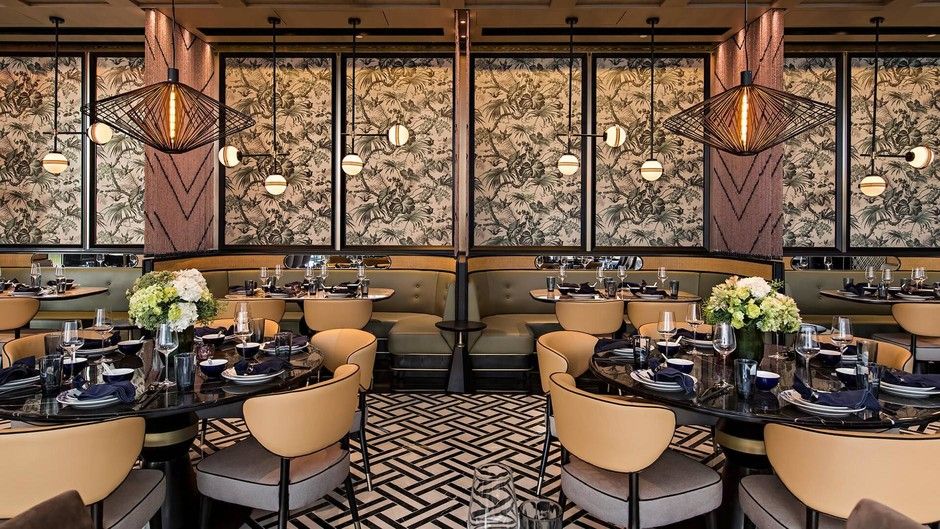
Technology has become a driving force behind innovation in commercial interior design. From smart offices to digitally enhanced retail and hospitality spaces, technology is reshaping how commercial environments are planned, designed, and experienced. Today, commercial interior design is no longer limited to aesthetics and layout—it now integrates advanced tools and smart solutions that improve functionality, efficiency, and user experience. As businesses evolve, technology-driven design is helping them create spaces that are more adaptable, sustainable, and future-ready.
Digital Tools Transforming the Design Process
One of the most significant ways technology is changing commercial interior design is through advanced digital design tools. Software such as 3D modeling, virtual reality (VR), and augmented reality (AR) allows designers and clients to visualize spaces before construction begins. Businesses can explore layouts, materials, lighting, and finishes in a virtual environment, reducing uncertainty and design errors.
Building Information Modeling (BIM) has also revolutionized project planning. BIM enables detailed coordination between designers, contractors, and engineers, ensuring accuracy and efficiency throughout the project lifecycle. These tools help streamline decision-making, minimize rework, and keep projects on schedule and within budget.
Smart Offices and Intelligent Workspaces
Technology is redefining how office spaces function. Smart offices integrate automation and connected systems to enhance comfort and productivity. Features such as automated lighting, climate control, and occupancy sensors adjust the environment based on real-time usage, improving energy efficiency and employee comfort.
Commercial interior design now considers technology infrastructure as a core element. Workspaces are designed to support seamless connectivity, video conferencing, and hybrid work models. Smart meeting rooms, wireless charging stations, and flexible layouts allow businesses to adapt to changing work styles while maintaining efficiency.
Enhancing User Experience Through Technology
In retail and hospitality spaces, technology plays a key role in enhancing customer experience. Digital displays, interactive kiosks, and smart signage create engaging environments that attract and inform visitors. Restaurants and cafes use digital menus and smart ordering systems to improve service speed and accuracy, while hotels incorporate smart room controls to personalize guest experiences.
Commercial interior design integrates these technologies seamlessly into the physical environment, ensuring that tech enhances rather than overwhelms the space. When thoughtfully implemented, technology becomes an invisible yet powerful element that improves usability and engagement.
Sustainable and Energy-Efficient Design Solutions
Technology is also driving sustainability in commercial interiors. Smart energy management systems monitor and optimize power usage, reducing operational costs and environmental impact. LED lighting, motion sensors, and automated shading systems contribute to energy efficiency while maintaining visual comfort.
Sustainable materials and eco-friendly design solutions are now supported by technology that tracks performance and durability. Commercial interior design increasingly focuses on creating green, responsible spaces that align with corporate sustainability goals.
Flexible and Future-Ready Spaces
Modern businesses require spaces that can evolve with their needs. Technology supports flexibility through modular design solutions and adaptable infrastructure. Moveable partitions, smart furniture, and integrated digital systems allow commercial interiors to be reconfigured quickly and efficiently.
This adaptability is especially valuable in offices and coworking spaces, where changing team sizes and work patterns demand versatile layouts. Technology-driven design ensures that commercial interiors remain relevant and functional over time.
The Role of Professional Expertise
While technology offers powerful tools and solutions, professional expertise remains essential. Skilled commercial interior designers understand how to integrate technology without compromising aesthetics or functionality. They ensure that systems are user-friendly, compliant with regulations, and aligned with the overall design vision.
Conclusion
Technology is transforming commercial interior design by enhancing efficiency, sustainability, and user experience. To fully leverage these advancements, businesses benefit from elements turnkey – commercial interior design solutions. With an end-to-end turnkey approach, elements turnkey – commercial interior design manages every stage—from technology-integrated design concepts to flawless execution and delivery. This ensures cohesive, future-ready commercial spaces where technology and design work seamlessly together, empowering businesses to thrive in a rapidly evolving world.



Leave a Reply