






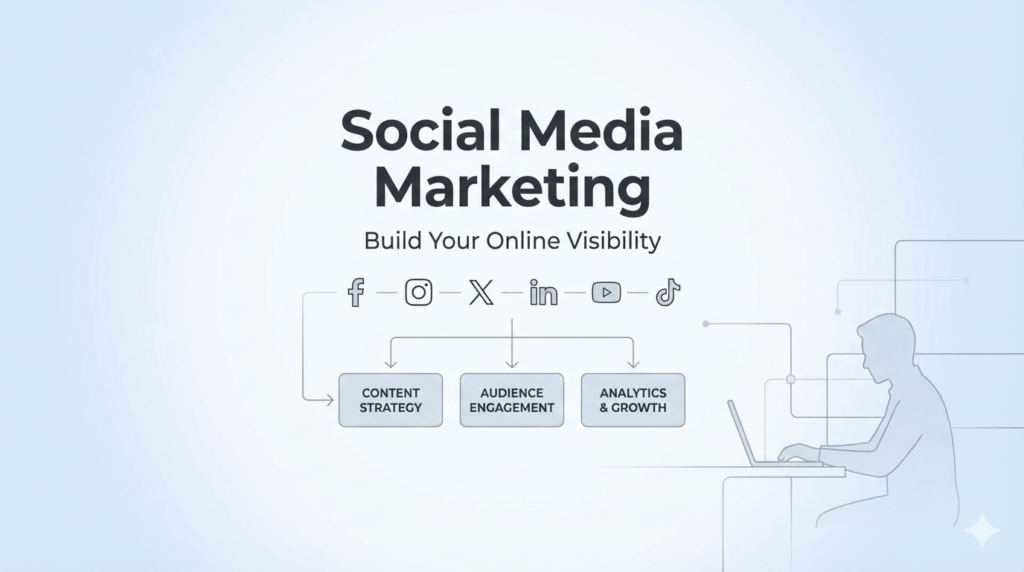
Social media marketing has never been static, but as we move into 2026, the pace of change feels faster than ever. Platforms are evolving, user behavior is shifting, and brands that rely on outdated tactics are finding it harder to stay visible. The days of posting randomly and hoping for engagement are long gone. Today, success on social media depends on strategy, consistency, and a deep understanding of how people actually consume content.
In 2026, social media is no longer just a place for promotion. It has become a discovery engine, a customer service channel, a sales funnel, and a community hub all at once. Brands and creators who understand this multi-layered role are the ones seeing real growth. The strategies that work now are rooted in authenticity, value, and long-term thinking rather than short-term viral wins.
Understanding How User Behavior Has Changed
One of the biggest shifts in social media marketing is how users interact with content. People are scrolling faster, but they are also more selective. They ignore anything that feels overly sales-driven or repetitive. At the same time, they spend more time engaging with content that feels relatable, educational, or emotionally resonant.
In 2026, users expect brands to speak like humans, not advertisers. They want honesty, transparency, and relevance. This means marketers must move away from polished, overly edited posts and focus more on real conversations, behind-the-scenes insights, and content that actually solves problems or answers questions.
Platform-Specific Strategies Matter More Than Ever
A common mistake many marketers still make is posting the same content across all platforms. In 2026, this approach simply does not work. Each platform has its own audience mindset, content format, and engagement style.
Short-form video dominates platforms like Instagram, TikTok, and YouTube Shorts, but the tone and structure that work on each platform are different. LinkedIn favors thoughtful insights, professional stories, and industry commentary. X (formerly Twitter) is still driven by opinions, trends, and real-time discussions. Facebook continues to perform well for community-based content and groups.
Successful social media marketing now requires adapting your message to fit the platform rather than forcing the platform to fit your message.
Short-Form Video Is Still King, but Quality Wins
Short-form video remains the most powerful content format in 2026, but the competition is intense. Simply posting videos is not enough. The videos that perform well are those that hook viewers within the first few seconds and deliver value quickly.
Educational snippets, quick tips, real-life examples, and honest opinions tend to outperform flashy visuals with no substance. Viewers want to feel like they gained something from watching, even if it only took 20 seconds.
Consistency also plays a major role. Accounts that post regularly and maintain a recognizable style tend to build trust faster. Over time, this trust translates into higher engagement and stronger brand recall.
Community Building Is More Important Than Follower Count
One of the most important social media marketing strategies in 2026 is shifting focus from vanity metrics to meaningful engagement. A smaller, engaged audience is far more valuable than a large group of passive followers.
Brands that invest in community building are seeing better long-term results. This includes replying to comments, engaging in direct messages, asking questions, running polls, and encouraging user-generated content. People want to feel seen and heard, not talked at.
Private communities, such as groups or close-friends content, are also gaining popularity. These spaces allow deeper conversations and stronger relationships, which ultimately lead to higher loyalty and trust.
Authenticity Beats Perfection Every Time
Highly polished content used to be the gold standard, but in 2026, authenticity matters more than perfection. Users can easily tell when content feels forced or overly scripted. Raw, honest content often performs better because it feels real.
This does not mean sacrificing quality, but it does mean embracing imperfections. Sharing lessons learned, mistakes, behind-the-scenes moments, and real opinions helps humanize a brand. When people connect with the human side of a business, they are more likely to engage and remember it.
Social Search Optimization Is a Growing Opportunity
Social media platforms are increasingly being used as search engines, especially by younger audiences. People search for reviews, tutorials, recommendations, and explanations directly on social platforms instead of traditional search engines.
This shift means captions, descriptions, and even spoken words in videos matter more than ever. Using clear language, answering common questions, and structuring content around search intent can significantly improve visibility.
In 2026, smart marketers treat social media content as searchable assets rather than disposable posts.
Influencer Marketing Is Becoming More Selective
Influencer marketing still works, but the approach has changed. Mega influencers with massive followings are no longer the automatic best choice. Brands are seeing better results from micro and niche influencers who have strong connections with their audience.
These creators often have higher engagement rates and more trust within their communities. Collaborations that feel natural and aligned with the influencer’s usual content tend to perform better than obvious advertisements.
Long-term partnerships are also becoming more effective than one-off promotions, as they feel more genuine and consistent.
Data-Driven Decisions Without Losing Creativity
Analytics play a crucial role in social media marketing, but numbers alone should not drive every decision. In 2026, successful marketers balance data with creativity.
Understanding what content performs well helps refine strategy, but blindly copying past successes can lead to stagnation. Testing new ideas, formats, and storytelling approaches is still essential.
Metrics like watch time, saves, shares, and comments provide deeper insight than likes alone. These signals reveal how valuable content truly is to the audience.
Social Commerce Is Becoming Seamless
Shopping directly through social media is becoming more integrated and user-friendly. However, aggressive selling still turns people away. The most effective approach is content-led commerce, where products are introduced naturally within valuable or entertaining content.
Educational demonstrations, honest reviews, and problem-solving content help build trust before asking for a sale. In 2026, social media users are more willing to buy, but only from brands they trust.
Consistency and Patience Are Non-Negotiable
One of the most overlooked truths about social media marketing is that results take time. Viral success is unpredictable and rarely sustainable. What works consistently is showing up regularly with valuable content.
Brands that commit to a clear strategy and stay patient tend to see steady growth. Consistency builds familiarity, and familiarity builds trust. Over time, this trust turns audiences into customers and advocates.
Final Thoughts
Social media marketing in 2026 is not about chasing trends blindly or trying to be everywhere at once. It is about understanding your audience, choosing the right platforms, and delivering value consistently.
The strategies that work are rooted in authenticity, community, and relevance. Brands that listen more than they speak, adapt to platform changes, and focus on long-term relationships will continue to thrive.
As social media continues to evolve, one principle remains constant: people connect with people, not brands. The more human your approach, the stronger your results will be. Visit here for more social media marketing knowledge and resources.



Leave a Reply