





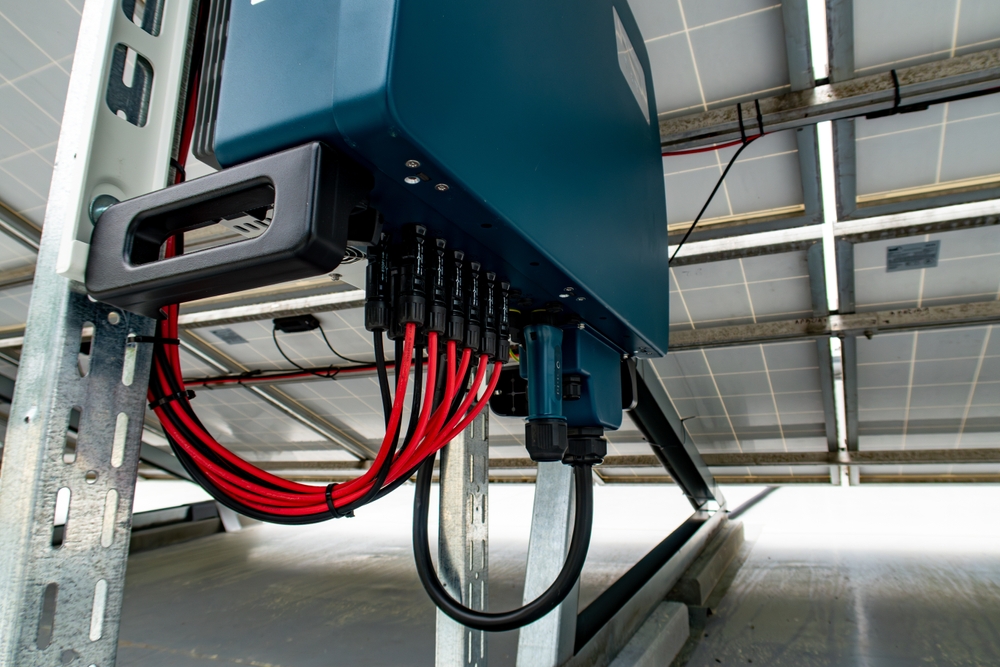
A small warehouse owner in Gujranwala installed a solar energy system hoping to cut electricity bills. The panels looked flawless, sunlight was strong, yet the inverter showed frequent warnings. Output dipped every afternoon.
The issue was not the solar panels. It was the solar panel wire. Normal electrical wiring had been used instead of proper DC solar cables in Pakistan. Heat exposure weakened insulation, voltage dropped, and faults appeared.
Once the wiring was replaced with proper PV wires, the system stabilized the same day.
Mistakes like these are common. This blog explains the seven solar DC cable installation mistakes you must avoid, along with practical solutions that protect solar efficiency and safety.
What Makes Solar DC Cable Installation So Critical?
Solar wiring carries direct current under constant outdoor exposure. Small installation errors quietly turn into system faults over time.
“The bitterness of poor quality remains long after the sweetness of low price is forgotten.” — Benjamin Franklin
Solar cables decide how safely and efficiently power travels between panels and the solar inverter.
Mistake 1: Using Normal Electrical Wire Instead of Solar DC Cable
Why This Mistake Happens
Many installers assume any electrical wire can handle solar DC wiring.
What Actually Goes Wrong
Normal wiring lacks UV resistance and proper insulation for DC flow. Over time, insulation cracks, leading to short circuits and power loss.
The Right Solution
Always use certified solar cables designed for outdoor DC use. Proper DC cable selection protects solar efficiency and system lifespan.
Can a normal wire be used for solar DC wiring? The answer is no.
Mistake 2: Choosing the Wrong DC Cable Size
Why Cable Size Matters
Solar cables that are too thin increase resistance. That resistance turns power into heat.
What Happens When Size Is Wrong
- Voltage drops increase
- Solar inverter efficiency decreases
- Heat stress damages insulation
The Right Solution
Follow proper solar cables installation steps and calculate cable size based on distance, current load, and system voltage. Correct sizing protects output and wiring safety.
Mistake 3: Ignoring Solar DC Cable Standards
Why Standards Are Skipped
Some installers rush projects or cut costs by skipping certified materials.
The Hidden Damage
Ignoring solar DC cable standards leads to faster insulation breakdown, poor voltage control, and frequent solar system faults.
The Right Solution
Use cables tested for DC voltage, heat tolerance, and outdoor exposure. Certified cables improve long-term stability across electrical power cables in Pakistan.
DID YOU KNOW?
Solar systems that follow proper DC cable standards experience fewer inverter shutdowns during peak summer hours, especially in high-temperature regions of Pakistan.
Mistake 4: Poor Routing of Solar Panel Wire
Why Routing Gets Overlooked
Cables are often treated as secondary once panels are mounted.
What Goes Wrong
- Sharp edges damage insulation
- Heat traps increase cable stress
- Loose routing invites wear
The Right Solution
Route solar panel wire away from sharp surfaces, allow ventilation, and secure cables firmly. Clean routing supports solar efficiency and long-term safety.
Mistake 5: Weak or Loose DC Cable Connections
Why Loose Connections Are Dangerous
Even high-quality solar cables fail when connections loosen.
What Happens Next
Loose joints cause arcing, heat buildup, and inverter faults. Over time, these issues escalate into serious safety hazards.
The Right Solution
Tighten and test all DC cable joints during installation. Proper connections protect solar inverter performance and system safety.
“Safety doesn’t happen by accident.” — Jerry Smith
Mistake 6: Mixing AC and DC Cable Types
Why This Mistake Occurs
Some installers assume AC and DC cables behave the same.
What Actually Happens
AC cables lack insulation strength for constant DC flow. This leads to overheating and insulation failure.
Are solar DC cables different from AC cables?
Yes, they are designed for completely different electrical behavior.
The Right Solution
Use only DC-rated solar cables between panels and inverter input. AC cables belong strictly after the inverter.
Mistake 7: Ignoring Safety Tips You Must Follow During Installation
Why Safety Is Often Rushed
Deadlines and budget pressure push safety checks aside.
The Hidden Cost
Ignoring safety tips you must follow leads to cable damage, shock risk, and system shutdowns.
The Right Solution
Follow solar wiring safety protocols:
- Turn off power during connections
- Use insulated tools
- Test continuity before system start
Safety protects installers and system owners alike.
DID YOU KNOW?
A significant number of solar system faults originate from wiring errors rather than panel defects, making cable installation one of the most critical stages.
What Happens If the Wrong DC Cable Is Used?
Wrong cable choice leads to:
- Lower solar efficiency
- Frequent inverter warnings
- Increased fire risk
- Shortened system life
This explains what happens if the wrong DC cable is used and why proper selection matters.
Which DC Cable Is Best for Solar Panels?
The best DC cable offers:
- UV-resistant insulation
- Low resistance
- Stable performance under heat
Professionals rely on trusted manufacturers for the best electric power cables in Pakistan, built for solar use.
How These Mistakes Affect Solar Efficiency Long Term
Small wiring mistakes quietly reduce system output year after year. Energy loss accumulates, bills rise, and maintenance costs increase.
Avoiding these errors protects the entire solar energy system.
Why Universal Cables Is Trusted for Solar DC Cables in Pakistan?
Now that you understand the most common solar DC cable installation mistakes, choosing the right manufacturer becomes essential.
Universal Cables stands among leading electric cable manufacturers in Pakistan, delivering solar cables designed for outdoor durability and electrical stability. As Pakistan’s premier selling copper cables since 1978, Universal Cables brings decades of experience into solar wiring solutions.
Their products support residential rooftops, commercial buildings, and industrial solar panels across Pakistan. Contractors trust Universal Cables for electrical power cables in Pakistan that meet safety standards and maintain solar efficiency under real-world conditions.
Selecting Universal Cables means choosing quality, safety, and proven performance.
DID YOU KNOW?
High-quality solar DC cables help maintain stable voltage flow during peak sunlight, protecting both the inverter and connected equipment.
The Final Decision — Will Your Solar System Perform or Struggle?
Solar panels generate power, but cables decide how well that power reaches its destination.
Every mistake discussed here slowly damages efficiency, safety, and system life. Avoiding these errors builds confidence, performance, and peace of mind.
“An ounce of prevention is worth a pound of cure.” — Benjamin Franklin
Strong solar systems begin with correct wiring choices.
FAQs
Q1. Can normal wire be used for solar DC wiring?
No, normal wiring lacks protection for DC flow and outdoor exposure.
Q2. Are solar DC cables different from AC cables?
Yes, DC cables handle constant current and higher heat stress.
Q3. Which DC cable is best for solar panels?
Solar-rated DC cables with UV-resistant insulation.
Q4. What mistakes should be avoided in solar wiring?
Wrong cable size, poor routing, weak connections, and ignored standards.
Q5. Which company supplies solar cables in Pakistan?
Universal Cables is a trusted supplier across Pakistan.
Be sure to check back for more exciting articles on Witanworld!



Leave a Reply