






The fashion industry has always evolved alongside technology, but few segments have experienced transformation as rapidly as the custom shirt industry. What was once a slow, tailor-dependent process has now become a digitally driven experience powered by smart technology, data, and automation. Today, consumers no longer settle for standard sizes or generic designs. They expect personalization, speed, and quality all delivered seamlessly through technology.
At the intersection of style and innovation, smart tech is redefining how custom shirts are designed, produced, and delivered, creating a more efficient, customer-centric, and sustainable industry.
The Shift From Traditional Tailoring to Digital Customization
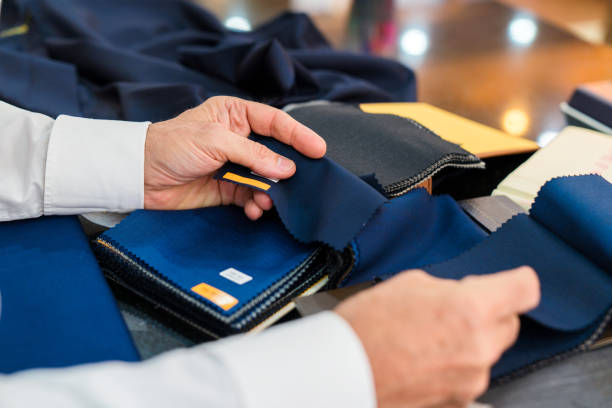
Traditionally, custom shirts required in-person visits, manual measurements, fabric swatches, and multiple fittings. While the craftsmanship was valuable, the process was time-consuming and often limited to local markets. Smart technology has eliminated many of these constraints by bringing customization online.
Digital platforms now allow customers to design custom shirts from anywhere in the world. With intuitive interfaces, users can choose fabrics, colors, collars, cuffs, buttons, and fits within minutes. Advanced visualization tools instantly show how the final shirt will look, bridging the gap between imagination and reality. This shift has not only increased accessibility but also expanded the reach of custom shirt brands globally.
AI and Data-Driven Personalization
Artificial intelligence plays a major role in modern custom shirt experiences. AI-driven recommendation engines analyze customer preferences, body data, and past purchases to suggest designs and fits that match individual tastes. Instead of overwhelming users with endless options, technology simplifies decision-making while maintaining personalization.
Machine learning algorithms also improve sizing accuracy. By analyzing millions of data points, AI can predict the best fit based on height, weight, posture, and body shape. This significantly reduces sizing errors, returns, and customer dissatisfaction, an issue that has long challenged the apparel industry.
Over time, the system learns and evolves, refining recommendations and improving accuracy with each interaction. The result is a smarter, more personalized shopping experience that feels tailor-made in every sense.
Smart Measurement Technologies Redefining Fit
One of the biggest barriers to online custom shirts has always been accurate measurement. Smart tech has addressed this challenge through innovative solutions such as computer vision, smartphone-based scanning, and body-mapping technologies.
Using a smartphone camera, customers can now capture images or short videos that are processed by AI to generate precise body measurements. These technologies remove the need for measuring tapes or physical fittings while delivering results that rival professional tailors.
Some platforms even integrate posture and movement analysis, ensuring shirts fit naturally rather than rigidly. This focus on comfort and precision is reshaping customer expectations and setting new standards for fit quality.
Automation and Smart Manufacturing
Behind the scenes, smart manufacturing is transforming how custom shirts are produced. Automation, robotics, and digitally controlled cutting machines allow manufacturers to produce made-to-order garments with remarkable speed and consistency.
Instead of mass-producing standard sizes, factories now operate on demand. Each custom shirt order triggers a unique production workflow, reducing waste and inventory costs. Smart systems ensure that fabric cutting, stitching, and finishing are optimized for precision, minimizing human error.
This technology-driven approach enables brands to scale customization without sacrificing quality, making personalized fashion commercially viable on a large scale.
The Role of Cloud Technology and Integrated Platforms
Cloud-based systems act as the backbone of the modern custom shirt industry. From design and order management to production and logistics, everything is connected through integrated platforms.
When a customer places an order, the data flows instantly to manufacturing units, supply chain partners, and delivery services. Real-time tracking allows brands and customers to monitor progress at every stage, increasing transparency and trust.
Cloud technology also supports global collaboration, allowing designers, manufacturers, and marketers to work together seamlessly across different regions. This level of integration was nearly impossible in traditional apparel models.
Enhancing Customer Experience Through Smart Interfaces
Technology has not only improved production but also elevated the customer experience. Virtual try-ons, augmented reality previews, and 3D modeling allow customers to see how a custom shirt will look and fit before placing an order.
Interactive design tools make customization engaging rather than overwhelming. Customers feel more involved in the creation process, strengthening emotional connection to the product. This sense of ownership increases satisfaction and brand loyalty.
Chatbots and AI-powered customer support further enhance the experience by providing instant assistance, design suggestions, and order updates, ensuring smooth communication throughout the customer journey.
Sustainability Through Smart Innovation
Sustainability has become a critical concern in fashion, and smart technology is helping the custom shirt industry address it effectively. Made-to-order production significantly reduces excess inventory and textile waste.
Data-driven demand forecasting ensures that materials are used efficiently, while smart cutting techniques minimize fabric wastage. Some manufacturers are also using technology to track the environmental impact of each garment, from fabric sourcing to delivery.
By aligning customization with sustainability, smart tech is proving that personalized fashion does not have to come at the cost of the environment.
Security, Trust, and Digital Identity in Fashion Tech
As the industry becomes more digital, data security and customer trust are increasingly important. Secure digital platforms protect customer measurements, design preferences, and payment information.
Advanced verification and authentication technologies ensure safe transactions and prevent fraud, especially for global e-commerce operations. This focus on trust allows customers to confidently engage with online custom shirt platforms without privacy concerns.
The Future of the Custom Shirt Industry
The fusion of smart technology and fashion is still evolving. In the future, we can expect even deeper personalization through predictive design, where AI anticipates style trends and individual preferences before customers express them.
Wearable technology and smart fabrics may further transform custom shirts, enabling garments that adapt to temperature, movement, or lifestyle needs. Integration with the metaverse and digital fashion could also allow users to design and showcase custom shirts in virtual environments before ordering physical versions.
What remains constant is the demand for individuality. Technology is not replacing style—it is enhancing it, making custom shirts more accessible, precise, and meaningful than ever before.
Conclusion
Smart tech is revolutionizing the custom shirt industry by blending innovation with craftsmanship. From AI-powered personalization and smart measurements to automated manufacturing and sustainable production, technology is reshaping every stage of the journey.
As consumers continue to seek clothing that reflects their identity, comfort, and values, the combination of smart technology and style will define the future of fashion. The custom shirt is no longer just a garment it is a personalized, tech-enabled experience designed for the modern world.



Leave a Reply