






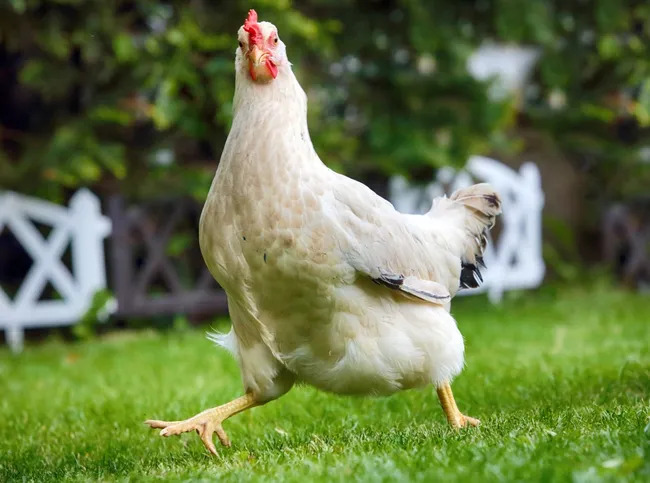
Poultry farming has become one of the most efficient and widespread forms of animal agriculture worldwide, producing billions of eggs and tons of meat annually. The success of any poultry operation hinges on understanding and meeting the specific nutritional needs of these birds. Unlike other livestock, poultry have remarkably fast growth rates and high metabolic demands, which means their animal feed must be precisely formulated to support rapid development, egg production, and overall health. Chickens, turkeys, ducks, and other domestic fowl have evolved unique digestive systems and metabolic processes that require carefully balanced nutrition. Getting their diet right isn’t just about keeping birds alive—it’s about optimizing their performance, ensuring food safety, and maintaining economic viability for farmers.
High Protein Requirements for Growth and Production
Poultry have significantly higher protein requirements compared to many other farm animals. Broiler chickens (raised for meat) need approximately 18-23% protein in their diet during the growth phase, while laying hens require around 16-18% protein to maintain egg production. These protein needs are particularly critical because poultry grow extraordinarily fast—a broiler chicken can reach market weight in just six to seven weeks.
The protein must also contain the right balance of essential amino acids, particularly lysine, methionine, and threonine. These amino acids are the building blocks for muscle development in meat birds and for albumin production in eggs. Deficiencies in any essential amino acid can create a bottleneck effect, limiting the bird’s ability to utilize other nutrients effectively.
Energy-Dense Diets for High Metabolism
Poultry have one of the highest metabolic rates among farm animals, with body temperatures around 106°F (41°C). This elevated metabolism requires energy-dense feed to fuel their bodily functions, growth, and production. Corn and wheat are common energy sources in chicken feed formulations, providing the carbohydrates and fats necessary to meet these demands.
The energy requirements vary depending on the bird’s purpose and life stage. Growing broilers need approximately 3,000-3,200 kilocalories of metabolizable energy per kilogram of feed, while laying hens require slightly less but need sustained energy to produce eggs consistently. Fat supplementation is often used to increase energy density, particularly in colder climates where birds need additional calories to maintain body temperature.
Essential Vitamins and Their Critical Roles
Poultry require a comprehensive array of vitamins, and deficiencies can quickly lead to production problems or health issues. Vitamin A is crucial for vision, immune function, and maintaining healthy epithelial tissues. Vitamin D3 is essential for calcium absorption and bone development—particularly important for layers producing calcium-rich eggshells.
The B-complex vitamins play vital roles in metabolism and energy production. Riboflavin deficiency, for instance, can cause “curled toe paralysis” in young chicks, while niacin is necessary for proper feathering and growth. Vitamin E works as an antioxidant and supports immune function, often working synergistically with selenium.
Because poultry cannot synthesize most vitamins in sufficient quantities, these must be provided through their feed in carefully measured amounts. Modern chicken feed formulations include premixes that ensure birds receive adequate vitamins throughout their production cycle.
Mineral Requirements: More Than Just Calcium
While calcium is perhaps the most discussed mineral in poultry nutrition—especially for laying hens who need substantial amounts to produce strong eggshells—poultry require a complex mineral profile. Laying hens need approximately 3.5-4% calcium in their diet, significantly more than meat birds.
Phosphorus works alongside calcium for bone development and must be provided in the correct ratio (typically 2:1, calcium to phosphorus). However, much of the phosphorus in plant-based ingredients is bound in phytate form, which poultry cannot digest efficiently. Modern feed formulations often include phytase enzymes to release this bound phosphorus, improving utilization and reducing environmental phosphorus excretion.
Trace minerals including zinc, copper, manganese, iron, iodine, and selenium are required in small amounts but are absolutely essential. Zinc supports immune function and skin health, selenium works with vitamin E as an antioxidant, and manganese is crucial for bone formation and eggshell quality.
The Unique Digestive System Considerations
Poultry lack teeth and have a unique digestive system that influences their nutritional needs. Food travels quickly through their digestive tract—a chicken can digest a meal in approximately four hours. This rapid transit means nutrients must be in readily available forms, and feed must be formulated for quick digestion and absorption.
Birds have a crop for food storage, a proventriculus (true stomach) for chemical digestion, and a gizzard that grinds feed mechanically. The presence of grit or the physical form of feed (mash, crumbles, or pellets) can affect how efficiently birds extract nutrients. Pelleted feeds generally improve feed conversion ratios because they reduce ingredient separation and wastage.
The poultry intestinal tract is relatively short compared to body size, which means fiber content must be carefully managed. Too much fiber reduces nutrient density and digestibility, while some fiber is necessary for gut health and proper gizzard function.
Life Stage and Purpose-Specific Nutrition
One of the most unique aspects of poultry nutrition is how dramatically requirements change based on the bird’s age and purpose. Chicks require starter feeds with the highest protein levels and smaller particle sizes for their developing digestive systems. Grower feeds transition birds toward their production phase with adjusted nutrient profiles, and finisher feeds optimize final growth or prepare hens for egg production.
Layer feeds are specifically formulated with extra calcium for shell production, while broiler feeds emphasize rapid muscle development. Breeder birds—those producing fertile eggs for hatching—have yet another nutritional profile that balances their own maintenance needs with producing viable offspring.
Water: The Forgotten Nutrient
Though often overlooked, water is arguably the most critical nutrient for poultry. Birds consume approximately twice as much water as feed by weight, and even mild dehydration dramatically reduces feed intake and production. Water quality—including mineral content, bacterial load, and temperature—significantly impacts bird health and performance.
Conclusion
The nutritional requirements of poultry are remarkably complex and specific, reflecting their unique physiology, rapid growth rates, and diverse production purposes. Successful poultry nutrition demands precise formulation that balances protein, energy, vitamins, minerals, and other nutrients while considering the bird’s age, purpose, and environmental conditions. Understanding these requirements allows producers to maximize bird health, optimize production efficiency, and ensure the quality of poultry products reaching consumers. As research continues to refine our understanding of avian nutrition, feed formulations become increasingly sophisticated, supporting the poultry industry’s role in global food security.



Leave a Reply