






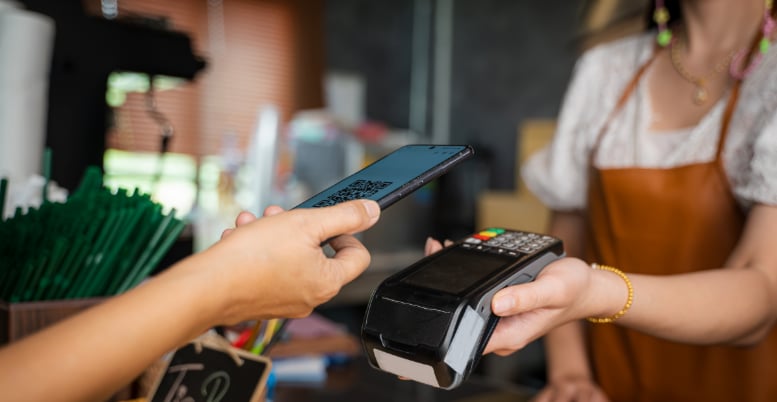
In this era, where the digital world is highly dominated in all aspects, be it on commercial level or personal. If we talk about digital payments, then digital wallets, mobile payment apps, tap-to-pay cards, phone payments are the only ones that have evolved very well and are still being a solid rock for businesses, especially when human connection, accessibility, and dependability are vital. In this descriptive article, let’s explore profoundly why phone payments are still relevant and reliable for most of the industries today, and also, how modern businesses can incorporate phone payments for a smoother process.
The Evolution in Phone Payments Definition in 2025 —
Phone payments have always meant customers calling for a business in order to provide card details to an executive, and getting the payment processing manually. But, in 2025, the categories that are included:
- Traditional call-in payments, often utilized for sales in remote locations, donations, or various billing issues.
- In-app payments through smartphone and payment links that are sent over SMS/WhatsApp
- Soft POS (aka Tap-to-phone), where the smartphone becomes safe card readers for any kind of in-person transactions.
- The payments that are done through voice assistance, also known as voice-activated payments, for instance, “Hey Siri, pay my phone bill,” with the proper build of authentication in voice assistants.
Therefore, phone payments can range from completely manual, staff-assisted transactions in order to voice-and-tap powered automated experiences, all are leveraged by phone devices.
Challenges to broad adoption
There are several obstacles to the broad acceptance of digital payments:
Safety and confidentiality:
The security of digital payments is a primary concern. Consumers might be concerned about data leaks, scams, and the protection of their financial data within a digital wallet. Some individuals are reluctant to disclose their credit card or banking information to a mobile payment service or retailer.
Advancements in technology for biometric authentication have aided in addressing security concerns. Users are beginning to notice the elimination of PINs, which are being substituted by facial and voice recognition systems. This additional layer enhances the security of the login process, potentially boosting user adoption.
Merchant approval:
To achieve widespread adoption of digital payments, every business—whether small enterprises or gig economy freelancers—needs to be capable of accepting them. This entails incorporating digital payment systems across every device, both at the merchant side and on user devices. The acceptance of digital payments universally leads to better interoperability, less friction, and greater user convenience and value.
Disparity in digital access:
A major hurdle to the extensive use of digital payments is closing the digital gap. Not everyone has access to smartphones or high-speed internet, especially in rural or less-developed regions. Insufficient digital skills may also hinder adoption. The future of digital payments will depend on effective integration within global economies, along with addressing users’ needs through digital literacy and technology access.
A significant recent example is China’s transition from a cash-based economy. As of 2019, Chinese tech giants WeChat and AliPay dominated a $17 trillion mobile payments sector, moving the economy away from cash for both digital transactions and physical products. This was effective due to the extensive utilization of bank accounts and smartphones, though the uptake of digital payments in rural regions remains behind.
In what ways can mobile payments be beneficial?
Embracing these mobile solutions allows your business to reach a wider customer base that increasingly favors mobile payments. Using mobile payments simplifies the checkout process for customers, ensuring they have a positive perception of your business. Ultimately, especially with a younger demographic of customers anticipating contemporary technology, businesses must not only adapt but also gain advantages by engaging with their clients in their preferred spaces.
Ultimately, this ensures that your operations are prepared for when these mobile solutions turn into the main method for processing payments. Rather than waiting until the last moment to enhance your payment systems, you can take advantage of contemporary merchant services that will tackle the challenges of evolving times.
Use Card Readers to Convert Mobile Devices into POS Systems —
The information above highlights the significance of contemporary payment terminals, such as mobile POS systems that enhance traditional POS terminals. But what if your company offers its services in the field? That’s where you can utilize mobile payment systems. Numerous solutions exist that connect to current smartphones and tablets, like the Stax Swipe Simple B250 Reader, to effectively address this issue.
Certain mobile card readers connect to contemporary smartphones or tablets, transforming them into payment card processors, while others function independently as standalone devices. This indicates that these small devices can operate wherever your customers are or wherever your services are accessible. A self-contained mobile point-of-sale solution, like the Clover Flex or Dejavoo QD Series, serves as excellent choices for exclusive mobile payment processing.
Providing mobile payment solutions is achievable for both small businesses and large corporations. These portable solutions work with Apple, Android, and other smartphones, offering complete capabilities required for processing payments on-site.
Incorporate Peer-to-Peer Transactions —
A rising trend in mobile payments is the utilization of apps like PayPal and Venmo for purposes beyond just peer-to-peer transactions. Numerous companies, especially small ones, are adopting mobile payment applications to enable their customers to leave physical cards at home and make payments straight from their Venmo, Cash App, or PayPal accounts to the merchant, with the money subsequently deposited into the merchant’s bank account. Since the customer already has their bank account, debit card, or credit card linked to the payment application, the transaction can be swiftly finalized within the known payment app environment, providing a smooth user experience.
Although the fee arrangements for this service differ by provider, peer-to-peer (P2P) payments encompass much more than just money transfers among friends. Additionally, there are various authentication methods, including confirming the recipient’s phone number or employing a QR code to ensure that funds are sent to the right account.
Conclusion
Mobile payments might not steal the spotlight in 2025, yet they remain crucial in sectors where trust, accessibility, and service are key. By integrating manual and digital systems, utilizing virtual POS, tap-to-phone, payment links, and automated security, companies can engage each customer in their preferred manner, guaranteeing seamless transactions even in the most intricate situations. Far from being outdated, phone payments are a vital, flourishing resource in the digital-first marketplace.



Leave a Reply