






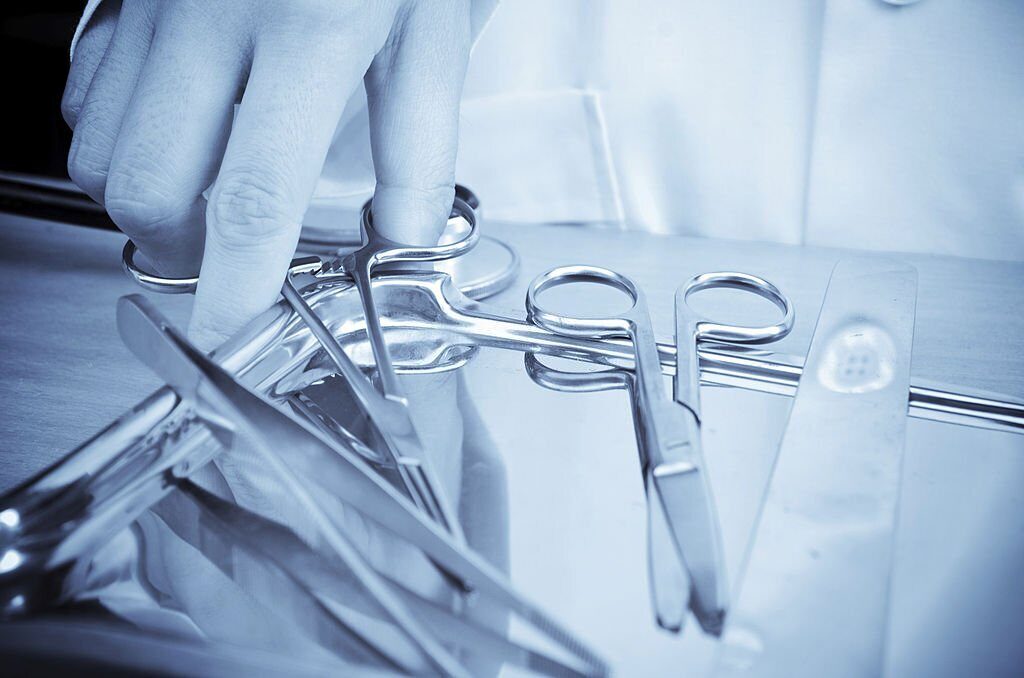
Mayo scissors are among the most relied-upon instruments in surgical environments. Their importance goes beyond simple cutting. In operating rooms, precision is not optional. Every movement must be controlled, deliberate, and safe.
Mayo scissors deliver excellent accuracy through their well-designed, reliable performance. They are designed for soft-tissue dissection, where both strength and control are required.
Mayo surgical scissors, unlike delicate scissors for fine structures, are made for demanding tasks. They enable the surgeon to work confidently with thicker tissues without compromising cutting precision.
From general surgery to orthopedics and complex procedures, these scissors remain recognized for their value. Their longevity, adaptability, and ergonomic balance are why they are the most trusted tools across specialties.
Understanding how Mayo scissors operate and where they are appropriate to use is essential, as it helps surgical teams to choose the best instruments. The right choice will directly affect the flow of work and patient safety.
What Are Mayo Scissors and Why Are They So Popular?
Mayo scissors are surgical instruments used to cut primarily through soft tissues. They are recognized for their strong blades and controlled cutting action. These scissors are commonly used for muscle, fascia, and dense connective tissues. Their design allows consistent cutting without excessive hand pressure.
Mayo surgical scissors typically feature thicker blades than fine dissection scissors. This added strength prevents bending and improves cutting reliability. They are available in straight and curved variations.
Each design supports different surgical needs. Because of their durability, Mayo scissors are frequently used throughout lengthy procedures. They maintain performance even under repeated sterilization cycles.
How Do Mayo Scissors Support Controlled and Accurate Dissection?
Controlled dissection requires stable instruments. Mayo scissors are engineered to provide that stability. Their balanced weight reduces hand fatigue during prolonged use. This helps surgeons maintain accuracy from start to finish.
The blade edges are designed to separate tissue cleanly. This minimizes tearing and unnecessary trauma. Curved Mayo dissecting scissors improve visibility in deeper surgical fields. Straight versions enable precise cutting at the surface.
The combination of these features leads to a workflow that is less interrupted and safer surgical results.
What Distinguishes Mayo Dissecting Scissors from Other Scissors for Dissection?
Not all models of dissection scissors provide the same benefits. Mayo scissors are robust and designed for tough tissues. In addition to that, they can cut fat and join tissues with no scars at all. Thus, they are suitable for both less complicated and more difficult surgeries.
Blades are built to resist dullness throughout the life of the scissors. This ensures consistent performance across repeated procedures. Their firm cutting action improves surgeon confidence. It also reduces the need to switch instruments mid-procedure.
Why Do Surgical Specialties Continue to Rely on Mayo Scissors?
Surgical specialties value reliability. Mayo scissors consistently deliver dependable performance. General surgeons use them for muscle and fascia dissection. Orthopedic teams rely on them for dense connective tissues.
They offer control when working with varying tissue thickness. Their versatility reduces the need for multiple cutting instruments. This improves efficiency in surgical setups.
How Do Straight and Curved Mayo Scissors Serve Different Purposes?
Straight Mayo scissors are commonly used for surface-level tasks. They are ideal for cutting sutures and exposed tissues. Curved Mayo dissecting scissors are designed for deeper dissection. The curved blade follows natural tissue planes.
This design improves access in confined surgical areas. It also enhances visibility during critical steps. Choosing the right blade shape improves control. It also supports safer tissue handling.
How Does Instrument Quality Affect Surgical Precision?
Instrument quality directly affects surgical outcomes. Poor-quality scissors can tear tissue rather than cut it cleanly. High-quality Mayo scissors maintain sharp edges longer. This reduces resistance during cutting.
Correct alignment of the blade ensures smooth operation. This also enhances the precision and uniformity of the results. The long-lasting manufacturing leads to the support of numerous sterilizations as well. This is a must in today’s medical environments.
How Should Mayo Scissors Be Selected for Surgical Use?
Instrument selection should match the procedure type. Dense tissues require stronger scissors. The depth of the surgical field also matters. Curved scissors perform better in deeper areas.
Surgeons should consider hand comfort and balance. Ergonomic design improves long-term performance. Choosing the correct Mayo scissors enhances efficiency. It also reduces unnecessary instrument changes.
Why Mayo Scissors Remain a Long-Term Investment in Surgery
Mayo scissors are built for durability. They withstand demanding surgical conditions. Their versatility allows use across multiple procedures. This makes them a cost-effective choice. Consistent performance reduces replacement frequency. This supports better inventory management.
Reliable instruments contribute to smoother workflows. They also support better patient care.
Conclusion
Mayo scissors still hold a crucial position in achieving precision in surgery. Their unique features, such as precision, balance, and reliable cutting action, set them apart. These tools are reliable for soft-tissue dissection and for the most demanding surgical conditions.
Their availability in straight and curved designs allows surgeons to adapt to different procedural needs. Choosing the right Mayo surgical scissors improves workflow efficiency. It also enhances safety and confidence during procedures.
For surgical teams seeking durability, control, and versatility, Mayo scissors remain an essential part of modern practice.
FAQs
What are Mayo scissors commonly used for?
Mayo scissors are used to cut and dissect soft tissues, muscles, and fascia during surgical procedures.
What is the difference between Mayo scissors and Metzenbaum scissors?
Mayo scissors are stronger and designed for dense tissues, while Metzenbaum scissors are used for delicate dissection.
Are Mayo dissecting scissors suitable for deep tissue work?
Yes, curved Mayo dissecting scissors are designed for deeper, less visible surgical areas.
Should I choose straight or curved Mayo scissors?
Straight scissors are ideal for surface work, while curved scissors provide better access in deeper areas.
How do I maintain Mayo scissors for long-term use?
Proper cleaning, careful handling, and routine sterilization help maintain sharpness and alignment.



Leave a Reply