






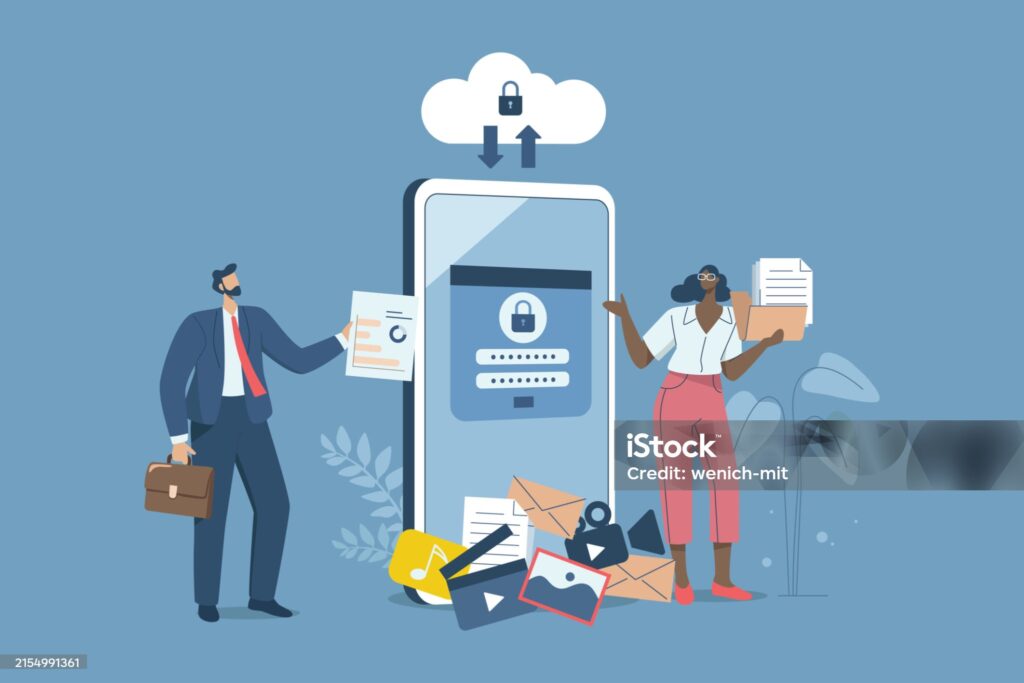
No internet data security has ever been as significant as it is now, based on the heightened use of cloud computing. Cloud systems are convenient and adaptable to video to single files and confidential company information even though they present security threats when not well taken care of. The most common threats that can succeed to the cloud environments are cyberattacks, data breaches and misconfigurations. With the formulated cloud security policies, you will minimize these risks by a large percentage and end up securing your data. The following are the ten tips on which you can successfully secure your information on the Web.
1. Enact Powerful Authentication Procedures.
Strong authentication is one of the finest and the most effective security tips in the cloud. It is so easy to compromise weak passwords and, therefore, it is always better to have complex passwords that may take the form of a combination of letters, numbers and symbols. Another protection benefit is the multi-factor authentication (MFA) which ensures the additional authentication step i.e., the input of the one-time code or the biometric authentication. This will make sure that accessibility is not achievable in case of password infiltration.
2. Encrypt Your Data
The encryption of data is a very important aspect of security of sensitive data on clouds. Encryption retrieves the data and it transforms into an incoherent ciphertext that can only be decrypted using the right decryption key. In order to have your data encrypted make sure that your data is at rest and in transit. In-service encryption is available in most large cloud providers such as Amazon Web Services and Microsoft Azure and it is your responsibility to make sure that they are set up appropriately.
3. Periodically patch and update systems.
The other access point that is most popular to cybercriminals is obsolete software. Applications, operating systems and API are stored in cloud environments and need to be updated. Patches should be done frequently to seal the usual security vulnerabilities and guard against system attacks by malicious individuals. Automatable changes should also be automated in order to have vital patches installed immediately.
4. Independent Control of Access and Permissions.
You will not need to provide unrestrained access to all the users to your cloud resources. It is based on the principle of least privilege according to which the user is provided with the authorization to accomplish his/her work. The benefit of the access privilege restriction is that you will minimize the risk of accidental information leakage or a malicious intent. The user roles should also be periodically checked and the access of the inactive or the former employees should be revoked to provide excellent security management.
5. Tracking and Recording of operations.
The cloud ought to be under continuous surveillance in monitoring suspicious activity. Turn on tracking the activities of users, their attempts to access the system and alterations made on it. The monitoring systems will also alert you to an abnormal activity in real time so that you can take the required measures before it is too late. It is one of the most suitable tips of cloud security that is proactive to detect threats beforehand.
6. Ensures Cloud Implementations.
The weak design of cloud environments is the first cause that leads to the infringement of data. The default settings do not mean what you desire to have as far as the security is concerned. Make changes, customize security policies, e.g. storage permissions, firewall rules, network access policies, and tailor security policies to your needs. Google Cloud Platform and cloud services offer security best practice provisions that are to be adhered to to prevent the pitfalls of configuration errors that are common with other systems.
7. Back Up Your Data Regularly
Despite all the security, data loss may occur because of the human factor, ransomware or systems failure. On-site data backups are also good, as you can access important information in a limited time. Open the store in other branches and visit it to see whether it is functioning well. A good backup policy will reduce loss of information that is irreversible and loss of time.
8. Prevent Ransomware and Malware.
Malware and ransomware attacks cannot avoid cloud environments. Install reliable security systems that include anti-malware, threat detection and anti-virus programs with antivirus capability that are adapted to work on cloud platforms. Such tools must be revised in a way that they are kept in line with the current threats. The other important factor in the prevention of malware infection is training of the users on phishing emails and unsafe downloads.
9. Compliance with Meets and Regulations on Security.
There are security standards and regulations in the industry, which must also be adhered to prevent mistrust and prevent legal problems. It can be each of a set of different standards based on your line of business, e.g. ISO 27001, GDPR, or PCI DSS. The compliance models have the formal rules of the securing of the cloud environments and protecting the sensitive information. Periodical audits will contribute to the increase in continuity regularities and areas of additional improvement.
10. Train insecurity Consciousness.
One of the largest threats of insecurity in the cloud is human error. The technical controls should be accompanied with training of the employees and users on the best practices of cloud security. Educate them on the awareness of phishing attacks, passwords, data accountability. A good security culture will minimize the threat of committing a mistake that will result in breaches.
Conclusion
The benefits of cloud computing are strong yet an intense security policy is necessary to ensure that valuable information is safeguarded. The following ten tips on securing the cloud environment should help minimize the risks to a considerable scale and a safer online environment could be created. Intense authentication and encryption and surveillance, backups, and user education are all applicable measures that can be used to ensure the security of your data in the cloud. The success of cloud security in the long-term perspective is enhanced by being proactive and up-to-date since the cyber threats can only change.



Leave a Reply