






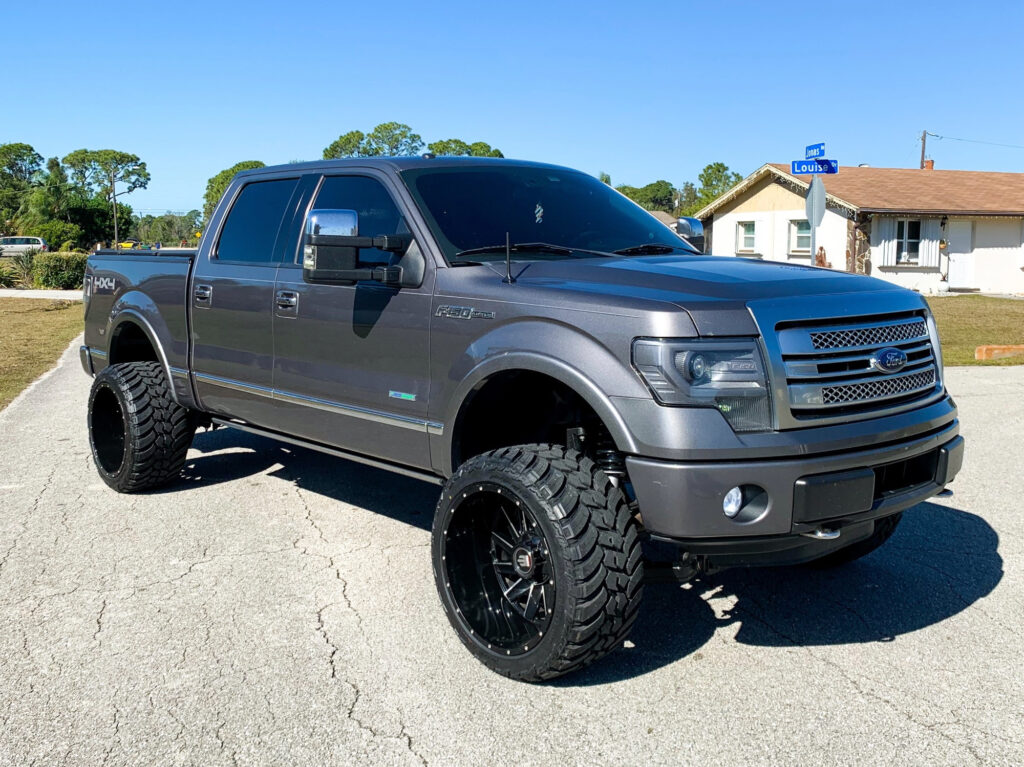
Driving through mud is one of the most challenging off-road experiences. Whether you enjoy weekend trail rides, overlanding adventures, or professional off-road use, the right tires can make the difference between steady progress and getting completely stuck. Mud driving demands specific tire features that go beyond standard all-season or highway tires. Understanding how off-road tires work and what to look for will help you make a smart, long-term investment for both safety and performance.
Why Mud Requires Specialized Off-Road Tires
Mud creates low traction, suction, and resistance that normal tires are not designed to handle. Standard road tires clog easily, losing grip within seconds. Off-road tires for mud driving are engineered with aggressive tread patterns that dig into soft surfaces and self-clean as the wheel rotates. These features allow the tire to maintain traction, even in deep and slippery mud conditions. Without proper tires, mud driving can quickly become frustrating and unsafe.
Understanding Deep Tread and Its Importance
One important factor many drivers also consider is overall cost when upgrading their vehicle for off-road use. High-quality mud and all-terrain tires are an investment, so comparing options, features, and available savings can help you make a smarter decision. Many enthusiasts research tire performance alongside trusted automotive deals and savings opportunities such as VoTech Tires discounts codes, which can make premium off-road upgrades more affordable without compromising on safety or performance.
Mud-Terrain vs All-Terrain Tires
Choosing between mud-terrain (MT) and all-terrain (AT) tires depends on how often you drive in muddy conditions. Mud-terrain tires are designed specifically for extreme off-road use. They feature large, widely spaced lugs and reinforced sidewalls, making them ideal for deep mud, ruts, and uneven surfaces. However, they can be noisy on paved roads.
All-terrain tires, on the other hand, offer a more balanced solution. They perform well on mud, gravel, sand, and asphalt. While they may not be as aggressive as mud-terrain tires, modern all-terrain designs provide excellent traction and comfort for drivers who split their time between highways and trails.
Road Approval: Why It Matters
Many off-road enthusiasts overlook road approval, but it is an essential factor when choosing tires. Road-approved off-road tires comply with safety and legal standards, allowing you to drive confidently on public roads. These tires are tested for braking performance, durability, and stability at highway speeds. Having road-legal tires means you don’t have to change tires before or after off-road trips, saving time and effort while remaining compliant with regulations.
Tire Width and Size Considerations
Tire width plays a significant role in mud performance. Wider tires can provide flotation on softer surfaces, but they may struggle in deep mud where cutting through is more effective. Narrower tires can dig down to firmer ground beneath the mud, improving traction. The right size depends on your vehicle type, suspension setup, and typical driving conditions. Always ensure the tire size matches your vehicle’s specifications to avoid rubbing, steering issues, or reduced performance.
Sidewall Strength and Protection
Mud driving often involves hidden obstacles such as rocks, roots, and debris. Strong sidewalls are essential to protect against punctures and cuts. High-quality off-road tires use reinforced materials that provide extra durability while maintaining flexibility. This added protection is especially important for drivers who venture into remote areas where tire damage can become a serious problem.
Self-Cleaning Tread Technology
One of the biggest challenges in mud is tread clogging. When mud fills the grooves, traction disappears. Modern off-road tires are designed with self-cleaning tread patterns that eject mud as the tire rotates. This feature helps maintain consistent grip and improves vehicle control. Deep voids between tread blocks play a key role in keeping the tire functional in wet and muddy terrain.
Noise and Comfort on the Road
While off-road performance is important, many drivers still use their vehicles for daily commuting. Aggressive mud tires can generate road noise and vibrations. If comfort matters to you, consider road-approved off-road tires that are designed to reduce noise without sacrificing traction. Advanced rubber compounds and optimized tread designs help balance off-road capability with on-road comfort.
Durability and Tread Life
Mud driving puts significant stress on tires, so durability is essential. High-quality off-road tires are built with tough rubber compounds that resist wear and tearing. While mud-terrain tires may wear faster on asphalt, choosing a reputable design ensures longer tread life and consistent performance. Rotating tires regularly and maintaining proper air pressure will also extend their lifespan.
Weather and Seasonal Factors
Mud conditions vary depending on climate and season. Wet clay, loose soil, and muddy snow each require different traction characteristics. Some off-road tires are optimized for specific environments, while others are designed to perform across multiple terrains. If you drive year-round, look for all-terrain off-road tires that offer reliable performance in mud, rain, and light snow.
Making the Right Choice
Selecting the right off-road tires for mud driving requires balancing performance, legality, comfort, and durability. A trusted source like reifen-4×4.de provides valuable insights into off-road tires for mud and all-terrain use, including options with deep tread and road approval. By understanding your driving habits and terrain needs, you can confidently choose tires that enhance safety, control, and enjoyment on every off-road adventure.
Final Thoughts
Off-road mud driving is demanding, but the right tires can transform your experience. Deep tread, strong sidewalls, self-cleaning patterns, and road approval are all key factors to consider. Investing in high-quality off-road tires ensures better traction, improved safety, and long-term reliability. Whether you’re tackling muddy trails or navigating mixed terrain, choosing the right tires will help you drive with confidence and control.



Leave a Reply