






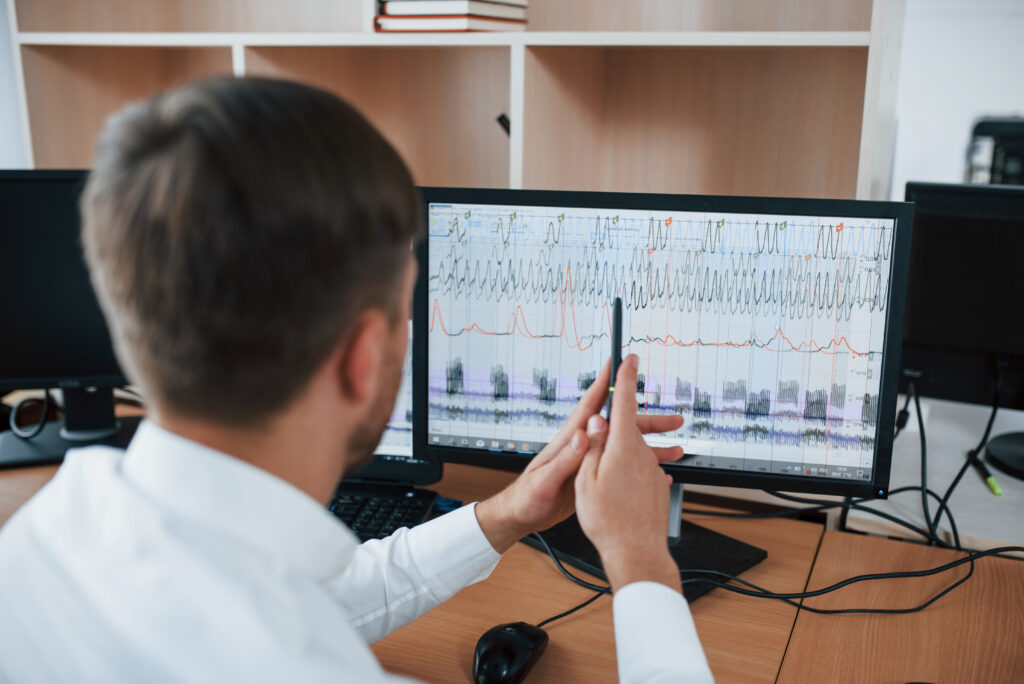
Managing noise levels is an important consideration across many Australian industries, from construction and mining to manufacturing and urban development. Whether ensuring workplace safety, meeting environmental regulations, or reducing community impact, understanding how noise is measured is essential. In many situations, noise monitoring equipment plays a critical role in collecting accurate data and supporting compliance. Two commonly used tools are noise monitoring systems and sound level meters, but while they may seem similar, they serve different purposes.
This article explains the key differences between noise monitoring and sound level meters, helping you understand when and why each is used.
Differences Between Noise Monitoring and Sound Level Meters
Although both tools measure sound, they differ significantly in how they operate, the type of data they collect, and the situations they are best suited for.
What Is Noise Monitoring?
Noise monitoring refers to the continuous or long-term measurement of sound levels over an extended period. These systems are typically installed at a fixed location and collect data around the clock or during defined timeframes.
Noise monitoring is often used when it is important to understand how sound levels change over time. This might include tracking environmental noise near residential areas, monitoring industrial sites, or assessing noise exposure across a work shift. Data is logged automatically, allowing trends, peaks, and patterns to be analysed later.
In Australia, noise monitoring is commonly used to support compliance with environmental guidelines, workplace health and safety requirements, and local council regulations. Because it captures data continuously, it provides a more complete picture of noise exposure than short, manual measurements.
What Is a Sound Level Meter?
A sound level meter is a handheld device designed for taking instant or short-duration noise measurements. It is typically used by an operator to measure sound pressure levels at a specific point in time.
Sound level meters are ideal for spot checks, inspections, or investigations where immediate readings are required. For example, they may be used to measure the noise produced by a single piece of machinery, assess a loud event, or confirm whether a specific activity exceeds acceptable limits.
Unlike noise monitoring systems, sound level meters do not usually record long-term data unless operated continuously by a user. Their strength lies in flexibility and portability rather than ongoing measurement.
Duration of Measurement
One of the biggest differences between the two is how long they measure noise.
Noise monitoring systems are designed for long-term data collection. They can operate continuously for days, weeks, or even months, providing detailed insight into how noise levels fluctuate over time. This makes them especially useful when assessing cumulative exposure or recurring noise issues.
Sound level meters, on the other hand, are generally used for short-term measurements. They provide immediate readings but may not capture variations that occur outside the measurement window. This means important noise events could be missed if they happen when measurements are not being taken.
Data Collection and Analysis
Noise monitoring systems automatically log data and often store large volumes of information. This allows for detailed analysis, including identifying trends, peak noise periods, and compliance with threshold limits over time.
Sound level meters usually display real-time readings and may store limited data depending on the model. While this is sufficient for many tasks, it does not offer the same depth of analysis as long-term monitoring.
For projects requiring evidence over time, such as environmental assessments or workplace exposure reviews, noise monitoring offers a clearer and more defensible dataset.
Accuracy and Context
Both tools can provide accurate sound measurements when used correctly, but context is key.
Noise monitoring systems offer contextual data by capturing how sound levels vary throughout different times of day, weather conditions, or operational cycles. This helps decision-makers understand not just how loud something is, but when and why noise occurs.
Sound level meters provide precise readings at the moment of measurement, but without context, these readings may not represent typical conditions. They are best used for targeted assessments rather than broad analysis.
Typical Applications
Noise monitoring is commonly used in situations where long-term exposure or environmental impact is a concern. This includes construction projects near residential areas, mining operations, transport corridors, and industrial facilities.
Sound level meters are often used for inspections, troubleshooting, and compliance checks. They are practical tools for quick assessments, verifying noise levels on site, or responding to specific complaints.
Each tool has its place, and in many cases, they complement each other rather than compete.
Compliance and Reporting
In Australia, noise-related regulations often require documented evidence of compliance over time. Noise monitoring systems make it easier to meet these requirements by providing continuous records that can be reviewed and reported as needed.
Sound level meters can still support compliance, particularly when regulations specify maximum noise levels at a given moment. However, they may not satisfy requirements that call for ongoing monitoring or trend analysis.
Understanding regulatory expectations is essential when choosing between these tools.
Which Option Is Right?
The choice between noise monitoring and sound level meters depends on the purpose of measurement. If you need long-term data, trend analysis, or proof of compliance over time, noise monitoring is generally the better option. If you require quick, portable, and immediate readings, a sound level meter is often sufficient.
In many scenarios, using both tools together provides the most complete understanding of noise impacts.
Final Thoughts
Noise monitoring and sound level meters both play important roles in managing sound levels, but they are designed for different tasks. Noise monitoring focuses on long-term, continuous data collection, while sound level meters are best suited for short-term, on-the-spot measurements.
By understanding the differences between these tools, Australian businesses and project managers can make informed decisions, improve noise management strategies, and support compliance with relevant guidelines. Choosing the right approach ensures better outcomes for workplaces, communities, and the environment.



Leave a Reply