






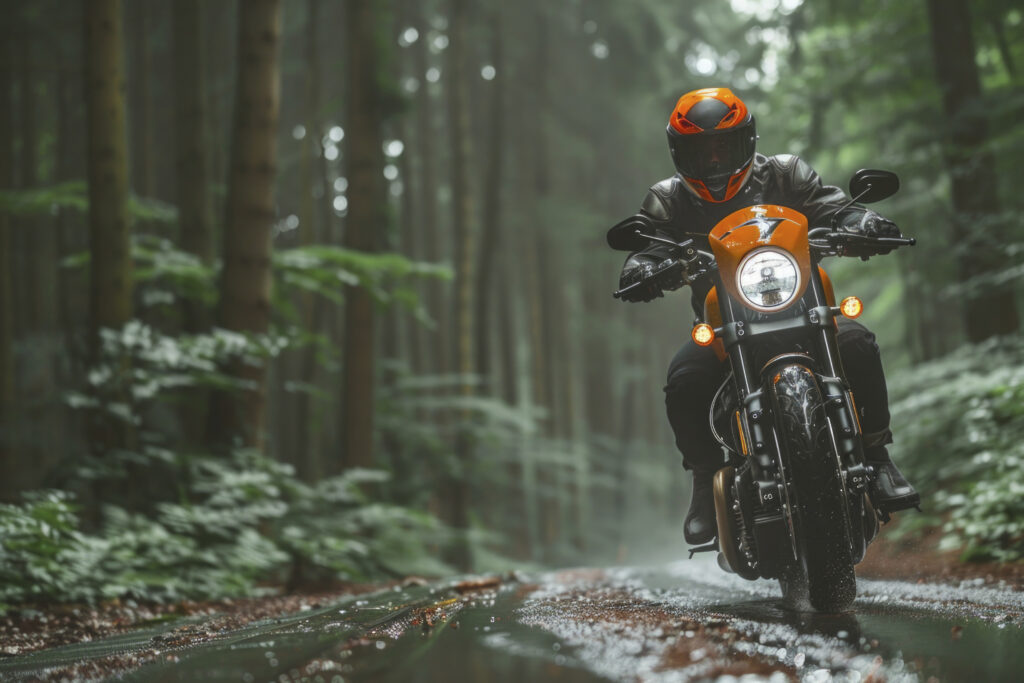
Riding a motorcycle offers an unparalleled sense of freedom, but that freedom comes with the responsibility of handling various weather conditions. While Dubai is famous for its sunshine, occasional heavy downpours can turn the city’s high-speed arteries into challenging environments for bikers. For those who have recently secured their wheels, understanding the physics of wet-weather riding is essential for staying safe and confident on the road.
Rain changes the relationship between your tyres and the tarmac. It demands a shift in mindset—from aggressive or proactive riding to a more fluid, defensive approach. Whether you are a daily commuter or a weekend tourer, mastering the art of riding in the rain is about more than just staying dry; it is about maintaining control when the elements are working against you. This guide explores the critical adjustments every rider needs to make when the clouds turn grey.
1. Smoothness is Your Greatest Ally
The golden rule of wet-weather riding is to make every input as smooth as silk. Sudden movements are the primary cause of lost traction on wet roads. Whether you are accelerating, braking, or leaning into a corner, your actions should be gradual and deliberate. Abruptly snapping the throttle open or slamming on the brakes can easily overcome the limited grip available, leading to a slide that is difficult to recover from.
To achieve this smoothness, you should imagine there is an egg between your hand and the controls. Increasing your following distance allows you the time and space to apply the brakes gently rather than reacting sharply to the vehicle in front. This proactive approach is a core component of high-quality driving lessons in Dubai, where instructors emphasise that “smooth is fast” and, more importantly, “smooth is safe.” By being gentle with your inputs, you keep the bike’s suspension settled and the tyres planted.
2. Reading the Road Surface
When rain first starts to fall, it mixes with the accumulated oil, dust, and rubber deposits on the road, creating a treacherous, slick film. This “first-flush” period is often more dangerous than a heavy downpour that eventually washes the grime away. As a rider, you must become an expert at spotting “rainbow” patches on the tarmac, which indicate oil spills, and avoiding painted road markings, such as zebra crossings and lane dividers, which become incredibly slippery when wet.
In addition to oil and paint, you should be wary of metal surfaces like manhole covers and expansion joints on bridges. These surfaces offer almost zero grip in the wet. If you must ride over them, try to do so while the bike is completely upright and avoid any braking or accelerating until you are back on the tarmac. Learning to read these environmental hazards is a skill often honed while preparing for a motorcycle license in UAE, where riders are taught to anticipate road surface changes before they reach them.
3. Adjusting Your Lean Angle
In dry conditions, you might be used to leaning the bike over confidently through turns. In the rain, however, you should aim to keep the motorcycle as upright as possible. The more you lean, the smaller the contact patch of your tyre becomes, and the higher the risk of the wheels sliding out from under you. To compensate for this, riders often use “body steering” or leaning their upper body into the turn while keeping the bike relatively vertical.
This technique allows you to navigate corners at a reasonable speed without overtaxing the available grip of the tyres. You should also complete all of your braking while the bike is still in a straight line before entering the turn. Coasting through the corner with a neutral throttle helps maintain stability. By reducing your lean angle, you provide yourself with a much larger margin for error if you encounter a patch of standing water or a slick spot mid-turn.
4. The Importance of Proper Gear
Staying dry is not just about comfort; it is about safety. When you get wet, you get cold, and when you get cold, your reaction times slow down and your muscles stiffen. A shivering rider is a distracted rider. Investing in a high-quality, one-piece or two-piece waterproof suit is essential. Ensure that your gear has reflective piping or high-visibility colours, as visibility drops significantly for car drivers during a rainstorm.
Beyond the suit, your helmet choice is vital. A fogged-up visor is a major hazard. Using a Pinlock insert or an anti-fog spray can prevent your breath from obscuring your vision. Waterproof gloves and boots are also mandatory; if your hands are numb from the cold rain, you lose the tactile feedback required to operate the clutch and front brake with precision. Good gear acts as a shield, allowing you to focus entirely on the road rather than your discomfort.
5. Managing Standing Water and Aquaplaning
Aquaplaning occurs when a layer of water builds up between your tyre and the road, causing the bike to lose steering response. To prevent this, you should avoid riding in the “deep” parts of the lane where water tends to collect, such as the ruts worn into the tarmac by heavy trucks. Instead, try to follow the tyre tracks of the vehicle ahead of you, as their tyres have already displaced some of the water, leaving a slightly drier path.
If you do feel the bike start to aquaplane, stay calm. Do not brake or make sudden steering inputs. Keep the throttle steady or ease off very slightly, and keep the bike pointed straight. Once the tyres regain contact with the road, you will feel the grip return. Being aware of the depth of puddles is also crucial, as standing water can hide potholes or debris that could cause a puncture or mechanical failure.
6. Visibility and “Being Seen”
In the rain, your ability to see is diminished, but more importantly, the ability of others to see you is drastically reduced. Car windows fog up, and side mirrors become obscured by droplets. As a motorcyclist, you must assume you are invisible. Use your headlights at all times and consider using your hazard lights if the downpour is particularly heavy and traffic has slowed significantly.
Position yourself in the lane where you are most visible to the driver in front of you—usually in their side mirror’s line of sight. Avoid sitting in blind spots for even a second. Use your indicators much earlier than usual to give surrounding traffic plenty of warning of your intentions. By being hyper-aware of your surroundings and making yourself as conspicuous as possible, you significantly reduce the risk of a multi-vehicle incident during inclement weather.
Riding in the rain doesn’t have to be a stressful experience. With the right techniques, a calm mind, and the proper equipment, you can navigate wet roads with the same level of safety as a dry summer day. It is all about respecting the conditions and adjusting your riding style to match the environment.



Leave a Reply