






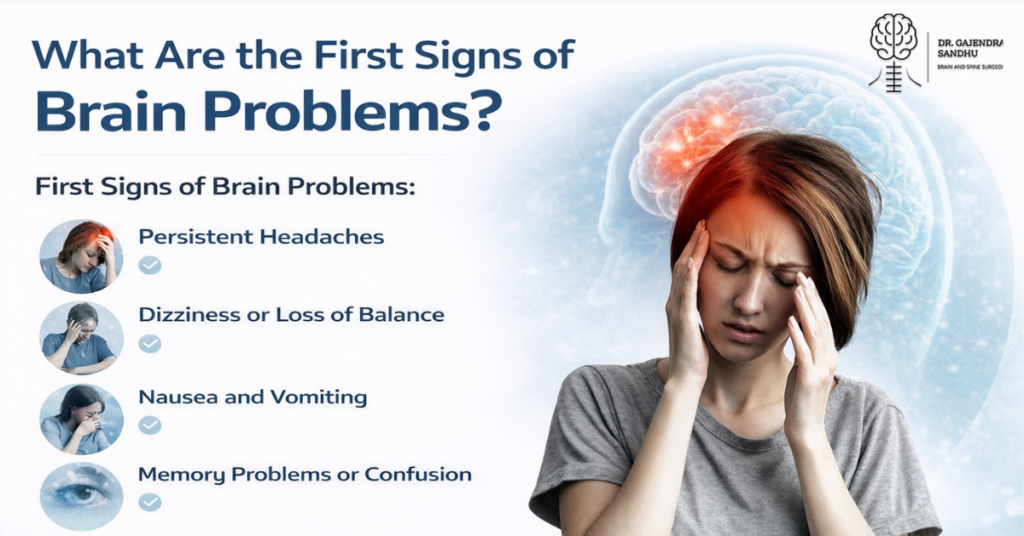
The brain is the control center of the human body. It manages our thoughts, movements, emotions, memory, and vital functions like breathing and heartbeat. Because of this, even small changes in brain function can lead to noticeable symptoms. Unfortunately, many people ignore early warning signs, assuming they are caused by stress, aging, or fatigue.
Understanding the first signs of brain problems is crucial. Early detection can help prevent serious complications, improve treatment outcomes, and in some cases, even save lives. In this blog, we will discuss the early symptoms of brain problems, when to seek medical help, and why consulting an experienced Brain Specialist is important.
Why Early Signs of Brain Problems Should Not Be Ignored
Brain disorders often start with subtle symptoms that gradually worsen over time. Conditions such as brain tumors, stroke, infections, or nerve disorders may initially appear mild but can become severe if left untreated.
Ignoring early brain problem symptoms can lead to:
- Permanent nerve damage
- Loss of speech or movement
- Memory impairment
- Reduced quality of life
- Life-threatening emergencies
Recognizing the signs early and consulting the right doctor can make a significant difference.
Common Early Signs of Brain Problems
1. Frequent or Severe Headaches
Occasional headaches are common, but persistent, worsening, or unusually severe headaches may signal a brain problem.
Warning signs include:
- Headaches that are worse in the morning
- Pain that increases over time
- Headaches accompanied by vomiting or vision problems
- Headaches that do not respond to medication
These symptoms may be linked to increased pressure in the brain, tumors, or bleeding.
2. Changes in Vision
Vision problems are often one of the earliest signs of neurological issues. The brain plays a major role in processing visual information.
Watch out for:
- Blurred or double vision
- Sudden vision loss
- Difficulty focusing
- Seeing flashes or shadows
Such symptoms may indicate optic nerve problems, stroke, or brain tumors.
3. Memory Loss and Confusion
Occasional forgetfulness is normal, but sudden or progressive memory problems are not.
Early signs include:
- Forgetting familiar names or places
- Difficulty concentrating
- Confusion during routine tasks
- Trouble understanding simple instructions
These symptoms may be associated with brain injuries, tumors, infections, or degenerative conditions.
4. Difficulty Speaking or Understanding Speech
Speech and language problems are serious warning signs of brain dysfunction.
You may notice:
- Slurred speech
- Difficulty finding the right words
- Trouble understanding conversations
- Sudden inability to speak clearly
These symptoms can be early indicators of stroke or damage to specific brain areas.
5. Weakness or Numbness in Limbs
The brain controls muscle movement and sensation. Any sudden change should be taken seriously.
Common signs include:
- Weakness on one side of the body
- Numbness or tingling in arms or legs
- Difficulty walking or maintaining balance
- Loss of coordination
These symptoms may point to nerve compression, spinal cord involvement, or brain lesions.
6. Seizures or Fits
A seizure can occur suddenly, even in people with no prior history.
Warning signs may include:
- Sudden jerking movements
- Loss of consciousness
- Staring spells
- Confusion after an episode
Seizures are often associated with brain tumors, infections, head injuries, or abnormal brain activity and require immediate medical evaluation.
7. Changes in Behavior or Personality
Unexpected changes in mood or behavior are often overlooked but can be early signs of brain problems.
These may include:
- Sudden irritability or aggression
- Depression or anxiety without a clear cause
- Personality changes
- Loss of interest in daily activities
Such changes may be linked to frontal lobe disorders or brain injuries.
8. Persistent Dizziness or Balance Issues
Feeling dizzy occasionally is common, but ongoing balance problems can indicate neurological issues.
Be cautious if you experience:
- Frequent dizziness
- Difficulty standing or walking straight
- Feeling off-balance
- Nausea with dizziness
These symptoms may be related to brainstem or cerebellar disorders.
When Should You See a Brain Specialist?
You should seek medical attention immediately if symptoms:
- Appear suddenly
- Worsen over time
- Interfere with daily life
- Occur after head or spinal injury
Early consultation with a brain specialist can prevent complications and ensure timely treatment.
Role of a Brain and Spine Specialist
Brain problems are often connected to spinal and nerve issues. That’s why consulting a brain and spine specialist is highly recommended for accurate diagnosis and comprehensive care.
Importance of Early Diagnosis
Early diagnosis of brain problems can:
- Reduce the need for major surgery
- Improve recovery chances
- Prevent permanent brain damage
- Enhance quality of life
Ignoring early warning signs often leads to delayed treatment and complex complications.
Final Thoughts
Understanding the first signs of brain problems can help you take timely action. Symptoms like persistent headaches, vision changes, memory loss, speech difficulty, seizures, or limb weakness should never be ignored.
If you or your loved one notice any of these warning signs, consult an experienced Brain Specialist in Noida as soon as possible. Dr. Gajendra Singh Sandhu is a trusted name in brain and spine care, known for his expertise, compassionate approach, and commitment to patient well-being.
Early attention can make all the difference—your brain health is worth it.



Leave a Reply