






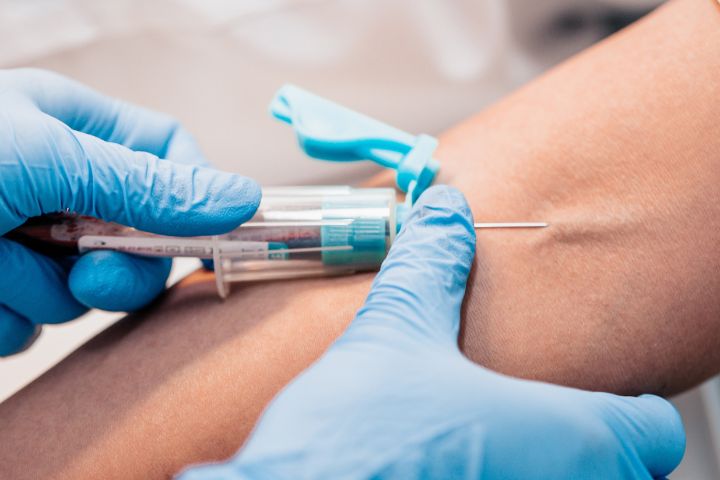
Healthcare careers are often associated with long university degrees and years of study. However, some roles allow individuals to enter the healthcare sector much faster while still making a meaningful impact on patient care. Phlebotomy is one such pathway. With the right training and practical experience, you can begin working in clinical environments and contribute to essential diagnostic services.
Blood testing plays a critical role in diagnosing diseases, monitoring health conditions, and guiding treatment decisions. Because of this, trained professionals who can safely collect blood samples are always in demand across hospitals, clinics, and laboratories.
Completing a Part 1 phlebotomy training course provides the foundational knowledge and practical skills needed to begin this journey. Once trained, several healthcare roles become available, offering opportunities for both immediate employment and long-term career growth.
Below are seven common jobs you can pursue after completing phlebotomy training.
1. Phlebotomist
The most direct career path after training is working as a phlebotomist. This role focuses primarily on collecting blood samples from patients for medical testing.
Phlebotomists typically work in:
- NHS hospitals
- GP surgeries
- Diagnostic laboratories
- Community health clinics
- Private healthcare facilities
Daily responsibilities often include:
- Performing venepuncture procedures
- Identifying suitable veins for blood collection
- Labelling and preparing samples for laboratory testing
- Maintaining patient records
- Following infection control procedures
Phlebotomists play a key role in healthcare because accurate blood collection directly affects diagnostic results.
phlebotomy training london
2. Healthcare Assistant (HCA)
Many individuals begin their healthcare careers as Healthcare Assistants (HCAs) after completing phlebotomy training. HCAs support nurses and doctors with a wide range of patient care duties.
Typical responsibilities include:
- Assisting patients with daily activities
- Taking basic observations such as blood pressure and temperature
- Supporting nurses during clinical procedures
- Preparing equipment for medical examinations
- Assisting with blood sample collection
Having phlebotomy skills can make a candidate more attractive to HCA roles by adding valuable clinical capability.
3. Clinical Support Worker
Clinical support workers assist medical teams in providing patient care in hospitals and clinics. This role is similar to a healthcare assistant but often includes additional responsibilities depending on the department.
Clinical support workers may work in areas such as:
- Outpatient clinics
- Emergency departments
- Surgical wards
- Diagnostic units
Key duties may include:
- Assisting with patient preparation
- Supporting medical staff during procedures
- Collecting and transporting samples
- Maintaining clinical equipment
Phlebotomy knowledge can be particularly useful in departments that frequently perform blood tests.
4. Laboratory Assistant
Laboratory assistants play an important role in diagnostic services. While phlebotomists collect samples, laboratory assistants help process and prepare them for analysis.
Responsibilities often include:
- Receiving and registering samples
- Labelling and organising specimens
- Preparing samples for testing
- Maintaining laboratory equipment
- Following laboratory safety procedures
Individuals who have completed a Part 1 phlebotomy training course already understand sample handling and infection control, which are important skills in laboratory environments.
5. GP Surgery Phlebotomist
General practice surgeries often employ phlebotomists specifically to collect blood samples from patients referred by doctors.
Working in a GP surgery typically involves:
- Performing scheduled blood collection appointments
- Communicating with patients about tests
- Preparing samples for laboratory transport
- Updating electronic patient records
This role often provides a structured working environment with regular hours, making it attractive to many healthcare professionals.
6. Community Phlebotomist
Community phlebotomists travel to different healthcare locations to collect blood samples from patients who may not be able to attend clinics.
These professionals may work in:
- Community health centres
- Care homes
- Patient homes
- Mobile diagnostic units
Their responsibilities may include:
- Performing venepuncture outside hospital environments
- Managing sample transportation
- Communicating with patients and carers
- Ensuring strict infection control practices
Community phlebotomy requires both technical skill and strong communication abilities.
7. Clinical Research Assistant
Clinical research plays a major role in improving healthcare treatments and developing new medical therapies. Clinical research assistants support studies that involve patient testing and sample collection. Get more career tips here.
Responsibilities may include:
- Assisting researchers with study procedures
- Collecting blood samples for research analysis
- Recording patient data
- Ensuring compliance with research protocols
Phlebotomy skills are particularly useful in research environments where blood samples are required for clinical trials and studies.
Skills That Improve Your Job Opportunities
Completing phlebotomy training is the first step, but employers also look for additional professional skills.
Important qualities include:
- Strong communication with patients
- Attention to detail
- Knowledge of infection control
- Good manual dexterity
- Professional behaviour in clinical settings
- Ability to work as part of a healthcare team
Employers value professionals who combine technical ability with excellent patient care.
How Phlebotomy Training Supports Career Growth
Phlebotomy training does more than teach venepuncture techniques. It introduces students to the wider healthcare environment and prepares them for clinical responsibilities.
Training usually covers:
- Anatomy of veins and the circulatory system
- Patient identification procedures
- Infection control standards
- Safe blood collection methods
- Sample labelling and documentation
These skills are transferable across many healthcare roles, making phlebotomy a useful starting point for individuals who want to enter the medical field.
Opportunities for Career Progression
Many healthcare professionals begin their careers in phlebotomy and later move into more advanced roles.
Possible progression paths include:
- Senior phlebotomist
- Laboratory technician
- Nursing training
- Biomedical science
- Healthcare management
Because phlebotomists regularly interact with patients and medical teams, they gain valuable clinical experience that supports long-term career development.
Why Phlebotomy Is a Popular Entry-Level Healthcare Career
Phlebotomy continues to grow in popularity as an entry point into healthcare for several reasons.
Key benefits include:
- Short training period
- High demand for healthcare services
- Opportunities within hospitals and clinics
- Valuable patient interaction experience
- Clear progression pathways
For individuals who want to work in healthcare but prefer a quicker entry route, phlebotomy provides a practical and rewarding option.
Conclusion
Phlebotomy training opens the door to a variety of healthcare roles that support patient care and medical diagnostics. From working directly as a phlebotomist to assisting in laboratories, clinics, or community healthcare settings, trained professionals are valuable members of medical teams.
By completing professional training, developing strong clinical skills, and gaining practical experience, individuals can build a stable and meaningful career in healthcare.
Whether your goal is to work in hospitals, GP surgeries, or diagnostic services, phlebotomy provides a solid starting point for entering the healthcare sector and growing professionally.
FAQs
1. What is the main job after phlebotomy training?
The most common role is phlebotomy, the collection of blood samples in hospitals, clinics, or laboratories.
2. Can phlebotomy training help me work in the NHS?
Yes. Many NHS healthcare roles value phlebotomy skills, especially for entry-level clinical positions.
3. Do I need previous healthcare experience to start phlebotomy training?
No. Many courses are designed for beginners who want to start a healthcare career.
4. Is phlebotomy a good long-term career?
Yes. Phlebotomy can lead to career progression in laboratory science, nursing, and other healthcare professions.
5. Where do trained phlebotomists usually work?
They commonly work in hospitals, GP surgeries, private clinics, diagnostic centres, and community healthcare settings.



Leave a Reply