






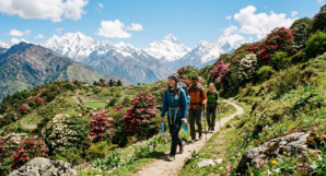
The forests of the Himalayas change dramatically with every season. Winter covers the landscape in snow, monsoon turns the trails slippery, and summer attracts heavy trekking traffic. But spring quietly creates the most balanced and rewarding experience for nature lovers and trekkers.
Between March and May, Himalayan forests wake up from the long winter. Snow begins to melt, flowers start blooming, and wildlife becomes more active. Trails that stayed silent for months suddenly feel alive again.
For trekkers, photographers, and nature enthusiasts, this season offers a perfect combination of pleasant weather, colorful landscapes, and clear mountain views. Many famous Himalayan trails, including the Har Ki Dun and Ranthan Kharak trek, become especially beautiful during spring.
This article explains why spring stands out as the best time to explore Himalayan forests and what makes the experience unique.
The Himalayan Forests Come Alive After Winter
During winter, most Himalayan forests stay quiet under snow. Many plants remain dormant, and wildlife activity reduces due to cold temperatures.
Spring brings a noticeable transformation.
As temperatures slowly rise, trees begin to grow fresh leaves. Alpine flowers start appearing across forest floors and open meadows. Streams flow stronger because melting snow feeds them from higher elevations.
Forests dominated by Rhododendron arboreum turn vibrant red and pink. These flowering trees create natural color corridors along many trekking routes across Uttarakhand and Himachal Pradesh.
According to research from the Forest Survey of India, temperate Himalayan forests show increased biological activity during spring due to rising temperatures and longer daylight hours.
For trekkers walking through these forests, the difference is obvious. The air feels fresher, the ground looks greener, and the forests appear full of life.
Comfortable Weather for Long Forest Treks
Weather plays a huge role in trekking experiences, especially in mountainous regions.
Spring offers some of the most stable trekking conditions in the Himalayas.
Daytime temperatures in mid-altitude forests usually stay between 10°C and 18°C. Nights remain cool but manageable, which makes camping comfortable for most trekkers.
Unlike summer, heat rarely becomes intense inside dense forests. Unlike monsoon, rainfall remains limited. Trails also stay safer compared to winter when snow and ice create difficult conditions.
This balance allows trekkers to walk longer distances without extreme heat, heavy rainfall, or deep snow.
Rhododendron Bloom Creates Stunning Landscapes
One of the most beautiful highlights of spring in Himalayan forests is the blooming of rhododendron trees.
Large areas of forest turn red, pink, and sometimes white when rhododendrons flower. In some regions, entire hillsides look painted with bright colors.
These blooms usually appear between March and April in mid-altitude Himalayan forests.
The Botanical Survey of India identifies the Himalayan rhododendron as one of the most prominent flowering species in temperate mountain forests.
Trekkers often find rhododendron forests along popular trails in Kumaon Himalayas and Garhwal Himalayas.
Walking through these blooming forests feels very different from trekking in other seasons. Colors appear everywhere, birds become active, and the overall atmosphere feels vibrant.
Wildlife Activity Increases in Spring
Spring also marks an important transition period for wildlife in Himalayan forests.
Many animals become more active after winter. Snow melts from lower forest regions, making it easier for wildlife to move and search for food.
Birdwatchers especially enjoy spring treks because migratory birds return to the forests during this time.
Species such as the Himalayan Monal, which is also the state bird of Uttarakhand, often appear in forest areas during early morning hours.
The Wildlife Institute of India notes that seasonal changes strongly influence animal movement patterns in Himalayan ecosystems.
Trekkers moving quietly through forest trails sometimes witness birds, mountain goats, or small mammals during spring journeys.
Clear Mountain Views After Winter
Another advantage of spring trekking involves visibility.
Winter snowfall clears dust from the atmosphere in many Himalayan regions. When temperatures rise in spring, skies often remain clear for long hours during the day.
These conditions allow trekkers to see distant mountain peaks more clearly.
Several trails passing through forest zones eventually open into viewpoints facing famous Himalayan peaks such as Swargarohini and Bandarpunch.
Morning hours usually offer the best visibility. Many trekkers wake up early to watch sunrise over snow-covered peaks.
These clear views add another memorable dimension to spring forest treks.
Spring Treks That Showcase Himalayan Forest Beauty
Several Himalayan treks highlight the beauty of spring forests particularly well. Among them, two routes stand out for their diverse landscapes and rich forest trails.
Har Ki Dun Trek – The Har Ki Dun Trek passes through the remote Govind Pashu Vihar National Park. Spring transforms this valley into a vibrant trekking corridor. Trekkers walk through pine forests, rhododendron trees, and traditional Himalayan villages. Snow still appears in higher sections of the valley, while lower forest areas display fresh greenery.
The valley also offers views of the Swargarohini Peaks, which rise dramatically above the forest landscape.
Because of moderate gradients and scenic diversity, many trekking organizations recommend Har Ki Dun as an excellent spring trek for beginners and experienced hikers alike.
Ranthan Kharak Trek – The Ranthan Kharak Trek provides a quieter experience compared to more famous Himalayan routes. This trek passes through dense oak and rhododendron forests in the Bageshwar District region. During spring, these forests become especially colorful due to rhododendron blooms. The trail gradually climbs toward high-altitude meadows where trekkers see impressive Himalayan peaks such as Nanda Kot and Nanda Devi.
Because fewer trekkers visit this region, the trail often feels peaceful and remote. Spring conditions make the journey more comfortable, as snow usually melts from forest sections while still decorating distant mountain ridges.
Forest Trails Offer a Unique Trekking Experience
Not all Himalayan treks feel the same. High-altitude treks often focus on glaciers, rocky terrain, and alpine landscapes. Forest treks provide a different type of experience. Trails pass through tall oak trees, pine forests, and rhododendron groves. The path stays shaded for long sections, which keeps temperatures comfortable during the day. Sounds of flowing streams, bird calls, and rustling leaves replace the silence of high mountain deserts.
For many trekkers, these forest routes create a deeper connection with the Himalayan environment. Spring enhances this feeling because the ecosystem becomes active again after winter.
Cultural Encounters in Himalayan Villages
Many forest treks in the Himalayas pass through traditional mountain villages. In regions like Osla Village near the Har Ki Dun Valley, local communities continue practicing traditional Himalayan lifestyles.
Spring also marks the beginning of agricultural activity in several villages. Farmers prepare fields, livestock moves toward higher grazing areas, and seasonal markets reopen. Trekkers often interact with villagers, observe local architecture, and learn about traditional Himalayan culture.
These cultural experiences add depth to spring trekking journeys.
Why Spring Creates the Perfect Balance
Every trekking season in the Himalayas has advantages. Winter offers snowy landscapes but harsh temperatures. Summer brings accessibility but also larger crowds. Monsoon turns forests lush but introduces heavy rain and landslides.
Spring sits comfortably between these extremes. Trekkers experience pleasant temperatures, blooming forests, active wildlife, and clear mountain views. Trails remain accessible while still retaining a sense of calm before the busy summer trekking season begins.
For many Himalayan explorers, this balance makes spring the most rewarding time to step into these forests.
Conclusion
Himalayan forests reveal a special side of the mountains that many trekkers overlook. Spring brings these landscapes to life with fresh greenery, colorful rhododendron blooms, and active wildlife. Stable weather conditions make long treks more comfortable, while clear skies reveal dramatic mountain views.
Routes like the Har Ki Dun Trek and Ranthan Kharak Trek show exactly why this season feels so special. For trekkers seeking vibrant forests, peaceful trails, and unforgettable Himalayan scenery, spring offers one of the most rewarding times to explore the mountains. The forests wake up. The trails reopen. And the Himalayas quietly remind visitors why this region remains one of the most fascinating mountain ecosystems on Earth.



Leave a Reply