






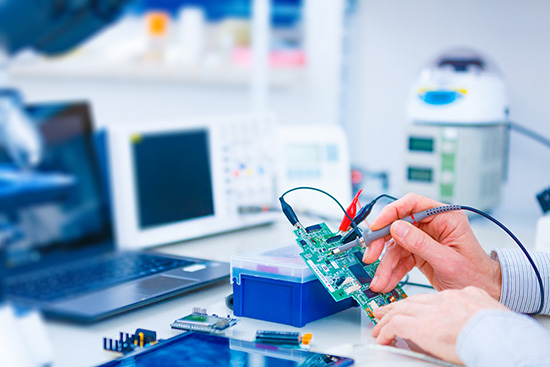
The technology landscape is evolving faster than ever, and businesses across industries are racing to bring innovative electronic products to market. From consumer gadgets and smart home devices to industrial automation systems, medical electronics, and IoT-enabled solutions, the demand for high-quality, reliable, and efficient electronic products is higher than ever.
However, turning a concept into a fully functional electronic device requires far more than creativity. It demands technical expertise, structured development processes, and a deep understanding of hardware engineering, software development, manufacturing, and regulatory compliance. This is where electronic product design services come into play.
In this Article, we’ll explore what electronic product design services include, why they’re essential for companies looking to innovate, how the development process works, and what businesses should expect when seeking support from professional design firms.
What Are Electronic Product Design Services?
Electronic product design services involve the complete process of conceptualizing, engineering, prototyping, and preparing electronic devices for manufacturing. These services may include:
- Product concept development
- Requirement analysis
- Circuit design and simulation
- PCB design and layout
- Component selection
- Firmware development
- Embedded software engineering
- Industrial and enclosure design
- Prototype development
- Testing and validation
- Compliance and certification
- Manufacturing support
Companies offering electronic product design services bring together electrical engineers, embedded developers, industrial designers, and manufacturing experts to create market-ready products.
Whether you’re building a consumer electronic device, a connected gadget, or an industrial-grade solution, these services help you minimize risk, reduce development time, and improve product reliability.
Why Businesses Need Professional Electronic Product Design Services
Designing and developing a modern electronic product is a highly complex process that requires multidisciplinary expertise. Here are key reasons why professional design services are essential:
1. Faster Time to Market
A professional design firm has proven workflows, ready-to-use libraries, engineering expertise, and access to specialized tools that significantly accelerate development. This allows businesses to launch products faster and stay ahead of competitors.
2. Reduced Development Costs
Mistakes in electronic design—especially during later stages like testing or manufacturing—can be extremely expensive. Experienced design teams help avoid these pitfalls through careful planning, simulation, and iterative validation.
3. Access to Specialized Knowledge
Electronic product design services provide access to experts in:
- Embedded systems
- Connectivity technologies (BLE, Wi-Fi, LoRa, LTE, etc.)
- Power management
- Miniaturization
- Sensor integration
- Digital/analog circuit design
This expertise is hard to build in-house, especially for startups and non-tech companies.
4. Seamless Transition from Design to Manufacturing
Manufacturing electronic products requires meticulous design for manufacturability (DFM). Design service providers streamline the process by ensuring the product is ready for efficient large-scale production.
5. Compliance and Certification Support
Electronic devices must comply with industry standards such as:
- FCC
- CE
- RoHS
- UL
- ISO
- Medical or industrial certifications
Professional designers help businesses navigate these complex regulatory requirements.
6. Improved Product Quality and Reliability
From thermal management to EMI/EMC compliance, experts ensure the device operates as expected in real-world conditions—resulting in a more reliable and durable product.
Industries That Benefit from Electronic Product Design Services
Electronic design services support innovation across multiple industries:
- Consumer electronics (smart devices, wearables, gaming accessories)
- Industrial automation (sensors, control boards, monitoring systems)
- Healthcare and medical devices
- Smart home and IoT solutions
- Automotive electronics
- Telecommunications
- Aerospace and defense
- Energy and renewable technology
No matter the sector, electronic product design services help companies build scalable and future-ready solutions.
Stages of the Electronic Product Design Process
Understanding the development life cycle helps companies plan better and collaborate more effectively with design teams. Here’s an overview of the typical stages involved:
1. Product Ideation and Requirement Analysis
This initial phase focuses on:
- Defining the product concept
- Identifying target users
- Understanding technical requirements
- Performing feasibility analysis
- Estimating time and cost
The clearer the requirements, the smoother the rest of the process.
2. System Architecture and Component Selection
In this stage, engineers outline the entire system architecture, including:
- Sensor and component selection
- Microcontroller or processor choice
- Connectivity modules
- Power supply design
- Mechanical constraints
Choosing the right components is critical for cost, performance, and longevity.
3. Circuit Design and PCB Layout
This includes designing schematics, simulating circuit behavior, and creating PCB layouts that fit within the product’s physical constraints while ensuring optimal performance.
Key considerations include:
- Signal integrity
- Thermal management
- Power optimization
- EMI/EMC compliance
4. Firmware and Embedded Software Development
Embedded software determines how the device operates. This phase includes:
- Sensor data processing
- Communication protocols
- Power-saving algorithms
- Calibration
- Device security
Good firmware ensures reliability, efficiency, and smooth user experience.
5. Industrial Design and Enclosure Development
Industrial designers create 3D models and ergonomic designs that align with the product’s aesthetics, usability, and protection requirements. Materials, form factors, and durability all come into play.
6. Prototype Development
Prototyping is essential for validating:
- Hardware performance
- Connectivity
- Mechanical fit
- Battery life
- Thermal characteristics
- User interaction
Multiple iterations may be created for refinement.
7. Testing and Quality Assurance
Comprehensive testing includes:
- Functional testing
- Electrical safety testing
- Environmental testing
- Stress testing
- Certification testing
This ensures the device is reliable, safe, and compliant.
8. Pre-Production and Manufacturing Support
Once the design is validated, manufacturing experts assist with:
- PCB manufacturing
- Assembly guidelines
- Quality control documentation
- Supplier coordination
- Pilot production
This stage ensures a smooth transition from prototype to mass production.
Key Challenges in Electronic Product Design
Electronic design is exciting but comes with challenges:
- Balancing size, power, and performance
- Selecting components with stable long-term availability
- Ensuring regulatory and safety compliance
- Managing thermal issues
- Integrating wireless connectivity
- Mitigating electromagnetic interference
Hiring professionals offering electronic product design services helps overcome these challenges efficiently.
Benefits of Investing in Professional Design Services
Businesses gain multiple advantages, including:
- Higher product success rate
- Lower risk of design failure
- Better cost efficiency
- Access to cutting-edge tools
- Increased product durability
- Faster scalability
Strong design practices are the backbone of successful electronic product innovation.
Frequently Asked Questions (FAQs)
1. What are electronic product design services?
These services include the complete development of electronic devices from concept to manufacturing, covering hardware design, embedded software, prototyping, testing, and certification.
2. How long does it take to design an electronic product?
Depending on complexity, timelines can range from 3 months to over a year.
3. What industries use electronic design services the most?
Consumer electronics, healthcare, industrial automation, IoT, automotive, and telecommunications are leading users.
4. What factors influence development cost?
Cost depends on complexity, number of sensors, connectivity, compliance requirements, enclosure design, and software needs.
5. Can design firms help with manufacturing?
Yes. Many companies offering electronic product design services also support manufacturing, tooling, and quality control.
Disclaimer
This article is for informational purposes only and does not constitute engineering, legal, or professional advice. Electronic product design service involves technical, regulatory, and manufacturing considerations. Readers should consult qualified professionals or engineering firms before making decisions related to electronic product development.









Leave a Reply