






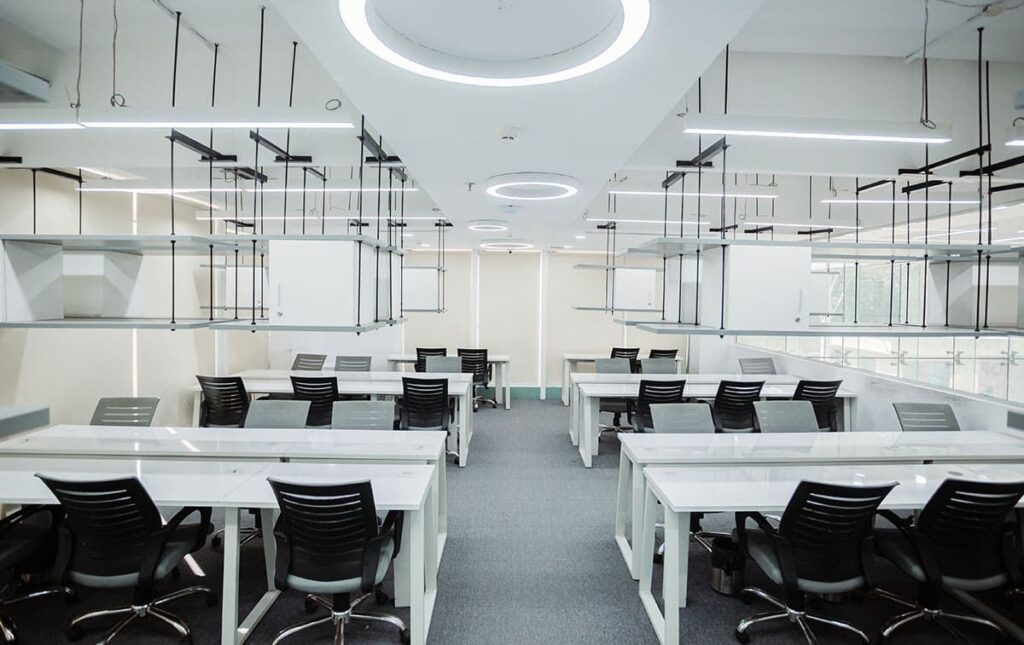
Space planning is one of the most powerful yet often underestimated aspects of interior design. It determines how people move through a space, how comfortably they can work, and how effectively an environment supports its purpose. In both professional workplaces and wellness settings, the way a space is organised influences productivity, mood, and long-term performance. When layout decisions are made with care, they create environments that feel intuitive, efficient, and supportive rather than restrictive or confusing.
High-performance spaces are not defined by size or luxury alone. They are shaped by how well each area is connected, how clearly different functions are separated, and how easily people can move between tasks. Whether it is a corporate office or a fitness centre, successful space planning ensures that the environment works with the people inside it rather than against them.
Understanding Space Planning in Commercial Environments
Space planning is the process of organising interior areas so that they meet functional, operational, and human needs. It involves arranging walls, furniture, equipment, and circulation routes to support the intended activities of the space. In commercial environments, this means creating layouts that are easy to navigate, efficient to use, and aligned with business goals.
A well-planned space reduces wasted areas and removes obstacles that slow people down. It creates natural movement patterns that feel effortless, helping users move from one area to another without confusion. This clarity is especially important in high-performance settings where time, comfort, and concentration matter.
How Layout Influences Productivity and Focus
The layout of a workspace directly affects how people think, communicate, and perform. When desks, meeting rooms, and shared areas are arranged thoughtfully, they support collaboration without creating constant noise or distraction. Staff can focus when needed and connect when it is useful, creating a balanced work environment.
Poorly planned layouts, on the other hand, can increase stress and fatigue. Narrow walkways, overcrowded desks, and awkwardly placed rooms interrupt workflow and make even simple tasks harder than they should be. Good space planning removes these barriers, allowing people to work more comfortably and with greater efficiency.
The Importance of Zoning in High-Performance Spaces
Zoning is the practice of dividing a space into areas based on activity. In a workplace, this may include quiet zones for focused work, collaborative zones for meetings, and social areas for informal interaction. Each zone supports a different type of activity, allowing people to choose the environment that best suits their task.
In wellness environments, zoning is just as important. Areas for cardio, strength training, stretching, and recovery all need clear separation to avoid overcrowding and confusion. When each function has its own defined space, users feel more comfortable and confident moving through the environment.
Circulation and Movement Flow
Movement flow refers to how people travel through a space. Good circulation allows users to move easily between areas without crossing paths unnecessarily or blocking each other. In high-performance environments, this is essential for maintaining energy and reducing frustration.
Clear pathways and logical transitions between zones help people stay focused on their activities rather than worrying about where to go next. Whether someone is walking between meeting rooms or moving from one piece of gym equipment to another, smooth circulation supports both comfort and safety.
Ergonomics and Physical Comfort
Space planning is closely linked to ergonomics, which focuses on designing environments that support the human body. In workplaces, this means providing enough space for proper seating, desk positioning, and movement. In wellness settings, it involves ensuring that equipment is spaced correctly and that users have room to exercise safely.
When ergonomics are considered from the start, people experience less physical strain and fatigue. This leads to better performance, fewer injuries, and a more positive relationship with the space they use every day.
Supporting Team Interaction and Collaboration
High-performance work environments depend on effective communication. Space planning plays a major role in how teams interact. Open areas, meeting rooms, and breakout spaces should be positioned to encourage conversation without disrupting focused work.
A well-planned office creates natural opportunities for collaboration while still respecting the need for privacy. When people can easily come together to share ideas and then return to their tasks, productivity and creativity both improve.
Designing for Energy and Motivation in Wellness Spaces
In fitness and wellness environments, space planning has a strong influence on motivation. Clear sightlines, well-organised equipment, and open areas make the space feel inviting and energising. Users are more likely to move confidently through the facility and stay engaged in their workout.
Thoughtful layouts also prevent overcrowding and bottlenecks. When people can move freely between activities, they feel less stressed and more focused on their physical goals, creating a better overall experience.
The Role of Professional Planning in Office Fit Outs
The complexity of modern workplaces means that professional planning is essential. Specialists who understand how offices function can design layouts that support technology, teamwork, and future growth. This is why many businesses rely on office fit out contractors to create work environments that are both practical and adaptable.
By working with experienced planners, companies can avoid common mistakes such as inefficient layouts or poor use of space. Professional input ensures that every square metre contributes to the performance of the organisation.
Flexibility and Future Proofing
High-performance spaces must be able to change over time. Space planning should allow for growth, new technologies, and evolving work or wellness trends. Flexible layouts make it easier to reconfigure areas without major disruption or cost.
This adaptability is especially important in both offices and fitness facilities, where user needs can shift quickly. A well-planned space can be updated and refined without losing its core functionality.
The Value of Planning in Fitness Facility Design
Fitness centres rely heavily on layout to deliver a positive experience. Equipment placement, circulation routes, and support areas such as changing rooms all need careful planning. This is why projects focused on gym fit out Dubai place such a strong emphasis on space planning from the earliest stages.
When a gym is planned properly, it feels intuitive and easy to use. Members spend less time waiting or searching for space and more time focusing on their health and performance.
Integrating Aesthetics with Function
While space planning is primarily about function, it also supports the visual quality of a space. A well-organised layout allows design features such as lighting, materials, and colour to be used more effectively. The result is an environment that looks good and works well.
In high-performance spaces, this balance between beauty and practicality creates environments that feel professional, welcoming, and motivating.
Reducing Stress Through Better Layouts
Crowded, confusing spaces increase stress levels and reduce performance. Good space planning creates a sense of order and clarity. People know where to go, what to do, and how to move through the environment without effort.
This sense of ease improves both mental and physical well-being. In workplaces, it leads to better focus and job satisfaction. In wellness environments, it helps users feel more relaxed and confident.
Why Space Planning Is a Long-Term Investment
Investing in proper space planning delivers long-term benefits. Efficient layouts reduce operating costs, improve user satisfaction, and extend the life of the interior. They also make it easier to adapt the space as needs change.
High-performance environments are not created by chance. They are the result of careful planning, professional input, and a clear understanding of how people use space.
A Foundation for Sustainable Performance
Space planning is the foundation of every successful work and wellness environment. It shapes how people move, how they feel, and how effectively they can perform their activities. By focusing on layout, circulation, and zoning, businesses and fitness facilities can create spaces that truly support their users.
When planning is done well, it transforms interiors into tools for success rather than just places to occupy. High performance begins with how space is organised, making thoughtful planning one of the most valuable investments any organisation can make.









Leave a Reply