






How to Handle Emergency Plumbing Situations at Home
Plumbing emergencies can happen at any time and often without warning. Issues such as burst pipes, severe leaks, or blocked drains can cause significant damage if not handled quickly. Knowing how to respond in these situations can help minimise damage and protect your home.
Understanding emergency plumbing practices ensures you are prepared to act effectively when problems arise.
Turn Off the Water Supply
The first and most important step in any plumbing emergency is to turn off the main water supply. This prevents further water from flowing into the system and reduces the risk of flooding.
Every homeowner should know the location of the main shut-off valve.
Identify the Problem
Understanding the source of the issue helps determine the next steps. Whether it’s a leaking pipe, overflowing toilet, or blocked drain, identifying the problem allows you to respond appropriately.
Quick assessment can save valuable time.
Handle Burst Pipes
Burst pipes can cause extensive water damage in a short time. After turning off the water supply, drain the remaining water by opening taps.
Using temporary repairs such as pipe tape can help control the leak until professional help arrives.
Manage Blocked Drains
Blocked drains can lead to overflow and unpleasant conditions. Avoid using harsh chemicals, as they may damage pipes.
Using a plunger or drain snake can help clear minor blockages.
Deal with Leaking Fixtures
Leaking taps or toilets can waste water and cause inconvenience. Tightening connections or replacing worn-out parts may resolve minor issues.
However, persistent leaks should be handled by a professional.
Stay Safe Around Water and Electricity
Water and electricity are a dangerous combination. If water is near electrical outlets or appliances, turn off the electricity supply immediately.
Safety should always be your top priority.
Use Temporary Solutions
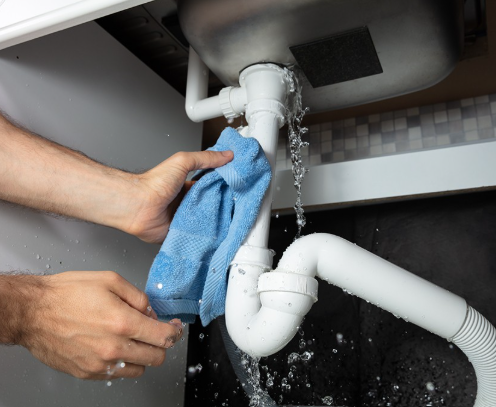
Temporary fixes such as buckets, towels, and sealants can help manage the situation until a permanent repair is made.
These measures reduce immediate damage and keep the area under control.
Call a Professional Plumber
While some minor issues can be handled at home, major plumbing emergencies require professional expertise. Qualified plumbers have the tools and knowledge to fix problems safely and effectively.
Prompt professional assistance ensures long-term solutions.
Prevent Future Emergencies
Regular maintenance is key to preventing plumbing emergencies. Inspect pipes, fix leaks early, and avoid improper use of drains.
Taking preventive measures reduces the risk of unexpected issues.
Final Thoughts
Handling emergency plumbing situations requires quick thinking and the right actions. By turning off the water supply, identifying the issue, and using temporary solutions, homeowners can minimise damage. Combining preparedness with professional support ensures your home remains safe and protected during plumbing emergencies.









Leave a Reply