






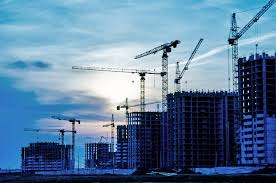
Every building requires a solid foundation. A strong foundation helps support the whole structure and ensures it stays in place for a long time. If foundations are weak, the structure may break, shift unevenly, or fail. This is the reason engineers and builders always concentrate on building strong and secure foundations.
The construction techniques of today are evolving. Builders seek more speedier, safer and more efficient methods to finish projects. One option which is gaining popularity can be foundations that are precast. The footings make foundations easier to process, while increasing the durability and quality.
The article we’ll describe what precast footings will be about, the way they function with their benefits, as well as the reasons why they are an excellent option in modern-day construction.
What Are Precast Footings?
Precast footings are foundation elements made by workers in factories. After the production process, they move these footings to construction sites and then place them in pre-planned areas.
Instead of traditional footings where workers put concrete in the ground and then wait for it to dry, footings precast are ready to be used. This speeds up construction and increases the consistency of.
Precast footings are used by builders to support walls, columns as well as other load-bearing elements of structures.
Why Foundations Are Important
The foundation is the basis of a structure. It supports its weight and distributes it to the ground below. A solid foundation will ensure that the structure is stable and secure.
If the foundation isn’t solid enough it is possible for problems to arise like:
- Cracks in floors and walls
- Uneven settlement
- Structural instability
- More expensive maintenance costs
Precast footings can help avoid these issues through providing sturdy and stable support.
How Precast Footings Work
Precast footings function by spreading the weight of a structure across an area larger than the soil. This decreases the stress on the ground and stops shifting or sinking.
Here’s how they work:
- load transfer: The footing distributes the structural weight equally.
- Stability A broad base ensures that the structure is balanced.
- Stability: Reinforced concrete resists cracking and causing damage.
- Rapid Installation The workers place the base straight into place without waiting for the curing process to take place.
This makes construction more efficient as well as more effective.
Types of Precast Footings
Builders utilize different kinds of precast footings, based on the requirements of the project.
- Isolated Footings – Isolated footings are used to support single columns. Each column’s footing is unique to it. They are used by builders in their small structures and homes.
- Continuous Footings – Continuous footings are a common feature across the length of walls. They are used to support walls that bear loads and distribute weight equally.
- Combined Footings – Together footings can are used to support multiple columns. Engineers make use of these footings when the columns are placed close to each other, or when there is a limited space.
- Pad Footings – Pad footings are heavy or square blocks. They are designed to support large loads and are commonly used in industrial construction projects.
- Custom Footings – Some projects require special designs. Manufacturers can design customized precast footings designed to meet particular requirements.
Benefits of Precast Footings
Precast footings provide many benefits in comparison to traditional methods of construction.
- Faster Construction – Footings are made by workers in a manufacturing facility while they work on the site to be being prepared. When the site is prepared for construction, the installation process takes just a few minutes. This helps reduce the time taken to complete projects.
- High Quality – Factories manage the entire process of production. They ensure the proper mixing molds, curing, and mixing of concrete. This leads to solid and stable foundations.
- Cost Savings – Faster installation reduces labor costs. Less delays also help save money. In time, sturdy feet reduce the cost of maintenance and repairs.
- Improved Safety – Workers are less likely to handle wet concrete when they are on site. This lowers risk and helps create an environment that is safer for workers.
- Weather Resistance – The weather can impact concrete pouring. Temperature, rain or cold may create problems. Precast footings are constructed under controlled conditions, which means the weather doesn’t impact their performance.
- Sustainability – Precast production is less wasteful and makes use of materials more effectively. Some companies use recycled materials, which makes the process greener.
Applications of Precast Footings
Precast footings can be used for a variety of construction projects.
- Residential Construction – Builders build footings using precast company for small structures and houses. They offer strong support and easy installation.
- Commercial Buildings – Shopping centers, office buildings and schools gain from precast footings as they can speed up construction and increase the quality.
- Industrial Projects – Warehouses and factories require sturdy foundations to support heavy equipment. Precast footings offer the required strength and tensile.
- Infrastructure Projects – Bridges roads, bridges, and utility structures rely on precast footings for effective construction and stability over time.
- Modular Construction – Precast footings are ideal for modular buildings, which are constructed of components that are easily assembled on-site.
Design Considerations
Engineers should take into account a number of aspects when creating precast footings.
- Soil Conditions – The soil’s strength determines the dimensions and types of footing. In weak soil, it may need larger feet or more support.
- Load Requirements – Engineers determine the structural weight and then design the footings to be able to bear that weight safely.
- Size and Shape – The dimensions and shapes of the footing are determined by the site and structure.
- Reinforcement – Steel reinforcement boosts the strength and helps prevent cracking.
- Installation Planning – Engineers design how to move and set footings in a timely manner.
Installation Process
Precast footings are easy to install and effective.
- Site preparation: The workers clear the ground and smooth the ground.
- Excavation The excavations are made in accordance with the plan.
- Basis Preparation An overcoat of gravel or sand provides an even base.
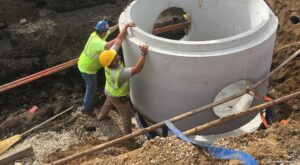
- Installation: Workers place the footings precast with the help of cranes or lifting equipment.
- Alignment The adjusters alter the footing to ensure that it is in the correct position and level.
- Filling in: The workers fill in the area surrounding them with dirt, then compact it.
- Check: Engineers check the installation to verify its quality and precision.
This process is more efficient than conventional methods and cuts down the construction time.
Common Challenges and Solutions
Precast footings could have some issues however, builders can handle the footings easily
- Transportation The large footings must be handled with careful management and plan.
- Soil Preparation Poor or uneven soil might require compaction or stabilization.
- Perfect Position: Accurate measurements ensure an accurate alignment and optimal performance.
With the right planning and skilled workers, these problems can be successfully solved.
Why Precast Footings Are a Smart Choice
Precast footings offer a modern option for building solid foundations. They provide:
- Speedier construction
- Top-quality materials
- Lower labor costs
- Increased safety
- Long-lasting performance
The benefits of these products make them an attractive choice for engineers and builders.
The Future of Precast Footings
Precast footings are constantly improving thanks to new technologies. Engineers are working on more efficient materials and designs to increase the performance.
Future trends could include:
- High-performance concrete that is stronger and more durable
- More efficient and faster installation methods
- Integration of modular construction systems for building
- Sustainable production processes
These improvements can make precast footings more durable and effective.
Final Thoughts
Precast footings make foundation building simple, durable and efficient. They are reliable and provide support to speed up construction and enhance overall quality.
Engineers and builders choose precast footings due to their ability to provide an effective solution to current construction problems. They are suitable for industrial, commercial, residential infrastructure, and residential projects.
With precast footings you can construct strong foundations that require less effort and with better outcomes. Precast footings are a great method to build solid and durable structures.









Leave a Reply