






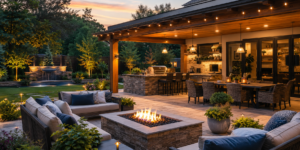
The way people think about their homes has changed dramatically over the last few years. Instead of treating the backyard as an area that is only used occasionally, many homeowners now see it as an extension of their indoor living space. Whether it is a peaceful place to enjoy morning coffee, an entertainment area for friends and family, or a quiet retreat after a long day, well-designed Outdoor Living Spaces have become one of the most desirable features of modern homes. They combine comfort, beauty, and functionality while creating an environment that encourages people to spend more time outdoors.
A thoughtfully designed outdoor area can completely transform the way a property looks and feels. It is no longer just about placing a few chairs on a patio or adding a grill. Today’s outdoor environments include elegant seating areas, outdoor kitchens, fireplaces, pergolas, lighting systems, water features, and carefully selected landscaping that work together to create a seamless living experience. Every element serves a purpose while contributing to the overall atmosphere.
As homeowners continue searching for ways to improve both their lifestyle and property value, investing in quality Outdoor Living Spaces has become a practical decision rather than simply a luxury. A beautiful outdoor environment provides a place where families can gather, children can play safely, guests can be entertained comfortably, and individuals can relax without leaving home. The possibilities are nearly endless when thoughtful planning meets creative design.
In this guide, you’ll discover the essential principles behind designing modern outdoor living environments, the features that make them functional throughout the year, common mistakes to avoid, and practical ideas that can help you create an outdoor space that fits your lifestyle perfectly.
Why Outdoor Living Spaces Have Become Essential
A New Way of Living at Home
Modern lifestyles are busier than ever, making it increasingly important to have spaces where people can unwind without traveling far from home. Outdoor areas offer fresh air, natural light, and a peaceful setting that supports both physical and mental well-being. Rather than viewing the backyard as unused space, homeowners now recognize its potential as another functional room of the house.
Families use these spaces in different ways depending on their needs. Some create outdoor dining areas for weekend gatherings, while others design peaceful reading corners surrounded by greenery. Many homeowners also install covered patios that allow them to enjoy the outdoors regardless of changing weather conditions.
Increasing Property Appeal
One of the biggest advantages of investing in professionally planned Outdoor Living Spaces is the positive impact on property value. Attractive landscaping, premium materials, and carefully designed outdoor features make homes more appealing to potential buyers. Even homeowners with no immediate plans to sell often appreciate the long-term return that quality outdoor improvements can provide.
A well-designed exterior creates a strong first impression while demonstrating that the property has been thoughtfully maintained. Buyers are increasingly attracted to homes that already include comfortable outdoor entertainment areas because they eliminate the need for future renovation projects.
Understanding the Foundation of Great Outdoor Design
Designing with Purpose
Every successful outdoor project begins with understanding how the space will actually be used. A family that frequently hosts gatherings requires a different layout than someone who simply wants a peaceful escape after work.
Before selecting furniture or building structures, homeowners should consider several important questions.
- Will the area primarily be used for entertaining guests?
- Is outdoor cooking an important priority?
- Will children or pets regularly use the space?
- Is year-round usability a goal?
Answering these questions creates a clear direction for every design decision that follows.
Creating Natural Flow
The best Outdoor Living Spaces feel connected to the interior of the home instead of appearing like separate projects. Designers often achieve this by extending flooring materials, repeating similar colors, or maintaining consistent architectural styles between indoor and outdoor environments.
Large sliding glass doors, covered patios, and transitional seating areas help blur the line between inside and outside, making the overall home feel larger and more inviting.
Essential Elements of Outdoor Living Spaces
Comfortable Seating Areas
Comfort should always remain the highest priority. Outdoor furniture has evolved significantly over the years, offering the same level of luxury found inside modern homes. Deep seating sofas, weather-resistant cushions, lounge chairs, and sectional arrangements create inviting environments where people naturally want to spend time.
The layout should encourage conversation while allowing enough room for movement throughout the space.
Outdoor Kitchens and Dining Areas
Outdoor cooking has become one of the fastest-growing trends in residential design. Beyond traditional grills, homeowners now incorporate refrigerators, sinks, pizza ovens, storage cabinets, beverage stations, and expansive countertops into their outdoor kitchens.
A nearby dining area completes the experience by making outdoor meals more convenient and enjoyable. Choosing durable materials such as natural stone, stainless steel, and concrete helps ensure these installations remain attractive despite constant exposure to changing weather conditions.
Shade and Weather Protection
Comfort depends heavily on protection from direct sunlight and unexpected weather. Pergolas, retractable awnings, covered patios, gazebos, and shade sails allow homeowners to enjoy their outdoor environments throughout the day.
One example of thoughtful outdoor design can be seen in projects completed by Catania construction, where practical layouts and carefully selected features create outdoor environments that balance comfort with long-term functionality.
Adding ceiling fans beneath covered structures can further improve airflow during warm summer months while making the space comfortable even on hotter days.
Bringing Nature Into the Design
Landscaping That Complements the Living Area
Beautiful landscaping serves as the backdrop for successful Outdoor Living Spaces rather than competing with them. Trees provide natural shade, shrubs create privacy, flowering plants add seasonal color, and ornamental grasses introduce texture and movement.
Instead of overcrowding the yard with too many plant varieties, professional designers often focus on creating balanced layers that maintain visual interest throughout every season.
Water Features and Natural Elements
The gentle sound of flowing water instantly creates a calming atmosphere. Small fountains, ponds, waterfalls, or decorative water walls can transform ordinary backyards into relaxing retreats.
Natural materials like stone pathways, wooden pergolas, gravel walkways, and native plants further strengthen the connection between architecture and nature while creating a timeless appearance.
Lighting That Extends Outdoor Enjoyment
Many homeowners underestimate the importance of lighting until after the project is completed. Strategic lighting not only improves visibility but also creates mood, highlights architectural features, and increases safety.
Layered lighting often delivers the best results by combining pathway lights, wall sconces, landscape spotlights, string lighting, and subtle accent fixtures. Warm lighting creates a welcoming atmosphere while making the space usable long after sunset.
Part 2 will cover modern design styles, choosing materials, budgeting, common mistakes, maintenance tips, future trends, FAQs, and a strong conclusion along with SEO title, meta description, and tags.
Modern Design Styles That Inspire Outdoor Living Spaces
Contemporary Outdoor Living
Contemporary Outdoor Living Spaces are known for their clean lines, open layouts, and minimalist appearance. Instead of filling the area with unnecessary decorations, this style focuses on quality materials, comfortable furniture, and a balanced color palette. Neutral shades such as gray, beige, black, and white are often paired with natural wood and stone to create a sophisticated look.
Large-format pavers, sleek outdoor kitchens, linear fire pits, and simple landscaping all contribute to a modern aesthetic that feels elegant without being overwhelming.
Rustic Outdoor Retreats
For homeowners who enjoy a warmer and more natural atmosphere, rustic outdoor designs offer timeless appeal. Wooden pergolas, natural stone fireplaces, gravel walkways, and abundant greenery create spaces that feel connected to nature while remaining highly functional.
This style works particularly well in larger backyards where mature trees and natural landscaping already exist.
Resort-Inspired Outdoor Spaces
Many homeowners dream of bringing the feeling of a luxury vacation into their own backyard. Resort-inspired Outdoor Living Spaces often feature swimming pools, comfortable lounge chairs, outdoor bars, decorative lighting, water features, and tropical plants that create a relaxing environment.
Even smaller properties can capture this atmosphere by combining quality furniture, soft lighting, and carefully selected landscaping.
Choosing the Right Materials
Durability Matters
Outdoor environments are constantly exposed to changing weather conditions. Selecting durable materials helps reduce maintenance while ensuring the space continues looking beautiful for years.
Popular material choices include:
- Natural stone for patios and walkways
- Composite decking for low maintenance
- Stainless steel for outdoor kitchens
- Concrete pavers for modern designs
- Cedar or aluminum pergolas for shade structures
Investing in quality materials often costs more initially but saves money on repairs and replacements over time.
Balancing Beauty and Function
Every material should complement both the home’s architecture and the surrounding landscape. Mixing too many textures or colors can make a backyard appear cluttered. Instead, selecting two or three primary materials creates a cohesive design that feels professionally planned.
Budgeting for Outdoor Living Spaces
Designing exceptional Outdoor Living Spaces does not always require an unlimited budget. The key is prioritizing features that deliver the greatest value based on how the space will actually be used.
A modest investment might focus on improving an existing patio with comfortable seating, lighting, and landscaping. Larger budgets may include outdoor kitchens, custom pergolas, fireplaces, entertainment systems, and premium hardscaping.
Working in phases is also a practical approach. Homeowners can begin with foundational elements and gradually add new features as their budget allows.
Common Mistakes to Avoid
Many outdoor renovation projects fall short because planning is rushed or important details are overlooked.
Some of the most common mistakes include:
- Ignoring how the space will be used daily.
- Choosing furniture that is too large or too small.
- Forgetting adequate lighting.
- Using materials that require excessive maintenance.
- Overcrowding the landscape with too many design elements.
- Not planning for drainage and water runoff.
- Failing to include enough shade during hot weather.
Avoiding these mistakes helps ensure the finished space remains both beautiful and practical.
Keeping Outdoor Living Spaces Beautiful Year After Year
Even the best-designed outdoor areas require regular care to maintain their appearance.
Routine cleaning keeps patios, decks, and furniture looking fresh while preventing long-term damage. Seasonal inspections help identify small repairs before they become expensive problems. Plants should be trimmed regularly to maintain balance, and outdoor lighting should be checked periodically to ensure proper operation.
Protective covers for furniture during harsh weather can significantly extend its lifespan while preserving its appearance.
Simple maintenance habits often make the difference between an outdoor area that continues looking impressive for years and one that quickly begins showing signs of neglect.
Future Trends in Outdoor Living Spaces
The popularity of Outdoor Living Spaces continues to grow as homeowners look for ways to maximize every part of their property.
Several emerging trends are shaping modern outdoor design:
- Smart outdoor lighting controlled through mobile devices.
- Eco-friendly landscaping using native plants.
- Energy-efficient outdoor heating systems.
- Multi-functional furniture with built-in storage.
- Outdoor workspaces designed for remote professionals.
- Sustainable building materials with minimal environmental impact.
As technology continues evolving, outdoor environments will become even more comfortable, efficient, and personalized.
Frequently Asked Questions
What are Outdoor Living Spaces?
Outdoor Living Spaces are functional outdoor areas designed for relaxing, entertaining, dining, or spending time with family while enjoying the comfort of home.
Do Outdoor Living Spaces increase home value?
Yes. Well-designed outdoor areas often improve curb appeal and make properties more attractive to potential buyers, which can increase overall market value.
What features should every outdoor living area include?
Comfortable seating, proper lighting, shade, durable flooring, landscaping, and a layout that matches the homeowner’s lifestyle are among the most important features. Are Outdoor Living Spaces suitable for small backyards?
Absolutely. Even compact yards can include stylish seating areas, vertical gardens, decorative lighting, and multi-purpose furniture to maximize available space.
Conclusion
Designing exceptional Outdoor Living Spaces is about far more than improving the appearance of a backyard. It is about creating an environment that supports everyday living, encourages meaningful connections, and provides a comfortable escape from the demands of daily life. Whether your vision includes a peaceful garden retreat, a modern entertainment area, or a fully equipped outdoor kitchen, thoughtful planning ensures every feature works together beautifully.
The most successful outdoor spaces combine functionality, comfort, durability, and natural beauty into one cohesive design. By selecting quality materials, planning with purpose, avoiding common mistakes, and maintaining the space properly, homeowners can enjoy an outdoor environment that remains inviting throughout every season. As outdoor living continues to evolve, investing in a well-designed space is one of the smartest ways to enhance both your lifestyle and your home’s long-term value.









Leave a Reply