






Modern businesses rely on a wide range of applications to manage customers, process payments, analyze data, and streamline operations. As organizations adopt cloud technologies and digital tools, connecting these systems has become essential for maintaining efficiency and improving productivity.
Successful integrations allow applications to exchange information automatically, reducing manual work and improving accuracy. However, without proper planning and execution, integration projects can face security issues, performance problems, and compatibility challenges. Following proven strategies helps businesses build reliable and scalable solutions.
Understanding API Integration
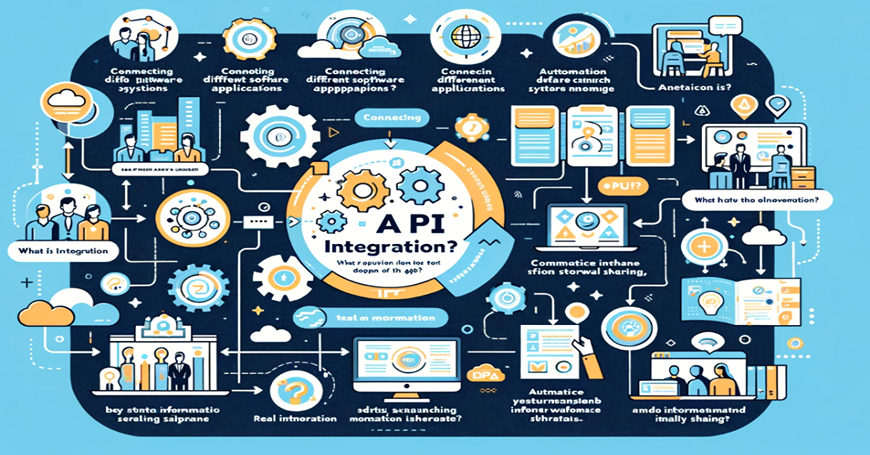
API integration is the process of connecting different software applications through application programming interfaces, allowing them to communicate and share data seamlessly. Businesses use APIs to link customer relationship management systems, payment gateways, cloud platforms, and internal applications.
API Integration plays a critical role in modern digital transformation by enabling automated workflows and improving collaboration between different systems. Organizations that implement effective integrations can reduce operational costs and deliver better customer experiences.
As companies continue to adopt new technologies, the demand for secure and efficient integration solutions continues to grow.
Define Clear Goals and Requirements
Before starting any project, businesses should identify their objectives and understand the problems they want to solve. Clear goals help teams choose the right technologies and create realistic implementation plans.
Organizations should analyze their existing infrastructure and determine how different applications will interact. Understanding technical requirements at an early stage reduces the risk of delays and unexpected complications.
A well-defined strategy provides a solid foundation for long-term success.
Analyze Existing Systems
Many organizations use a combination of modern applications and legacy software. Evaluating the compatibility of these systems is essential before beginning any integration project.
Businesses should identify potential limitations, assess data formats, and determine whether additional tools or middleware are required. Early analysis helps developers avoid costly problems during implementation.
Understanding the current infrastructure also makes future upgrades easier.
Choose the Right API Architecture
Selecting the right architecture is one of the most important decisions in any integration project. REST, SOAP, and GraphQL are among the most common approaches, and each offers unique advantages.
The choice depends on factors such as performance requirements, scalability, and security needs. Developers should select an architecture that aligns with business objectives and supports future growth.
A scalable design ensures that applications can handle increasing workloads over time.
Prioritize Security and Compliance
Security should always be a top priority when connecting applications. Businesses exchange sensitive information such as customer records, payment details, and financial data through APIs.
Using API Integration, organizations must implement strong authentication methods such as OAuth, API keys, and token-based access controls. Encryption and secure communication protocols also help protect data from unauthorized access.
Compliance with industry regulations is equally important for maintaining trust and avoiding legal issues.
Create Comprehensive Documentation
Good documentation makes it easier for developers, project managers, and stakeholders to understand how systems interact. Clear documentation should include API endpoints, request parameters, authentication methods, and response formats.
Well-maintained documentation improves collaboration and reduces development time. It also simplifies troubleshooting and future upgrades.
Organizations that invest in documentation often experience smoother implementation processes.
Test Thoroughly Before Deployment
Testing is essential for ensuring that integrated systems work correctly and efficiently. Functional testing verifies that APIs perform as expected, while performance testing measures speed and reliability under heavy workloads.
Security testing helps identify vulnerabilities that could expose sensitive information. Comprehensive testing reduces the risk of system failures after deployment.
Businesses should establish testing procedures before launching any new integration project.
Monitor and Optimize Performance
Once an integration is deployed, continuous monitoring becomes crucial. Organizations should track response times, error rates, and overall system performance to identify issues before they affect users.
The use of API Integration monitoring tools allows businesses to analyze traffic patterns and optimize performance through caching, load balancing, and rate limiting. Proactive monitoring ensures that systems remain stable and efficient.
Regular maintenance also helps organizations adapt to changing business requirements.
Common Mistakes to Avoid
Many integration projects fail because organizations overlook critical details. Poor planning, inadequate testing, and weak security practices are among the most common mistakes.
Another major issue is ignoring scalability. Businesses often build systems that meet current needs but struggle to support future growth. Incomplete documentation and insufficient monitoring can also create long-term problems.
Avoiding these mistakes improves reliability and reduces operational risks.
Future Trends in API Integration
Emerging technologies are transforming the way businesses connect applications. Artificial intelligence, serverless computing, and event-driven architectures are making integrations more flexible and efficient.
Automated analytics tools can identify performance issues in real time, while cloud-native solutions simplify deployment and scalability. Companies that embrace these innovations will gain a competitive advantage in the digital economy.
Future integration systems will focus on speed, security, and intelligent automation.
Conclusion
Modern businesses depend on connected applications to remain competitive and efficient. Successful projects require careful planning, strong security measures, comprehensive testing, and continuous monitoring.
Organizations investing in API Integration should focus on scalability, documentation, and performance optimization to build reliable systems that support long-term growth. By following best practices, businesses can create seamless digital experiences and maximize the value of their technology investments.
Frequently Asked Questions
1. What are the best practices for API integration?
The best practices include defining clear goals, prioritizing security, testing thoroughly, maintaining documentation, and monitoring performance.
2. Why is API security important?
API security protects sensitive data and prevents unauthorized access to business systems.
3. How can businesses improve API performance?
Businesses can improve performance through caching, load balancing, and continuous monitoring.
4. What are the common challenges in API integration projects?
Common challenges include compatibility issues, security concerns, maintenance, and scalability problems.
5. Which API architecture is best for modern applications?
REST and GraphQL are popular choices, but the best architecture depends on business requirements and technical needs.









Leave a Reply