






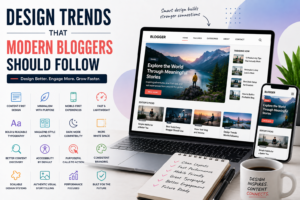
Blog design has evolved dramatically over the past decade. What once focused primarily on aesthetics has shifted toward creating fast, accessible, and user-centered experiences that encourage readers to stay longer and explore more content.
Modern readers expect websites to load quickly, adapt seamlessly to every screen size, and present information in a way that feels intuitive rather than overwhelming. Search engines have also placed greater emphasis on page experience, making thoughtful design an important factor in both user satisfaction and discoverability.
However, following every new design trend isn’t the answer. Many visual trends disappear as quickly as they emerge, while timeless principles such as readability, simplicity, and accessibility continue to deliver value year after year.
This guide explores the most important design trends modern bloggers should embrace, explains why they matter, and provides practical advice for implementing them without sacrificing performance or usability.
1. Content-First Design
The strongest trend in blogging today isn’t flashy animations or complex layouts; it’s putting content at the center of the experience.
Modern blogs prioritize:
- Clear article layouts
- Comfortable reading widths
- Strong heading hierarchy
- Minimal distractions
- Consistent spacing
Rather than filling pages with unnecessary widgets, successful blogs focus on making every article enjoyable to read.
Content-first design helps readers stay focused and encourages them to continue exploring your website.
2. Minimalism With Purpose
Minimalism has matured beyond empty white pages and oversized typography.
Today’s minimalist design focuses on removing unnecessary elements while keeping the information readers actually need.
Characteristics include:
- Simple navigation
- Clean layouts
- Limited color palettes
- Purposeful white space
- Fewer visual distractions
Every design element should support the user’s goals rather than compete for attention.
3. Mobile-First Experiences
Most visitors now discover blogs through smartphones before viewing them on larger screens.
Modern bloggers should design with mobile users in mind from the beginning.
Key considerations include:
- Touch-friendly navigation
- Readable typography
- Responsive images
- Fast mobile performance
- Proper spacing between buttons
A mobile-first approach ensures readers enjoy a consistent experience regardless of the device they’re using.
4. Faster, Lightweight Interfaces
Website speed has become both a user expectation and a competitive advantage.
Heavy themes filled with animations, unnecessary scripts, and oversized media files can negatively affect user experience.
Modern bloggers increasingly choose designs that emphasize:
- Lightweight code
- Optimized images
- Efficient fonts
- Lazy loading
- Clean CSS
Performance improvements benefit both visitors and search visibility.
5. Bold Yet Readable Typography
Typography has become one of the defining characteristics of modern blog design.
Instead of decorative fonts, successful blogs rely on typography that enhances readability.
Best practices include:
- Clear heading hierarchy
- Comfortable font sizes
- Consistent spacing
- High contrast
- Readable line lengths
Good typography guides readers naturally through the article without drawing attention to itself.
6. Magazine-Style Homepages
Magazine layouts remain popular because they make large content libraries easier to explore.
Instead of displaying posts in a simple chronological list, these layouts organize articles into meaningful sections.
Common homepage features include:
- Featured stories
- Trending articles
- Category highlights
- Editor’s picks
- Recent content
A structured editorial layout can improve content discovery while giving visitors multiple entry points into your website.
For example, The Bold Magazine illustrates how a magazine-inspired homepage can showcase a wide variety of topics without feeling cluttered. Thoughtful content organization helps readers quickly identify stories that match their interests.
7. Dark Mode Compatibility
Dark mode has become increasingly common across websites, applications, and operating systems.
Many modern themes now include optional dark mode because it offers:
- Reduced eye strain in low-light environments
- Modern visual appeal
- Greater personalization
- Improved accessibility for some users
When implementing dark mode, designers should carefully evaluate contrast, image presentation, and brand consistency.
8. More White Space
One of the simplest ways to improve a blog is by giving content room to breathe.
Strategic white space:
- Improves readability
- Separates sections
- Highlights important information
- Creates a premium appearance
- Reduces visual fatigue
Modern design is often defined as much by what it leaves out as by what it includes.
9. Consistent Visual Branding
Readers should recognize your website regardless of which article they land on.
Strong visual branding includes:
- Consistent colors
- Recognizable typography
- Uniform featured images
- Cohesive icons
- Consistent button styles
Brand consistency builds familiarity and encourages repeat visits over time.
10. Better Content Discovery
Modern blogs focus on helping readers find additional valuable content rather than simply presenting the latest posts.
Useful discovery features include:
- Related articles
- Reading recommendations
- Popular posts
- Topic hubs
- Search functionality
- Category pages
These elements encourage visitors to continue exploring after finishing an article.
11. Accessibility by Default
Accessibility has become an essential part of responsible web design.
Modern blogs increasingly support:
- Keyboard navigation
- Screen readers
- Clear focus indicators
- High color contrast
- Semantic HTML
- Accessible forms
Accessible websites create better experiences for all readers, not only those using assistive technologies.
12. Purposeful Calls to Action
Modern blogs avoid overwhelming visitors with aggressive pop-ups and excessive promotional banners.
Instead, calls to action are integrated naturally throughout the reading experience.
Examples include:
- Newsletter subscriptions
- Downloadable resources
- Related guides
- Product recommendations
- Contact opportunities
A thoughtful call to action feels helpful rather than disruptive.
13. Scalable Design Systems
As blogs grow, maintaining consistency becomes more challenging.
Many publishers now adopt design systems that standardize:
- Buttons
- Cards
- Typography
- Colors
- Spacing
- Icons
This approach simplifies future updates while preserving a consistent user experience.
14. Authentic Visual Storytelling
Stock photography alone is no longer enough to differentiate a publication.
Modern bloggers increasingly use:
- Original photography
- Custom illustrations
- Branded graphics
- Informative diagrams
- Data visualizations
These assets make articles more engaging while reinforcing brand identity.
15. Learning From Established Editorial Websites
One of the best ways to identify effective design trends is to study successful publications.
Observe how established websites:
- Organize navigation
- Present featured content
- Balance text and imagery
- Maintain visual consistency
- Guide readers through long-form articles
For instance, The Morning Magazine demonstrates how a clean editorial structure can support content discovery without relying on excessive visual effects. The emphasis remains on making articles accessible, organized, and easy to browse.
Studying successful websites should inspire better design decisions rather than encourage imitation.
Common Design Mistakes to Avoid
Even while following modern trends, bloggers should avoid:
- Overusing animations
- Choosing style over readability
- Cluttering pages with widgets
- Ignoring mobile optimization
- Using inconsistent branding
- Sacrificing speed for visual effects
- Adding intrusive pop-ups
- Neglecting accessibility
A successful design is measured by how effectively it serves readers not by how many visual effects it includes.
A Modern Blog Design Checklist
Before publishing or redesigning your website, consider the following:
- Is the layout easy to scan?
- Does the site load quickly?
- Is the typography comfortable to read?
- Is navigation intuitive?
- Does the homepage encourage exploration?
- Is the design responsive?
- Are branding elements consistent?
- Are calls to action helpful rather than distracting?
- Does the website remain accessible?
- Can the design scale as your content grows?
If you can confidently answer “yes” to these questions, your blog is well positioned to provide a strong reader experience.
Conclusion
Modern blog design is no longer about chasing visual trends for their own sake. The most effective websites combine clean aesthetics with practical usability, ensuring readers can quickly find, understand, and engage with valuable content.
By embracing content-first layouts, lightweight performance, responsive design, consistent branding, accessibility, and thoughtful navigation, bloggers can create websites that remain effective long after individual design trends have faded.
Ultimately, the best design trend to follow is one that helps your readers achieve their goals with less effort. When usability and visual appeal work together, both your audience and your blog benefit.









Leave a Reply