






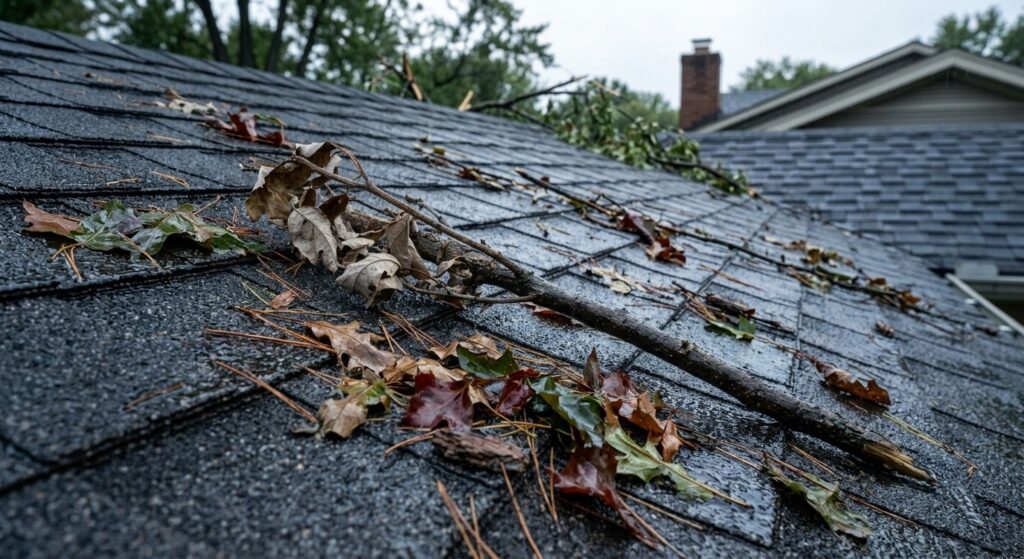
A roof experiences every change in the weather before the rest of the home does. Heavy rain, powerful winds, hail, and flying debris all strike the roof first, making it the primary barrier between the home and the outside environment. While every part of a roofing system plays an important role, the outer layer receives the greatest amount of exposure.
That outer layer is made up of roof shingles. They are designed to help manage rainwater, reduce weather exposure, and protect the materials beneath them. Although they may appear simple, shingles perform an important job every day.
Understanding how shingles work helps homeowners recognize why regular inspections and timely repairs are important after severe weather. A well-maintained roof is better prepared to handle changing conditions and continue protecting the home.
The best time to fix the roof is when the sun is shining. — John F. Kennedy
Taking care of roofing materials before problems appear is often the easiest way to avoid larger roofing concerns later.
Why Roof Shingles Are the First Line of Protection
Every roofing system contains several important components, but shingles form the surface that directly faces changing weather conditions.
They help shield the roof deck, underlayment, and other structural components from rain, sunlight, and wind.
Surface Protection Matters
When roof shingles remain in good condition, they reduce the amount of weather exposure experienced by the layers beneath them.
This allows the complete roofing system to continue performing more effectively throughout the year.
How Roof Shingles Help Direct Rainwater Away
One of the primary jobs of roofing shingles is helping rainwater move safely down the roof.
Their overlapping design encourages water to flow toward gutters instead of remaining on the roof surface.
Water Movement Protects Roofing Materials
When water leaves the roof efficiently, there is less opportunity for moisture to remain around roofing materials.
Proper water flow supports the long-term condition of the roofing system and helps reduce unnecessary wear.
Why Strong Winds Can Affect Roof Shingles
Storms often bring powerful wind that places pressure on roofing materials.
While shingles are designed to remain secure, repeated exposure to high winds can gradually affect their condition.
Wind Can Change Roofing Materials Over Time
After severe weather, professional inspections help determine whether shingles remain properly positioned or if certain sections deserve closer attention.
Evaluating the roof after a storm helps homeowners understand its current condition.
How Storm Damage Can Affect Roofing Performance
Not every storm creates immediate roofing problems, but strong weather may gradually influence the condition of roofing materials.
Heavy rainfall, wind-driven debris, and hail can all contribute to storm damage that may not be obvious from the ground.
Some Changes Are Difficult to Notice
A roof may continue appearing normal even after severe weather.
Professional roofers inspect shingles carefully because small changes can sometimes remain hidden until additional weather affects the same area.
Why Damaged Shingles Should Be Evaluated Promptly
A single damaged shingle may appear insignificant, but it can affect the surrounding roofing materials if left unchanged.
Roofing systems work together, meaning one weakened section may place additional stress on nearby components.
Early Attention Helps Preserve the Roof
Replacing or repairing damaged shingles early helps maintain the protective surface of the roof and reduces the possibility of additional roofing concerns.
Professional evaluations help determine the extent of the affected area.
How Roof Shingles Help Protect the Layers Below
The visible roofing surface is only one part of the roofing system.
Beneath the shingles are other important components that rely on the outer roofing layer for protection.
Every Layer Depends on the Surface
When roof shingles continue performing properly, they help reduce weather exposure for the underlayment, roof deck, and structural materials beneath them.
This allows the roofing system to work together more effectively.
Why Routine Roof Inspections Matter After Storms
Storms can affect roofing materials in ways that homeowners cannot always see.
Routine inspections give roofers the opportunity to evaluate shingles closely and identify changes that may deserve attention.
Inspections Provide Valuable Information
Professional evaluations help homeowners understand how recent weather has influenced the roof and whether any repairs are recommended.
Finding concerns early often helps preserve the condition of the roofing system.
Comparing Roof Shingles in Good Condition and Worn Shingles
The condition of roofing shingles greatly influences how well a roof performs during changing weather.
| Well-Maintained Roof Shingles | Worn Roof Shingles |
| Better weather protection | Greater exposure to outside conditions |
| Efficient rainwater movement | Water may remain longer on the roof |
| Better support for underlying materials | Increased stress on roofing components |
| Improved overall roof performance | Higher chance of developing roofing concerns |
| Better preparation for future storms | Reduced protection during severe weather |
Why Roof Shingles Deserve Regular Attention
Roof shingles quietly protect the home every day, often without homeowners thinking about them.
Regular inspections, timely repairs, and proper maintenance help preserve their ability to reduce weather exposure and support the entire roofing system.
Understanding their role makes it easier to appreciate why routine roof care remains one of the most valuable ways to protect a home throughout every season.
How Professional Roofers Evaluate Roof Shingles
After a severe storm, roofers do much more than look for missing shingles. They examine the entire roofing surface to determine how the weather has affected different sections of the roof.
During an inspection, they check the condition of shingles, flashing, roof edges, valleys, and other connected components to understand whether the roofing system is still providing reliable protection.
Every Inspection Looks Beyond the Surface
Not every problem is immediately visible. Some changes become noticeable only through a detailed inspection performed by experienced professionals.
This careful evaluation helps homeowners understand the actual condition of their roof instead of relying only on what can be seen from the ground.
Why Roof Shingles Continue Protecting the Home Year After Year
Roof shingles face changing weather throughout every season. They expand during warm temperatures, contract as the weather cools, and continue resisting rain, wind, and sunlight every day.
Although this constant exposure gradually affects roofing materials, properly maintained shingles continue serving as an effective protective barrier for many years.
Consistent Care Supports Better Performance
Routine inspections allow roofers to monitor gradual wear before it develops into larger concerns. Regular maintenance helps preserve the condition of the roofing system while supporting its long-term performance.
How Storm Damage Can Change Over Time
A roof may appear unchanged immediately after a storm, yet some weather-related effects become more noticeable as time passes.
Strong winds can loosen roofing materials, while hail and heavy rain may weaken sections that continue facing normal weather conditions afterward.
Weather Does Not Stop After One Storm
If storm damage is left without professional evaluation, future weather may place additional pressure on the same roofing materials.
Scheduling an inspection after severe weather helps identify concerns before they become more difficult to manage.
Why Regular Roof Care Helps Preserve Roofing Materials
Maintaining roofing materials is not only about fixing visible problems. It also involves monitoring the roof throughout the year to understand how weather exposure is affecting its condition.
Routine maintenance helps identify gradual changes that may otherwise remain unnoticed.
Prevention Is Better Than Waiting
Regular attention allows roofers to recommend repairs while concerns are still limited, helping homeowners avoid larger roofing issues later.
How Professional Guidance Helps Homeowners Make Better Decisions
Every roof experiences weather differently depending on its age, materials, and surrounding environment.
Professional roofers evaluate the complete roofing system before recommending repairs because visible changes alone do not always show the full condition of the roof.
For homeowners looking for experienced roofing companies in Raleigh North Carolina, scheduling a professional roof inspection after severe weather provides valuable information about the condition of the roofing system and any areas that may require attention.
Why Roof Shingles Remain an Important Part of Every Roofing System
Although a roofing system includes many different components, shingles continue serving as the outer protective layer that faces changing weather every day.
Their condition influences how effectively the entire roofing system performs.
Every Shingle Contributes to Roof Protection
When roof shingles remain properly maintained, they continue directing water away, reducing weather exposure, and protecting the structural components beneath them.
This helps support the overall durability of the roof throughout changing seasons.
Success depends upon previous preparation. — Confucius
Preparing a roof before the next storm often begins with taking care of the shingles that protect it every day.
Final Thoughts
Roof shingles perform one of the most important jobs in any roofing system. They help protect the home from rain, wind, sunlight, and other weather conditions while shielding the roofing materials underneath.
After severe weather, a professional inspection helps determine whether storm damage has affected the roof, even when no obvious problems are visible. Regular maintenance and timely attention allow roof shingles to continue protecting the home and supporting the long-term performance of the entire roofing system.
Visit for news and updates at witanworld.com









Leave a Reply