






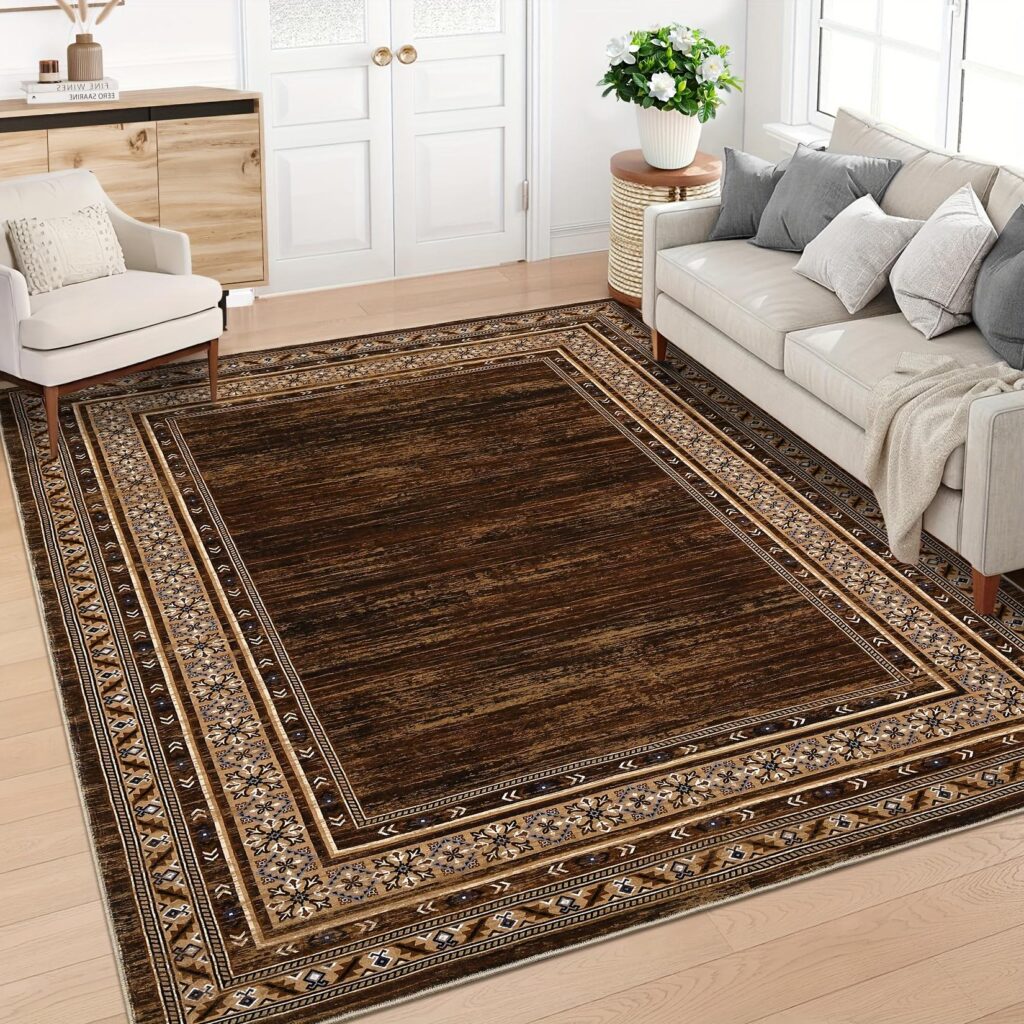
Choosing between a 10×13 and 12×15 rug can change the entire balance of a large room. Both sizes provide a generous foundation, but two feet of extra width and length affect furniture placement, walking paths, and the amount of flooring left visible. The best choice depends on the usable furniture zone rather than room dimensions alone.
Before comparing colors or patterns, study how the room functions. Measure the seating or dining arrangement, identify doors and vents, and decide how much furniture should sit on the rug. These decisions will make the size comparison much clearer.
Understand the Difference in Floor Coverage
A 10×13 rug covers about 130 square feet, while a 12×15 covers about 180 square feet. The larger option therefore adds much more surface than the small difference in numbers may suggest. It can support deeper furniture arrangements and wider borders around seating.
Shoppers exploring affordable 10×13 rugs should mark the size on the floor before assuming it will look small. In many large living rooms, 10×13 is enough to connect a sofa, loveseat, chairs, and coffee table.
Tape a second 12×15 outline in a different color. Comparing both shapes directly shows which one relates better to the room and whether the larger size reaches unwanted areas.
When a 10×13 Rug Works Well
A 10×13 rug often suits a large but not oversized living room. It may hold the front legs of a sectional and chairs with plenty of open rug in the center. In a more compact arrangement, all seating legs may fit.
This size can also work when the room needs a visible flooring border. If a 12×15 rug would approach several walls, a 10×13 may create a cleaner frame and keep doors or vents clear.
In open-concept homes, 10×13 can define the living area without pushing into the dining zone. It offers a substantial visual boundary while preserving a clear pathway between functions.
When a 12×15 Rug Is More Suitable
A 12×15 rug is useful for oversized sectionals, two facing sofas, or wide conversation groups with several chairs. It provides enough depth for an all-furniture-on arrangement and can make a very large room feel less empty.
The larger size may also suit a great room with tall ceilings and broad architectural features. A small rug can appear visually weak in such a setting even when the furniture technically touches it. The extra scale gives the seating zone more presence.
However, a large rug should not be used simply because the room is large. If the furniture occupies only one compact section, a 12×15 may cover unnecessary floor and extend into traffic paths.
Compare Furniture Placement Options
Decide whether all furniture legs will sit on the rug, only the front legs, or none except the coffee table. The 10×13 may be ideal for a front-legs arrangement, while the 12×15 may allow all legs to rest comfortably on the surface.
Measure beyond the furniture. An all-legs-on arrangement looks better when rug remains visible behind the sofa and chairs. Furniture sitting exactly on the edges may make even a large rug appear too small.
Keep placement consistent. If one chair sits fully on the rug and another remains completely off it, the layout can look uneven. Adjust the grouping before deciding that a different size is necessary.
Consider the Shape of the Room
A long rectangular room may suit a 10×13 because its proportions follow the architecture without reaching too close to the side walls. A wide great room may need the broader 12×15 to support furniture arranged across the space.
Room shape can also affect orientation. The longer side of the rug often runs parallel to the main sofa or the longest wall, but a fireplace or media wall may create a different focal direction. Tape both orientations when uncertain.
Irregular rooms require special attention. Bay windows, columns, angled walls, and built-ins may reduce the usable area. Measure these features instead of treating the room as a simple rectangle.
Protect Doors, Vents, and Walkways
Check every planned rug edge against doors, floor vents, hearths, and major pathways. The 12×15 may cross into a doorway that the 10×13 avoids. A thick pile can also interfere with a low door even when the dimensions appear to fit.
Leave enough open flooring for people to move naturally around the seating. An edge that runs through the middle of a busy path may receive uneven wear or create a place where people catch their feet.
In open spaces, preserve a strip of flooring between the living rug and dining furniture. The larger rug should define the zone, not erase the visual separation.
Compare the Sizes for Dining Rooms
For dining use, measure the table with the chairs pulled out. The rug should support the chair legs during normal movement. A 10×13 may work beneath many tables, while a 12×15 may be needed for a long table with extension leaves or generous end seating.
Do not choose based only on the tabletop. Chairs require a significant border behind them, and people need a walkway beyond the occupied chairs. A rug that fills nearly the entire dining room may reduce that visual breathing space.
Account for buffets and cabinets. These pieces usually remain on the hard flooring. Make sure the rug does not stop awkwardly beneath their front legs or interfere with doors.
Think About Cost and Maintenance
A larger rug generally requires a larger budget and may cost more to deliver, clean, or move. It also weighs more and can be difficult to rotate beneath heavy furniture. Include these practical factors in the decision.
The 10×13 may offer better value if it fully supports the desired arrangement. Choosing 12×15 only for extra coverage is not necessary when the smaller size already creates balance.
On the other hand, buying 10×13 to reduce cost may be a false saving if it leaves a large sectional disconnected. Replacing it later would cost more than selecting the correct size from the beginning.
Compare Designs Only After Confirming Size
Once the measurements point toward one size, compare material, pile, color, and care needs. A beautiful design cannot correct poor proportions. Filter by size first when browsing a rugs shop online.
Review the exact listed dimensions because size labels can be approximate. Compare product photos, close-up texture images, construction details, and care guidance. Keep a room photograph nearby to check how the colors may relate to the furniture and flooring.
Use the taped outline until the final decision is made. This keeps the true scale visible while you compare attractive options.
Final Thoughts
A 10×13 rug often suits large living rooms that need a substantial foundation with visible flooring around it. A 12×15 works better for oversized furniture groups, expansive great rooms, or arrangements where every furniture leg should sit on the rug.
Measure the furniture zone, mark both outlines, and test everyday movement. The best size is the one that connects the room’s main pieces while respecting paths, doors, vents, and the surrounding architecture.









Leave a Reply