






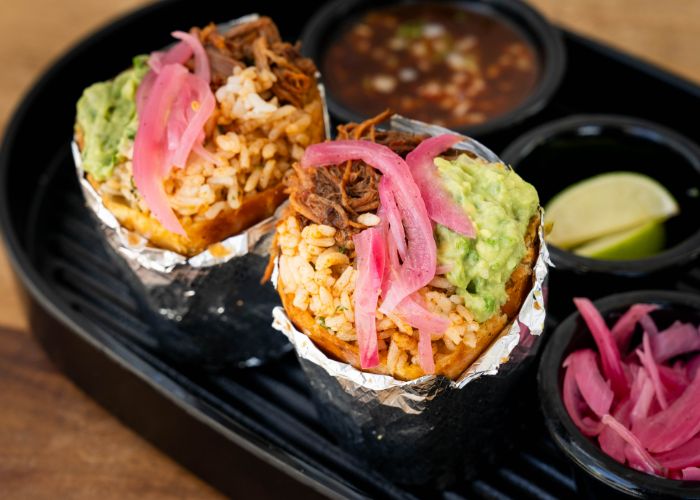
Tex-Mex and Mexican cuisine are often discussed as though one is simply a variation of the other. In reality, they are closely connected culinary traditions that developed through different histories, environments, ingredients and cultural influences.
Tex-Mex grew largely through the interaction of Mexican and American food traditions in Texas and along the wider borderlands, while Mexican cuisine encompasses a vast range of regional traditions shaped over centuries by Indigenous cultures, Spanish influence, geography, agriculture and local communities.
The most useful way to understand the relationship is:
Shared Roots → Border Exchange → Local Ingredients → Cultural Adaptation → Distinct Cuisine
Neither tradition needs to be considered superior. Understanding how they developed makes it easier to appreciate what each brings to the table.
Why Tex-Mex Is a Distinct Cuisine
Tex-Mex developed through generations of cultural exchange between Mexican communities and people living in Texas and the surrounding border region.
Rather than being a simplified imitation of Mexican food, it evolved into its own regional cuisine. Local ingredients, cattle culture, flour tortillas, cheeses, beef, beans, dried chiles and American food influences all contributed to the development of dishes now widely associated with Tex-Mex.
Over time, foods such as chili con carne, queso, combination plates and certain styles of enchiladas, tacos and burritos became strongly associated with the tradition.
A useful principle is:
Adaptation does not make a cuisine less legitimate. It creates a new culinary tradition shaped by its own history.
Understanding the Diversity of Mexican Cuisine
It is difficult to describe Mexican cuisine as though it were one uniform cooking tradition.
Mexico’s geography, Indigenous cultures, regional agriculture and local histories have produced significant variation in ingredients and preparation methods.
Traditional Mexican cuisine has deep roots in ingredients such as maize, beans and chiles. UNESCO recognizes traditional Mexican cuisine as an important cultural system involving farming practices, culinary techniques and community traditions.
Different regions may emphasize different:
- Chiles
- Herbs
- Proteins
- Seafood
- Corn preparations
- Sauces
- Cooking techniques
- Local vegetables
- Seasonings
This leads to an important principle:
There Is No Single Mexican Cuisine
Regional examples help us understand Mexican food, but they should not be treated as strict definitions of entire regions.
Maize, Beans and Chiles
Three ingredients are particularly important when exploring the foundations of many traditional Mexican foodways:
Maize
Corn has been central to Mexican food culture for centuries and remains fundamental to tortillas, tamales and many other preparations.
Beans
Beans appear across numerous regional cuisines and are prepared in many different ways.
Chiles
Mexico has a remarkable variety of fresh and dried chiles. Different chiles contribute heat, sweetness, smokiness, fruitiness, bitterness and aroma.
Together, maize, beans and chiles form part of the traditional culinary foundation recognized by UNESCO.
Why Nixtamalization Matters
One of the most important traditional techniques associated with Mexican maize preparation is nixtamalization.
In simple terms, maize is treated and cooked in an alkaline solution before being washed and processed into masa.
This process affects:
- Texture
- Flavour
- Workability
- Nutritional characteristics
Masa made from nixtamalized corn is used in foods such as tortillas and tamales.
Nixtamalization illustrates why Mexican cuisine cannot be understood only through finished dishes. Traditional techniques are part of the culinary knowledge itself. UNESCO specifically identifies nixtamalization as an important traditional preparation method.
Corn Tortillas vs Flour Tortillas
Tortillas provide another useful way to understand regional differences.
Corn tortillas have deep historical importance throughout Mexico, but flour tortillas also have strong traditions, particularly in parts of northern Mexico.
Tex-Mex cuisine often makes extensive use of flour tortillas, particularly for dishes such as burritos and fajitas.
Therefore, it would be inaccurate to reduce the comparison to:
Mexican = corn
Tex-Mex = flour
A more accurate view is:
Corn and flour tortilla traditions overlap, but their prominence varies by region and cuisine.
Cheese: Different Traditions, Not Simply More vs Less
Cheese is frequently used to distinguish Tex-Mex from Mexican cuisine, but the difference is more nuanced than saying one cuisine uses cheese and the other does not.
Tex-Mex dishes frequently feature melted cheeses and cheese sauces prominently. Examples may include:
- Queso
- Cheese-covered enchiladas
- Nachos
- Combination plates
- Cheese-filled tacos or burritos
Mexican regional cuisines also use many cheeses, but their role varies considerably depending on the dish and region.
Examples may include crumbly, fresh, aged or melting cheeses used in tacos, enchiladas, antojitos and other preparations.
The better comparison is therefore:
Different cheese traditions rather than simply more cheese versus less cheese.
Chiles, Spices and Seasoning
Another common misconception is that Tex-Mex follows one seasoning formula while Mexican cuisine is universally more complex.
Neither statement is completely accurate.
Many familiar Tex-Mex dishes make frequent use of ingredients such as:
- Dried chile blends
- Cumin
- Garlic
- Oregano
- Black pepper
- Other seasonings
Mexican regional cooking uses an extensive range of fresh and dried chiles, herbs, seeds and spices depending on the particular dish.
Examples of Mexican chiles include:
- Guajillo
- Ancho
- Pasilla
- Chipotle
- Árbol
- Poblano
Each has its own character.
The important distinction is not simply how spicy a dish is. Chiles can contribute flavour, aroma, colour and complexity without necessarily producing intense heat.
Beef and Other Proteins
Beef became particularly prominent in many Tex-Mex dishes, partly reflecting the food traditions that developed in Texas and the borderlands.
Examples include:
- Fajitas
- Chili con carne
- Beef tacos
- Beef enchiladas
- Burritos
Mexican regional cuisines use a much wider range of proteins depending on geography and local tradition, including:
- Beef
- Pork
- Chicken
- Goat
- Lamb
- Fish
- Seafood
- Beans and other plant-based ingredients
Again, these are general patterns rather than rigid rules.
The Burrito and Borderland Food Culture
The burrito is especially useful for understanding how cuisines change through geography and migration.
Burritos have strong associations with northern Mexico and the U.S.-Mexico borderlands. Different versions developed across both sides of the border.
Some Mexican burritos are relatively simple, while many U.S. and Tex-Mex versions became larger and incorporated combinations such as:
- Rice
- Beans
- Cheese
- Sour cream
- Meat
- Salsa
- Vegetables
Today, there is no single universal burrito.
A better way to understand it is:
One Food Form → Multiple Regional Traditions
The burrito illustrates how culinary ideas can travel, adapt and develop new identities.
Signature Tex-Mex Dishes
Although regional variation exists, several dishes are strongly associated with Tex-Mex food culture.
Chili Con Carne
A meat-and-chile dish that became deeply associated with Texas food traditions.
Queso
A melted-cheese preparation commonly served with tortilla chips or incorporated into other Tex-Mex dishes.
Fajitas
Grilled meat served with tortillas and accompaniments, now one of the most recognizable Tex-Mex restaurant dishes.
Combination Plates
Meals combining items such as enchiladas, tacos, beans, rice and other sides became characteristic of many Tex-Mex restaurants.
Nachos
Tortilla chips topped with cheese and other ingredients have become internationally recognized as part of Tex-Mex and American-Mexican dining culture.
Examples of Mexican Regional Dishes
Mexican cuisine contains far more regional diversity than can be captured in a short list, but some well-known examples illustrate its breadth.
Mole
Mole refers to a broad family of sauces whose ingredients and preparation vary significantly by region and recipe.
Tamales
Masa-based preparations wrapped and steamed with fillings or seasonings. Numerous regional variations exist.
Pozole
A hominy-based dish with regional variations and different broths, proteins and accompaniments.
Cochinita Pibil
A dish associated with the Yucatán Peninsula involving seasoned pork traditionally connected with pit-roasting techniques.
Regional Tacos
Taco styles vary enormously depending on region, filling, tortilla type, cooking technique and local custom.
These examples are best understood as illustrations rather than definitions.
Regional Example ≠ Regional Definition
Different Cooking Techniques
Both Tex-Mex and Mexican cooking can involve simple or highly involved preparation.
It is therefore misleading to describe Tex-Mex as inherently fast and Mexican cuisine as inherently slow or complex.
Mexican culinary traditions may include techniques such as:
- Nixtamalization
- Comal cooking
- Roasting chiles
- Grinding spices and seeds
- Slow braising
- Pit cooking
- Mole preparation
- Steaming tamales
Tex-Mex traditions may involve:
- Grilling
- Slow-cooked beans
- Chile-based sauces
- Chili preparation
- Enchilada gravies
- Queso
- Griddled flour tortillas
- Combination-plate preparation
Both cuisines contain techniques shaped by history, available ingredients and local preferences.
Tex-Mex vs Mexican Cuisine: Comparison at a Glance
| Dimension | Tex-Mex | Mexican Regional Traditions |
|---|---|---|
| Historical Context | Developed strongly in Texas-Mexico borderlands | Diverse traditions across Mexico |
| Tortillas | Flour tortillas prominent in many dishes | Corn and flour use varies by region |
| Cheese | Melted cheese and queso often prominent | Wide variety of regional cheeses and applications |
| Chiles & Seasoning | Dried chile blends, cumin and other seasonings common in many dishes | Extensive use of regional fresh/dried chiles, herbs and spices |
| Beef | Prominent in many well-known dishes | Protein use varies greatly by region |
| Beans | Common accompaniment or ingredient | Common across many regional cuisines |
| Examples | Chili con carne, queso, fajitas, combination plates | Mole, tamales, pozole, cochinita pibil, regional tacos |
| Culinary Identity | Borderland and Mexican-American tradition | Multiple Indigenous, regional and historical traditions |
These are broad patterns rather than fixed rules.
What the Two Traditions Share
Focusing only on differences can obscure how closely connected the traditions remain.
Tex-Mex and Mexican cuisines share many ingredients and culinary ideas, including:
- Tortillas
- Beans
- Chiles
- Salsas
- Grilled meats
- Rice
- Cheese
- Slow-cooked dishes
What changes is often how those ingredients are combined, seasoned, presented and adapted.
This leads to another important principle:
Difference Does Not Mean Separation
Tex-Mex developed through cultural exchange rather than in isolation from Mexican food traditions.
Shared Roots, Different Evolution
A helpful way to understand the entire relationship is:
Shared Roots
Mexican culinary traditions provided many of the foundational ingredients and food forms.
Border Exchange
Communities living in Texas and the borderlands continuously exchanged food traditions.
Local Ingredients
Available livestock, grains, dairy products, spices and commercial foods influenced preparation.
Cultural Adaptation
Recipes evolved to suit changing populations, tastes and restaurant environments.
Distinct Cuisine
Over time, recognizable Tex-Mex traditions emerged with their own identity.
So: Shared Roots → Border Exchange → Local Ingredients → Cultural Adaptation → Distinct Cuisine
Common Misconceptions About Tex-Mex
Tex-Mex is fake Mexican food.
Not accurate.
Tex-Mex is a distinct regional cuisine shaped by Mexican-American and borderland history.
Mexican food is always spicy.
No. Heat levels vary enormously by dish and region. Chiles are used for flavour and aroma as well as heat.
Mexican food does not use cheese.
Incorrect. Many Mexican dishes use cheese, although varieties and applications differ from common Tex-Mex preparations.
All burritos are Tex-Mex.
Too simplistic. Burritos have important northern Mexican and borderland histories, with many regional forms.
Tex-Mex food is always quicker and simpler.
No. Both traditions contain dishes ranging from straightforward preparations to recipes requiring substantial time and skill.
How to Read a Menu More Knowledgeably
Understanding these culinary traditions can make restaurant menus more interesting.
Instead of asking only whether a dish is “authentic,” consider:
Ingredients
What type of tortilla, chile, cheese, bean or protein is being used?
Technique
Is something grilled, braised, roasted, steamed or cooked on a griddle?
Regional Influence
Does the menu identify a particular Mexican region or border tradition?
Style
Is the dish rooted more strongly in Tex-Mex, Mexican regional cooking, Mexican-American food culture or a contemporary interpretation?
Adaptation
Has the restaurant intentionally adapted the dish for another market?
Food traditions constantly evolve.
Traditional Does Not Mean Identical
Two chefs can prepare recognizably traditional dishes differently because of family recipes, regional influences and available ingredients.
Appreciating Both on Their Own Terms
Trying to decide whether Tex-Mex or Mexican cuisine is “better” misses the more interesting question.
Each tradition reflects different histories and culinary priorities.
Tex-Mex offers its own combination of borderland history, flour tortillas, beef, cheese, chile-based flavours and restaurant traditions.
Mexican cuisine represents a broad family of regional traditions shaped by Indigenous knowledge, local agriculture, geography and centuries of cultural exchange.
Understanding these differences allows diners to appreciate both cuisines without forcing one to serve as the standard against which the other is judged.
Frequently Asked Questions
Is Tex-Mex the same as Mexican food?
No. Tex-Mex has strong Mexican roots but developed as a distinct borderland and Mexican-American cuisine, particularly in Texas.
Is Tex-Mex less authentic than Mexican food?
Authenticity can be misleading in this context. Tex-Mex is authentic to its own historical and cultural development. It should not be judged merely as an imitation of Mexican regional cuisine.
Why does Tex-Mex often use so much cheese?
Melted cheeses and queso became prominent features of many Tex-Mex dishes. Mexican regional cuisines also use cheese, but varieties and applications differ considerably.
Are burritos Mexican or Tex-Mex?
Burritos have strong connections with northern Mexico and borderland food culture. Different Mexican, Tex-Mex and American styles developed over time.
Are flour tortillas Tex-Mex?
Not exclusively. Flour tortillas also have longstanding traditions in parts of northern Mexico, although they became particularly prominent in many Tex-Mex dishes.
Is Mexican food always hotter than Tex-Mex?
No. Heat levels vary considerably in both traditions. Different chiles are used not only for heat but for flavour, aroma and colour.
What is one of the most important differences between the cuisines?
Rather than looking for one ingredient, it is more useful to consider how history, geography, ingredients and cultural adaptation shaped the cuisines differently.
Conclusion
Tex-Mex and Mexican cuisine are best understood not as competitors but as related traditions that followed different historical paths.
Mexican cuisine encompasses a vast collection of regional food traditions rooted in Indigenous knowledge, agriculture, local ingredients and centuries of cultural development. Tex-Mex emerged through continued interaction across Texas and the Mexico-U.S. borderlands, eventually developing its own recognizable ingredients, dishes and restaurant culture.
The relationship can be summarized as: Shared Roots → Different Evolution → Distinct Culinary Identities
And perhaps the most important principle is: Difference Does Not Mean Separation
Recognizing the overlap, diversity and historical exchange between the two traditions makes both far more interesting to explore.
Contributor Resource
Burro Blanco — a UAE-based burrito and Mexican-inspired fast-casual restaurant concept with locations in Dubai and Abu Dhabi.
Contributor Website: Burro Blanco










Leave a Reply