






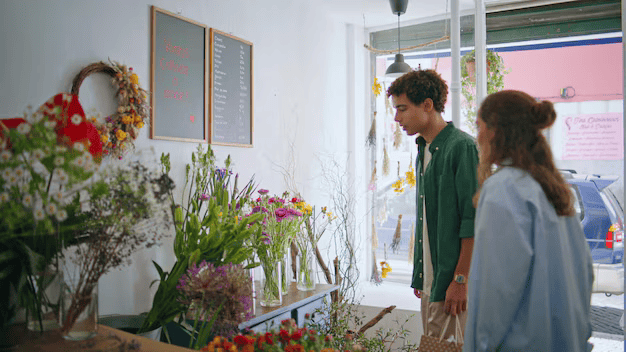
Decorating your home does not always require new furniture, expensive renovations or major changes. Sometimes, a few well-chosen pots, vases, plants and garden accessories can change how a room or outdoor space feels.
A large planter can bring life to an empty corner. A simple vase can add height and colour to a table. A group of smaller pots can soften a balcony, while an artificial plant can introduce greenery into a part of the home where live plants may be difficult to maintain.
The key is not to fill every available surface. Good decorating is often about choosing a few pieces that suit the scale, colours and everyday use of the space.
Start With the Space You Want to Improve
Before buying decorative pieces, look at the area you want to change.
Does an empty corner make the living room feel unfinished? Does a console table need height? Does the balcony feel bare? Is a shelf crowded with small objects but still lacking visual interest?
Identifying the problem first makes it easier to choose the right decoration.
It also helps prevent a common mistake: buying attractive objects individually and then struggling to find somewhere suitable for them.
Think about the furniture already in the space, the available floor or surface area, natural light, existing colours and how people move through the room.
The best decorative additions should feel as though they belong there rather than competing for attention.
Use Decorative Pots to Bring Empty Corners to Life
Empty corners are often ideal places for larger pots and plants.
A tall planter beside a sofa, near a window or in an entrance can create a focal point without requiring additional furniture.
For larger spaces, a single substantial pot may have more visual impact than several small containers scattered around the room.
Another option is to group two or three pots of different heights. Varying the height creates visual movement and prevents the arrangement from looking flat.
One larger piece can act as the visual anchor, while smaller pots support it.
Colour matters too.
In a neutral room, a textured or subtly coloured pot can add contrast. If the room already contains strong colours or patterns, simpler containers may create better balance.
The aim is not necessarily to match the furniture exactly. It is to choose pieces that feel connected to the surrounding room.
Match Pots and Vases to the Scale of the Room
Scale and proportion can make the difference between a decorative piece that feels intentional and one that looks out of place.
A very small pot can disappear visually beside a large sofa or in a spacious entrance hall. An oversized vase, on the other hand, may overwhelm a small coffee table.
Consider both the size of the decorative object and the space around it.
Large floor pots generally work well in open corners, entrances and beside substantial furniture.
Medium-sized planters can sit beside chairs, cabinets or balcony seating.
Smaller pots are better suited to shelves, desks and window ledges where they can be seen at closer range.
The same principle applies to vases.
Tall vases can work beautifully on console tables or open surfaces where there is enough visual space above them. Lower arrangements are usually more practical on coffee or dining tables, particularly when people need to see and talk across the table.
Instead of asking only, “Do I like this pot or vase?” also ask, “Is it the right size for where I want to put it?”
Use Vases as Decorative Objects — With or Without Flowers
A vase does not need fresh flowers to earn a place in a room.
Ceramic, glass, metal and textured vases can work as decorative objects in their own right. They can introduce colour, shape, height or texture to a shelf, table or sideboard.
Fresh flowers can bring seasonal colour and fragrance, while dried stems and decorative branches can create longer-lasting arrangements.
You can also leave a particularly attractive vase empty.
When choosing a vase, think about where it will be displayed before deciding on its height and shape.
A tall arrangement may work well on a console against a wall but become inconvenient in the centre of a dining table. A wide vase may suit a large sideboard but leave little usable space on a narrow shelf.
Grouping vases can also work, but avoid making every piece identical. Two or three objects with related colours or materials and different heights often look more natural than a perfectly matching row.
Make Artificial Plants Look More Natural
Artificial plants can be useful in spaces where maintaining live plants is difficult, including darker rooms, offices, high shelves and areas where regular watering is inconvenient.
The container plays an important role in how convincing the finished arrangement looks.
A large artificial tree placed in a very small or lightweight pot can look out of proportion and may also be unstable. Taller plants generally benefit from a container with enough visual and physical weight to balance them.
After positioning an artificial plant, reshape the stems and leaves rather than leaving them exactly as they arrived. Natural plants rarely grow in perfectly identical directions.
Where appropriate, decorative stones, bark or another suitable top dressing can help disguise an obviously artificial base.
Natural materials can also help artificial greenery blend into a room. Ceramic pots, woven baskets, wood and stone-like finishes can provide useful texture around artificial foliage.
Maintenance still matters.
Artificial leaves collect dust, which can quickly make them look dull and unrealistic. Regular light cleaning helps preserve their appearance.
Refresh Balconies and Outdoor Spaces Without Overcrowding Them
A balcony, patio or small garden can become more inviting with surprisingly few additions.
Start with how the space will actually be used.
If the balcony is primarily a place to sit, keep enough room around chairs and tables for people to move comfortably. If plants are the main feature, arrange them in groups rather than spreading individual pots across every available area.
Using different heights can create depth.
Taller plants can sit near walls or corners, while smaller containers can be placed closer to seating areas. Plant stands can introduce another level without consuming as much floor space.
In smaller areas, vertical space can be particularly useful. Wall-mounted or railing solutions may help where appropriate, provided they can be installed securely and safely.
For live plants, consider the amount of sunlight and exposure each location receives rather than positioning plants purely for appearance.
Wind also matters, particularly on exposed balconies. Tall plants and lightweight containers should be stable enough for the conditions.
Most importantly, leave room for watering, cleaning and movement.
A balcony should remain usable after it has been decorated.
Choose Indoor and Outdoor Containers Differently
A pot that works beautifully indoors may not necessarily be suitable for continuous outdoor use.
Indoor containers are often selected primarily for appearance, size, stability and how well they protect furniture or flooring.
Outdoor containers need additional consideration.
Depending on the location and material, they may be exposed to strong sunlight, rain, moisture and changing temperatures. Consider whether the container is intended for outdoor use and whether its finish will remain suitable under those conditions.
Drainage is particularly important for live plants.
Containers need an appropriate way to manage excess water. Indoors, this also means thinking about how water will be prevented from damaging furniture or floors.
Saucers, protective bases or suitable inner containers may be useful depending on the planter and plant.
For outdoor displays, consider the weight of larger pots as well. A substantial container may be more stable, but it can also become difficult to move once filled with soil.
Think about both appearance and practicality before planting.
Mix Colours, Materials and Textures Without Creating Clutter
A coordinated home does not require every pot and vase to come from the same collection.
In fact, too much matching can sometimes make a room feel staged rather than personal.
A better approach is to coordinate rather than match.
You can create a connection between different pieces by repeating one or two characteristics.
For example, several containers may have different shapes but share earthy colours.
Another arrangement may use different colours while repeating ceramic finishes.
Smooth pottery can sit beside woven textures. Clear glass can provide contrast against wooden furniture. Matte surfaces can be mixed with a small number of glossy pieces.
Shape can create variety as well. Round pots, narrow vases and wider bowls can work together when another element—such as colour or material—connects them.
If a display begins to feel cluttered, remove something.
Negative space is part of decorating too. Leaving breathing room around attractive objects often makes them more noticeable.
Decorate Around Your Lifestyle
A beautiful home still needs to work for the people who live in it.
If you have young children or pets, fragile floor-level ceramics may not be the most practical choice for busy areas.
Stable containers and less vulnerable positions can reduce the chance of accidental damage.
In narrow hallways and frequently used spaces, avoid decorations that reduce walking room or create unnecessary obstacles.
The same applies to tables.
A tall vase may look impressive but can become irritating if people constantly need to move it to talk, eat or work.
Think about how often an object will need cleaning or moving as well.
A collection of many small decorative pieces can look attractive initially but may require considerably more maintenance than one or two larger objects.
Good decorating should support everyday life rather than make it more difficult.
Think About Placement and Safety
Decorative objects should not obstruct doors, walkways, ventilation or frequently used storage areas.
Place heavy pots where they can be handled safely, especially if they may eventually need to be moved.
Fragile ceramics and glass pieces are generally better positioned away from the edges of busy surfaces.
Outdoor arrangements need additional thought. Containers in exposed areas should be stable, and any elevated or hanging items should be installed appropriately for the location.
When plants are placed near electrical equipment, furniture or sensitive flooring, consider how watering and drainage will be managed.
A decorative arrangement is more successful when it looks good without introducing unnecessary inconvenience or risk.
Keep Maintenance in Mind
Every decorative material needs some level of care.
Glass vases can show fingerprints and water marks easily.
Ceramic pieces may collect dust in textured surfaces and should be handled carefully when moved.
Artificial plants need periodic dusting, particularly when they have many leaves.
Outdoor containers may accumulate dirt or show the effects of weather over time.
Metal garden accessories may require additional care depending on their material, coating and exposure to moisture.
Live plants create their own maintenance requirements, including watering, drainage, soil care and occasional cleaning around containers.
Before creating a large display, consider how easy it will be to maintain.
A smaller arrangement that stays clean and attractive is often more successful than a complicated display that quickly becomes difficult to manage.
Simple Decorating Mistakes to Avoid
Even attractive individual pieces can create an awkward result when they are not considered as part of the wider space.
One common mistake is using too many small objects. A collection of tiny pots and accessories can make surfaces feel busy without creating a clear focal point.
Another is ignoring scale. Small decorations can become visually lost in large rooms, while oversized pieces can dominate compact spaces.
Matching everything too closely can also remove personality. Repeating selected colours, materials or textures is usually enough to create cohesion.
Placement matters too. A decoration that constantly needs to be moved because it blocks a walkway, dining table or working surface is probably in the wrong place.
For live plants, choosing a position purely for appearance without considering light and drainage can create maintenance problems.
Finally, avoid decorating every empty area simply because space is available.
Some empty space helps a room feel calm and allows the pieces you do choose to stand out.
Final Thoughts
Pots, vases, plants and garden accessories may be relatively small additions, but they can have a noticeable effect on how a home looks and feels.
The most successful arrangements are rarely about filling a room with decorative objects.
They come from understanding the space.
Consider scale before choosing a planter. Think about sightlines before placing a vase. Choose materials according to whether they will be used indoors or outside. Give artificial plants enough proportion and texture to feel integrated into the room. Keep balconies attractive without sacrificing the space needed to use them.
Above all, choose pieces that work with your home and your lifestyle.
Start with one corner, table, shelf or outdoor area rather than trying to change everything at once. A few carefully considered additions can introduce colour, texture and personality while allowing the space to remain comfortable, practical and distinctly your own.









Leave a Reply