






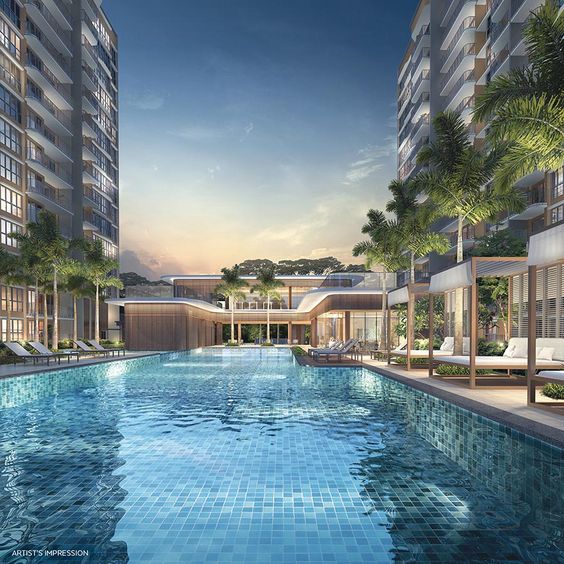
A swimming pool requires more than clean-looking water and an attractive design. Behind everyday use is a combination of equipment that supports circulation, filtration, water treatment, accessibility and routine maintenance.
Whether you manage a residential pool, hotel facility, sports club or institutional swimming pool, choosing the right equipment can influence operating costs, maintenance requirements and swimmer safety.
Swimming pool accessories, ladders, filtration systems and filters serve different purposes. Understanding how these components work together can help owners avoid incompatible purchases, unnecessary maintenance and preventable equipment problems.
This guide explains what to consider when selecting swimming pool equipment, how different filtration technologies compare and why water quality and safety should remain central to equipment decisions.
Essential Swimming Pool Equipment and Its Purpose
Every swimming pool has different requirements based on its size, design, location and frequency of use.
A small private pool may have relatively straightforward maintenance needs, while a hotel or public swimming facility may require more extensive circulation, monitoring and operational arrangements.
Common equipment categories include:
| Equipment | Main Function |
|---|---|
| Pool pumps | Move water through the circulation and treatment system |
| Pool filters | Remove suspended particles from circulating water |
| Skimmers and cleaning tools | Collect surface debris and support routine cleaning |
| Pool ladders and handrails | Provide designated access and exit points |
| Inlets, outlets and fittings | Direct water movement through the pool |
| Water testing equipment | Measure important water-quality parameters |
| Disinfection equipment | Support control of microorganisms when correctly operated |
| Pool covers | Reduce debris entry and, depending on design, evaporation and heat loss |
| Pool lighting | Improve visibility and support use where appropriate |
These components are interconnected.
For example, a filter cannot operate effectively without suitable water flow, while clear water does not necessarily mean that the pool has been adequately disinfected.
Equipment selection should therefore begin with the complete pool system rather than individual product specifications alone.
Choosing Swimming Pool Accessories for Maintenance and Safety
Swimming pool accessories help owners manage cleaning, usability and day-to-day operation.
However, not every accessory is necessary for every pool.
The right selection depends on actual maintenance needs and how the pool is used.
Pool Cleaning Equipment
Skimmer nets, brushes, vacuum equipment and automatic cleaners help remove visible debris from pool surfaces.
Leaves, dust and other material can accumulate even when the filtration system is operating correctly.
Regular physical cleaning reduces the amount of debris that must be managed by the circulation system.
Choose cleaning equipment that suits the pool’s surface material, dimensions and design.
For example, a brush suitable for one pool finish may be too abrasive for another.
Automatic cleaners should also be checked for compatibility with the pool’s plumbing and equipment.
Pool Covers
Pool covers can reduce debris entry and may help limit evaporation and heat loss.
Their performance depends on the cover’s material, design and installation.
A standard debris cover should not be treated as a safety cover.
Where drowning prevention is a concern, owners should use appropriately designed and certified safety systems that comply with applicable requirements.
Pool covers also require correct handling, maintenance and storage.
Pool Lighting
Underwater and surrounding-area lighting can improve visibility and usability.
Electrical safety is particularly important because lighting systems operate near water.
Use equipment designed for the intended pool environment and have electrical installations completed by appropriately qualified professionals.
Installation should comply with applicable electrical codes, grounding and bonding requirements, and manufacturer instructions.
Pool Fittings and Gratings
Inlets, outlets, grates and other fittings help manage water movement.
These components must be compatible with the pool’s circulation design.
Suction outlets and drain covers require particular attention because unsuitable, damaged or incorrectly installed components can create entrapment hazards.
Owners should not substitute ordinary fittings for safety-rated components.
Swimming Pool Ladders: Materials, Design and Installation
Swimming pool ladders provide designated entry and exit points.
Their design should reflect the pool structure, water depth, expected users and applicable safety requirements.
A ladder that fits physically may still be unsuitable if it cannot be securely anchored or does not provide adequate stability.
Material and Corrosion Resistance
Stainless steel is commonly used for swimming pool ladders because of its strength and corrosion-resistant properties.
However, stainless steel is not completely immune to corrosion.
Its performance depends on the material grade, water chemistry, environmental exposure and maintenance.
Pools exposed to salt-containing water or aggressive chemical conditions may require additional consideration of material suitability.
Ask suppliers to identify the material specification rather than relying on a general claim that a ladder is corrosion-resistant.
Steps and Handrails
Steps should provide appropriate footing, while handrails should offer secure support during entry and exit.
Consider the needs of children, older adults and swimmers with reduced mobility.
A conventional ladder may not provide suitable access for every user.
Depending on the facility, accessible steps, ramps, lifts or other arrangements may be necessary.
Anchoring and Installation
Ladders must be securely attached using appropriate mounting arrangements.
Installation requirements differ between in-ground, above-ground and other pool designs.
Follow the manufacturer’s specifications and have the installation assessed by a competent professional.
Inspection and Maintenance
Regular inspections should look for:
- Loose mounting points or fittings.
- Corrosion, cracking or surface damage.
- Worn or damaged steps.
- Unstable handrails.
- Sharp edges or exposed fasteners.
Damaged equipment should be taken out of use until it has been assessed and repaired or replaced.
How Swimming Pool Filtration Systems Work
A swimming pool filtration system helps remove suspended particles from circulating water.
In a typical arrangement, a pump draws water from designated collection points and moves it through the treatment system before returning it to the pool.
The exact sequence of components depends on the pool’s design.
Filtration helps manage particles such as dust, debris and other suspended material.
However, it does not reliably eliminate all disease-causing microorganisms.
Water disinfection, chemical balance, circulation and regular testing remain necessary.
Understanding Water Flow
Water flow is commonly expressed as a volume per unit of time, such as cubic metres per hour.
The required flow depends on factors including pool volume, expected bathing load, circulation design and applicable regulations.
A simplified calculation sometimes used during preliminary planning is:
Flow rate (m³/hour) = Pool volume (m³) ÷ Target turnover time (hours)
For example, a 60 m³ pool with a hypothetical six-hour turnover target would require a calculated flow of 10 m³/hour.
This is only an illustrative hydraulic calculation.
It is not a recommendation that every pool should use a six-hour turnover period.
The actual design must consider local requirements, hydraulic losses, filtration equipment ratings, circulation effectiveness and other engineering factors.
Why Pump and Filter Compatibility Matters
A pump and filter should not be selected independently.
A pump’s delivered flow depends on the resistance of the complete system, including pipework, fittings, valves and filter equipment.
A filter also has a manufacturer-specified operating range and maximum allowable flow.
Choosing a large pump without considering the filter’s rating can create excessive flow through the filter.
Conversely, an undersized pump or poorly designed plumbing arrangement may produce inadequate circulation.
The pump’s performance curve and the system’s estimated operating resistance should be reviewed together.
For commercial pools or complex installations, professional hydraulic design is advisable.
Sand vs Cartridge vs DE Pool Filters
Sand, cartridge and diatomaceous earth (DE) filters are widely used filtration technologies.
Each has different maintenance requirements, operating characteristics and installation considerations.
| Filter Type | How It Works | Maintenance Considerations |
|---|---|---|
| Sand filter | Water passes through a bed of filter media that captures suspended particles | Usually cleaned by backwashing, subject to manufacturer guidance |
| Cartridge filter | Water passes through a replaceable or reusable filtering element | Cartridge is removed and cleaned or replaced as required |
| DE filter | Uses diatomaceous earth as part of the filtering medium | Requires appropriate cleaning, media handling and replenishment |
Sand Filters
Sand filters use specially graded media to capture particles as water passes through the filter bed.
They are commonly used in residential and commercial pool applications.
Many designs are cleaned through backwashing, which reverses water flow to remove accumulated material.
Backwashing consumes water and creates wastewater that must be managed according to applicable requirements.
The filter media also requires periodic inspection and eventual replacement based on condition and manufacturer guidance.
Cartridge Filters
Cartridge filters use pleated or other filtering elements to capture suspended particles.
Cleaning typically involves removing the cartridge and following the manufacturer’s approved cleaning procedure.
Unlike many sand-filter arrangements, cartridge filters do not normally require routine backwashing.
However, the cartridges must be inspected for damage, deterioration and reduced performance.
Replacement frequency depends on the product, operating conditions and maintenance practices.
Diatomaceous Earth Filters
DE filters use a fine filtering medium associated with relatively fine particle removal.
They can be effective when correctly designed and maintained.
However, they require additional attention to media handling, cleaning and disposal.
Users should follow the manufacturer’s safety instructions and avoid inhaling DE dust.
Applicable rules for wastewater and filter media disposal should also be checked.
Which Filter Type Is Best?
No single filter type is ideal for every swimming pool.
The choice should consider:
- Required filtration performance.
- Pool size and usage.
- Available installation space.
- Water and energy consumption.
- Cleaning frequency.
- Replacement media or cartridge costs.
- Maintenance expertise.
- Local wastewater disposal requirements.
Comparing these factors is more useful than selecting a filter solely on its advertised particle-removal capability.
Matching Pool Pumps and Filters
One common purchasing mistake is choosing equipment based only on price or a general pool-size recommendation.
A reliable circulation system requires compatible components.
Check the Pump Performance Curve
Pump manufacturers typically provide performance information showing how flow changes with system resistance.
This helps determine whether a pump can deliver the required flow under actual operating conditions.
The highest advertised flow rate may not represent the flow achieved after installation.
Confirm the Filter’s Flow Rating
Every filter has operating limits.
The selected pump should not force water through the filter beyond its permitted operating range.
Excessive flow can reduce filtration effectiveness or create equipment problems.
Consider Plumbing Resistance
Pipe diameter, length, bends, valves and other fittings affect system resistance.
Poorly designed plumbing may reduce circulation efficiency and increase energy consumption.
Changes to existing equipment should therefore consider the entire hydraulic system.
Review Energy Consumption
Circulation pumps may represent a significant part of a pool’s operating energy use.
Variable-speed pumps can offer opportunities for energy savings in suitable systems, particularly when lower flow rates are appropriate for certain operating periods.
However, operating speeds must still satisfy filtration, treatment, heating, cleaning and applicable safety requirements.
Energy savings should not be achieved by compromising required circulation or water treatment.
Water Quality, Disinfection and Circulation Safety
Clean-looking water is not necessarily safe water.
Filtration removes particles, but effective pool management also requires appropriate disinfection, chemical balance and monitoring.
The Centers for Disease Control and Prevention explains that maintaining suitable disinfectant and pH levels is important for reducing the risk of recreational water illnesses.
Disinfection and Water Testing
Pool operators should use an appropriate disinfection system and test water according to the applicable operating requirements.
Important parameters may include disinfectant concentration, pH and other measurements relevant to the treatment system.
The required testing frequency depends on whether the pool is private or public, its usage and local regulations.
Public and commercial pools may have additional documentation and operational requirements.
Circulation and Water Distribution
Circulation should help distribute treated water throughout the pool.
Equipment sizing alone does not guarantee effective water distribution.
Inlet and outlet placement, hydraulic design and operating conditions all influence circulation.
Poorly circulated areas can contribute to uneven water quality.
Suction and Entrapment Hazards
Pool suction systems require particular attention.
Damaged, missing or unsuitable drain covers can create serious hazards.
The U.S. Consumer Product Safety Commission provides guidance through its Pool Safely programme on suction entrapment and other pool safety risks.
Owners should follow applicable local requirements and use appropriately rated components.
Never operate a pool with a known unsafe suction fitting.
Chemical Handling and Storage
Pool treatment chemicals should be stored and handled according to their labels and safety instructions.
Incompatible chemicals must not be mixed.
Staff responsible for commercial pool maintenance should receive suitable training.
Where chemical dosing systems are installed, maintenance and inspection should follow the equipment manufacturer’s requirements.
Maintenance and Long-Term Operating Costs
The purchase price is only one part of the cost of owning swimming pool equipment.
Energy consumption, water use, replacement parts and maintenance labour can influence long-term expenses.
Establish a Maintenance Schedule
A practical schedule should include inspections and servicing appropriate to the installed equipment.
Typical activities include:
- Checking pump and filter operating conditions.
- Monitoring filter pressure where applicable.
- Cleaning baskets and removing debris.
- Inspecting ladders, handrails and fittings.
- Testing and recording water-quality parameters.
- Checking for leaks, unusual noise or vibration.
- Servicing equipment according to manufacturer instructions.
Maintenance intervals should reflect pool usage, water conditions and equipment specifications.
Monitor Filter Pressure
Many filters use pressure gauges to help operators identify changes in resistance.
An increase in pressure may indicate that cleaning is needed, although interpretation depends on the filter design and operating conditions.
Some equipment problems may not produce a simple pressure increase.
Follow the manufacturer’s instructions rather than using one universal pressure threshold.
Consider Replacement Parts
Before purchasing equipment, check whether replacement seals, cartridges, fittings and other components are readily available.
An inexpensive product may become costly if parts are difficult to obtain.
Availability of technical support and maintenance documentation can also affect long-term reliability.
Plan for Water and Energy Use
Backwashing, evaporation, leaks and other factors can contribute to water consumption.
Pumps, heating systems and lighting contribute to electricity use.
Equipment choices should be evaluated in the context of the complete pool operation.
Common Swimming Pool Equipment Selection Mistakes
Avoiding common mistakes can help reduce unnecessary costs and operational problems.
Buying Equipment Based Only on Price
A lower purchase price does not necessarily mean lower lifetime cost.
Consider durability, maintenance, energy use, warranty terms and availability of replacement parts.
Choosing an Oversized Pump
A more powerful pump is not automatically better.
Oversizing may increase energy consumption and create compatibility issues.
Pump selection should reflect the required operating flow and system resistance.
Ignoring Pool Safety Requirements
Ladders, suction fittings, electrical equipment and access arrangements must be suitable for the installation.
Safety-critical components should not be chosen solely for appearance or convenience.
Assuming Filtration Replaces Disinfection
A filter may improve water clarity without adequately controlling microorganisms.
Appropriate disinfection and water testing remain essential.
Neglecting Manufacturer Instructions
Equipment should be installed, operated and maintained within its specified limits.
Improvised maintenance or incompatible replacement components can create avoidable problems.
Overlooking Commercial Pool Requirements
Hotels, clubs and institutional facilities may be subject to additional operating and safety rules.
Owners should verify applicable local requirements before selecting equipment or making major modifications.
Frequently Asked Questions
What Equipment Is Essential for a Swimming Pool?
Most pools require suitable circulation and filtration equipment, water treatment arrangements, cleaning tools and safe access provisions. Specific requirements depend on pool design, usage and applicable regulations.
How Do I Choose the Right Swimming Pool Filter?
Consider pool volume, required flow, filtration performance, maintenance requirements, installation space and operating costs. Confirm compatibility with the pump and plumbing system.
Are Sand Filters Better Than Cartridge Filters?
Neither is universally better. Sand filters commonly use backwashing, while cartridge filters generally require periodic removal and cleaning. The most suitable option depends on the pool and maintenance preferences.
Can a Swimming Pool Filter Remove Bacteria?
Filtration may remove some particles and microorganisms, but it should not be relied upon as a substitute for an appropriate disinfection system. Water testing and treatment remain necessary.
What Material Is Suitable for Swimming Pool Ladders?
Corrosion-resistant materials such as appropriate grades of stainless steel are commonly used. Suitability depends on water chemistry, environmental conditions, construction and maintenance.
How Often Should Pool Filters Be Cleaned?
Cleaning frequency depends on filter type, manufacturer instructions, operating conditions and pool usage. Pressure readings and other performance indicators can help guide maintenance where applicable.
Does a Larger Swimming Pool Pump Improve Filtration?
Not necessarily. A pump that delivers excessive flow may exceed the filter’s operating limits. Pump and filter selection should be based on the requirements of the complete circulation system.
What Should Commercial Pool Owners Consider?
Commercial operators should evaluate circulation design, water-quality monitoring, safety requirements, maintenance documentation, equipment reliability and applicable local regulations.
Conclusion
Choosing swimming pool equipment involves more than comparing product prices or individual specifications.
Accessories, ladders, pumps and filters all contribute to pool operation, but their effectiveness depends on appropriate selection, installation and maintenance.
Pool owners should pay particular attention to circulation performance, pump-filter compatibility, water treatment, safe access and long-term operating costs.
For hotels, clubs and institutional pools, professional design and compliance with applicable requirements are especially important.
A well-planned equipment system can make maintenance more manageable while supporting safer and more reliable pool operation.
The most useful purchasing decision is one based on the pool’s actual requirements, verified technical specifications and the ability to maintain the equipment properly over time.
References and Further Reading
- Centers for Disease Control and Prevention — Healthy Swimming — Guidance on pool water quality, disinfection and prevention of recreational water illnesses.
- CDC — Model Aquatic Health Code — Technical and operational guidance intended primarily for public aquatic facilities.
- U.S. Consumer Product Safety Commission — Pool Safely — Information about drowning prevention, suction entrapment and pool safety.
- Pool & Hot Tub Alliance — Industry standards, education and resources related to pool and hot tub design, construction and operation.
- DS Water Technology — Commercial Equipment Supplier — A commercial supplier listing swimming pool equipment and related products. Readers should confirm current specifications, installation requirements, warranties and product suitability directly with the supplier.
Editorial disclosure: DS Water Technology is included as a commercial supplier reference. Its inclusion does not constitute independent verification or endorsement of the company’s products, technical claims, safety performance or service quality. Equipment should be evaluated against applicable standards, manufacturer specifications and site-specific requirements.
Safety note: This article provides general educational information. Pool hydraulic systems, electrical installations, suction fittings and safety-critical components should be designed, installed and assessed by appropriately qualified professionals in accordance with applicable local requirements.









Leave a Reply