






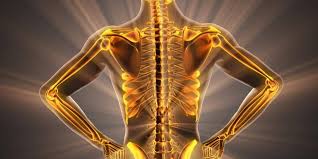
A weekend cricket match, an early morning run, a game of badminton with friends or a regular workout at the gym can be an enjoyable way to stay physically active. Unfortunately, even experienced athletes and people who exercise regularly are susceptible to injuries.
A misjudged landing can result in an ankle injury. Repeated bowling may cause shoulder discomfort, while increasing running distance too quickly can lead to persistent knee or shin pain. Some injuries occur suddenly, making it immediately apparent that something is wrong. Others develop gradually and may initially be dismissed as ordinary muscle soreness.
Knowing when to manage an injury at home and when to seek medical attention is an important part of staying active. While many minor sports injuries improve with appropriate care, others require professional assessment, structured rehabilitation or more specialised treatment.
Understanding the nature of an injury, recognising warning signs and allowing sufficient time for recovery can help prevent unnecessary complications and prolonged periods away from physical activity.
Understanding Sports Injuries
Sports injuries are physical injuries sustained during exercise, recreational activities, organised sporting events or athletic training.
Most musculoskeletal sports injuries affect the bones, muscles, joints, ligaments, tendons and other tissues responsible for movement and stability.
They are not limited to professional athletes. People who exercise occasionally, return to physical activity after a long break or participate in physically demanding recreational activities can also sustain injuries.
Several factors influence the likelihood of injury, including:
- Physical conditioning and muscular strength.
- Training frequency, duration and intensity.
- Previous injuries and incomplete rehabilitation.
- Exercise technique and sporting equipment.
- Playing surfaces and environmental conditions.
- Age, fatigue and underlying health conditions.
- Insufficient recovery between demanding activities.
Although an injury may appear to have a single cause, it often develops through a combination of factors. A runner experiencing knee pain, for example, may recently have increased their training distance while also dealing with inadequate recovery and reduced muscular strength.
Identifying these contributing factors is important because treating the immediate symptoms alone may not prevent the injury from recurring.
Acute Sports Injuries and Overuse Injuries
Sports injuries are broadly classified according to how they develop. Understanding the difference between sudden trauma and repetitive loading can help guide appropriate medical assessment.
Acute Sports Injuries
An acute injury occurs suddenly, usually following an identifiable incident such as a fall, collision, awkward landing or forceful movement.
Examples include rolling an ankle while playing football, falling onto an outstretched hand, dislocating a shoulder or injuring a knee while changing direction during a game.
Symptoms may include immediate pain, swelling, bruising and difficulty moving or using the affected area.
The absence of severe initial pain does not necessarily mean that the injury is minor. Some symptoms become more noticeable several hours after the incident.
Overuse Injuries
Overuse injuries develop when repeated physical loading exceeds the body’s ability to adapt and recover.
Unlike acute injuries, there may be no single incident that explains the onset of symptoms.
A badminton player may gradually develop elbow discomfort after repeated racket movements. A runner may experience increasing shin pain following a sudden increase in weekly mileage. A swimmer may notice shoulder pain that initially occurs only during longer training sessions.
These symptoms can become progressively worse if the underlying training demands remain unchanged.
| Characteristic | Acute injury | Overuse injury |
|---|---|---|
| Onset | Sudden | Usually gradual |
| Common cause | Fall, collision, twisting or excessive force | Repetitive loading and insufficient recovery |
| Symptoms | Pain, swelling, bruising or reduced function | Persistent discomfort, tenderness or activity-related pain |
| Examples | Fractures, sprains and dislocations | Tendinopathy and bone stress injuries |
| Management considerations | Assess immediate injury severity | Identify and modify contributing physical demands |
Both types of injury deserve attention. A gradually developing problem can be just as significant as an injury caused by sudden trauma.
Common Types of Sports Injuries
Different sporting activities place different demands on the body. Nevertheless, several categories of musculoskeletal injury occur across a wide range of sports.
Sprains
A sprain involves stretching or tearing a ligament, the connective tissue that helps stabilise a joint by connecting bones.
Ankle sprains are particularly common in activities involving jumping, running and sudden changes in direction. The knee, wrist and thumb may also be affected.
Symptoms can include swelling, bruising, tenderness and difficulty using the affected joint.
Severe sprains may result in significant instability or occur alongside fractures and other injuries. An apparently routine ankle sprain should not automatically be assumed to be harmless.
Muscle and Tendon Strains
A strain occurs when a muscle or tendon is overstretched or torn.
Hamstring strains are frequently associated with sprinting and activities requiring sudden acceleration. Calf strains, groin injuries and lower-back muscle strains can occur during running, weight training and other physically demanding activities.
The severity ranges from relatively minor tissue damage to substantial tears that impair movement.
Sudden pain accompanied by marked weakness or an inability to use the affected muscle warrants medical assessment.
Tendinopathy
Tendons connect muscles to bones and transmit the forces required for movement.
Tendinopathy refers to tendon-related pain and impaired function, often associated with repetitive loading.
Examples include Achilles tendinopathy in runners, patellar tendinopathy in jumping athletes and rotator cuff-related tendon problems in people who perform frequent overhead movements.
Symptoms may initially appear during exercise and improve with rest. As the condition progresses, discomfort can interfere with everyday activities.
Treatment often involves modifying aggravating activities and following an appropriately designed rehabilitation programme.
Tendon Ruptures
A tendon rupture involves a partial or complete tear of a tendon.
An Achilles tendon rupture, for instance, may occur during sudden acceleration, jumping or forceful movement. Some individuals describe feeling a sudden impact or snapping sensation around the back of the ankle.
A person with a ruptured tendon may still retain some movement, making self-diagnosis unreliable.
Suspected tendon ruptures require urgent medical assessment because delayed recognition can complicate treatment.
Fractures and Bone Stress Injuries
A fracture is a break in a bone. It may result from a direct impact, fall or twisting injury.
Bone stress injuries, including stress fractures, develop when repeated loading causes damage that exceeds the bone’s capacity to repair itself.
Runners and athletes who participate in high-impact activities may be particularly susceptible to bone stress injuries when training demands increase rapidly.
Persistent, localised bone pain should not be dismissed as ordinary muscle soreness. Early assessment is important because continued loading may worsen certain bone injuries.
Joint Dislocations
A dislocation occurs when bones forming a joint are displaced from their normal alignment.
Shoulders and fingers are among the joints that may dislocate during sporting activities.
Symptoms can include severe pain, visible deformity and loss of normal movement.
A suspected dislocation requires urgent emergency assessment. Attempting to force the joint back into position without appropriate medical training can damage surrounding nerves, blood vessels and other tissues.
Bursitis
Bursae are small, fluid-filled structures that reduce friction between tissues around joints.
Repeated pressure, direct trauma or excessive loading can irritate these structures, causing pain and swelling.
Bursitis may affect areas such as the shoulder, elbow, hip and knee.
A hot, red or increasingly swollen area accompanied by fever or chills requires urgent medical assessment because infection may also be responsible for the symptoms.
Knee Injuries in Sports and Exercise
The knee is a complex joint responsible for supporting body weight while allowing movement during walking, running, jumping and changes in direction.
Sports involving rapid acceleration, sudden stopping and rotational movement can place substantial demands on the knee’s supporting structures.
Anterior Cruciate Ligament Injuries
The anterior cruciate ligament, commonly known as the ACL, contributes to knee stability.
ACL injuries can occur during sudden direction changes, awkward landings or sporting collisions.
An injured person may experience a popping sensation, rapid swelling or a feeling that the knee is giving way.
Treatment depends on the severity of the injury, associated tissue damage, activity requirements and overall knee function.
Some individuals achieve satisfactory function through structured rehabilitation. Others may require surgical reconstruction following specialist assessment.
Meniscal Injuries
The menisci are fibrocartilage structures within the knee that help distribute loads and contribute to joint stability.
Meniscal injuries can occur during twisting movements, particularly when the foot remains planted while the body rotates.
Symptoms may include joint-line pain, swelling, catching sensations and difficulty fully bending or straightening the knee.
A knee that becomes physically locked and cannot move through its normal range requires prompt assessment.
Not every meniscal injury requires surgery. Treatment depends on the type of tear, symptoms, functional limitations and other clinical considerations.
Patellofemoral Pain
Pain around or behind the kneecap can affect runners, cyclists and people participating in activities involving repeated squatting or stair climbing.
Patellofemoral pain may be associated with changes in training demands, muscular function and movement patterns.
Treatment commonly focuses on exercise modification, appropriate strengthening and gradual restoration of physical capacity.
Persistent knee pain should be assessed rather than repeatedly managed with rest and pain-relieving medication alone.
Long-Term Knee Complications
Certain significant ligament, meniscal and cartilage injuries can increase the risk of developing post-traumatic osteoarthritis later in life.
However, developing arthritis is not an inevitable consequence of every knee injury.
Appropriate treatment, rehabilitation, weight management where relevant and maintenance of muscular strength may help preserve joint function.
Knee replacement is generally considered for advanced joint disease causing substantial pain and functional limitations when other appropriate treatments have provided insufficient relief. It is not a routine treatment for ordinary sports-related knee injuries.
Ankle, Shoulder and Elbow Injuries
Ankle Injuries
Ankle injuries frequently occur during running, jumping and sporting activities involving uneven surfaces or sudden direction changes.
Ankle sprains can range from minor ligament injuries to substantial tears associated with instability.
Pain around the ankle can also arise from fractures, tendon injuries and damage to other supporting structures.
Inability to bear weight, significant swelling or tenderness directly over a bone warrants medical evaluation.
Rehabilitation may include restoring movement, improving muscular strength and developing balance and coordination before returning to demanding activities.
Shoulder Injuries
The shoulder provides a wide range of movement, making it particularly important in swimming, cricket, tennis, badminton and weight training.
Repeated overhead movements can place considerable demands on the muscles and tendons that support and move the shoulder.
Common shoulder problems include rotator cuff-related pain, tendon injuries, joint instability and dislocations.
Persistent difficulty lifting the arm, significant weakness or pain that disrupts sleep should be evaluated by a healthcare professional.
Sudden inability to lift the arm following trauma requires more urgent assessment.
Elbow Injuries
Tennis elbow, also known as lateral elbow tendinopathy, causes pain around the outer part of the elbow.
Despite its name, it can affect people who do not play tennis. Repetitive gripping, lifting and wrist movements may contribute to the condition.
Golfer’s elbow affects structures around the inner part of the elbow and may arise through similar repetitive demands.
Treatment typically involves identifying aggravating activities and gradually improving the affected tissues’ capacity to tolerate loading.
Simply stopping exercise for a few days may provide temporary relief without addressing the underlying problem.
Recognising the Symptoms of a Serious Sports Injury
Pain is one of the body’s signals that something may be wrong. However, pain intensity alone does not reliably indicate the severity of an injury.
Some minor injuries are initially painful, while certain significant injuries may produce less dramatic symptoms.
Attention should also be paid to changes in movement, stability, strength and sensation.
Common warning signs include:
- Pain that is becoming progressively worse.
- Substantial swelling or bruising.
- Inability to use the injured limb normally.
- Difficulty standing or bearing weight.
- Repeated episodes of joint instability.
- Unexplained weakness or loss of normal movement.
- Persistent pain that interferes with sleep or everyday activities.
- Recurring symptoms whenever physical activity resumes.
These findings do not establish a specific diagnosis, but they indicate that further assessment may be necessary.
When a Sports Injury Requires Emergency Medical Attention
Some sports injuries require immediate hospital assessment rather than a scheduled appointment with an orthopaedic specialist.
Seek emergency medical care if an injury results in:
- A visibly deformed limb or joint.
- A suspected dislocation or open fracture.
- New numbness, loss of sensation or marked weakness following trauma.
- An injured limb becoming unusually cold, pale, blue or grey.
- Severe or rapidly escalating pain, particularly with tense swelling.
- Uncontrolled bleeding.
- Suspected spinal injury.
- Loss of consciousness or serious neurological symptoms following a head injury.
Severe pain with rapidly increasing swelling can indicate significant tissue damage or impaired circulation. In certain circumstances, it may be associated with acute compartment syndrome, a serious condition requiring emergency treatment.
Do not attempt to straighten a deformed limb, manipulate a suspected dislocation or repeatedly test the movement of a severely injured joint.
For emergencies in India, assistance can be requested through the national emergency response number, 112. Elsewhere, contact the relevant local emergency service.
Understanding the Appropriate Level of Medical Care
The following table provides general guidance based on symptoms rather than attempting to diagnose individual injuries.
| Symptoms or situation | Recommended action |
|---|---|
| Mild discomfort that steadily improves, without warning signs | Appropriate self-care and monitoring |
| Persistent pain that does not improve with initial care | Arrange a medical assessment |
| Recurring pain during exercise | Seek assessment before returning to demanding activities |
| Significant swelling, bruising or difficulty moving a joint | Seek urgent medical assessment |
| Inability to bear weight following trauma | Obtain same-day urgent medical assessment |
| Sudden painful popping sensation with weakness or instability | Obtain prompt medical assessment |
| A genuinely locked knee | Seek urgent medical assessment |
| Visible deformity or suspected dislocation | Seek emergency medical care |
| New numbness or a cold, discoloured limb | Seek immediate emergency medical care |
| Suspected concussion | Stop sporting activity and obtain medical assessment |
This guidance is intended to help readers recognise when professional care may be necessary. It cannot replace an individual clinical examination.
First Aid for Minor Sports Injuries
Suitable minor sprains and strains can often be managed initially with supportive care.
The traditional RICE method, consisting of rest, ice, compression and elevation, remains widely recognised. NHS guidance also incorporates protection, creating the PRICE approach.
These measures may help manage early discomfort and swelling during the first two to three days following an uncomplicated soft-tissue injury.
Protection
Stop the activity responsible for the injury.
Protect the affected area from additional physical stress. Depending on the injury, temporary support or assistance with walking may be appropriate.
If a serious injury is suspected, avoid unnecessary movement until medical assessment is available.
Relative Rest
Temporarily avoid activities that increase pain or stress the injured tissue.
Relative rest does not necessarily mean avoiding all movement. For uncomplicated injuries, appropriate gentle movement can gradually be introduced as symptoms permit.
Fractures, substantial ligament injuries and other serious conditions may require specific immobilisation or weight-bearing restrictions prescribed by a healthcare professional.
Ice
A cold pack can provide short-term relief from pain.
Wrap the pack in a towel or suitable cloth rather than placing it directly against the skin. Limit application to no more than 20 minutes at a time and allow the skin to return to its normal temperature between applications.
People with impaired sensation or circulation should seek medical advice before using cold therapy.
Ice should be regarded primarily as a symptom-management measure rather than a treatment that guarantees faster tissue healing.
Compression
An appropriate elastic bandage may help support an uncomplicated soft-tissue injury and manage swelling.
The bandage should not restrict circulation.
If compression causes new numbness, tingling, increasing pain, unusual coldness or changes in skin colour, loosen or remove it immediately. Persistent symptoms require urgent medical assessment.
Elevation
Where comfortable and appropriate, supporting the affected limb in a raised position may help reduce swelling.
An injured ankle, for example, can be supported on cushions while resting.
The PRICE approach is not suitable as the sole response to suspected fractures, dislocations, substantial tendon ruptures or injuries associated with emergency warning signs.
When to See an Orthopaedic Specialist
Not every sports injury requires specialist orthopaedic treatment.
A general practitioner, sports medicine physician or another suitably qualified healthcare professional can assess many common injuries and recommend further treatment where necessary.
Orthopaedic specialists may become particularly important when an injury involves structural damage, significant instability, persistent functional limitations or symptoms that have not responded to appropriate initial management.
Reasons for specialist assessment include:
- Persistent knee, shoulder, ankle or elbow pain.
- Suspected significant ligament or tendon injuries.
- Repeated joint instability or dislocation.
- Fractures requiring specialist management.
- Restricted movement following an injury.
- Symptoms that continue despite appropriate rehabilitation.
- Difficulty returning to employment, exercise or normal daily activities.
Consulting an orthopaedic specialist does not mean that surgery will necessarily be required.
Much of orthopaedic and sports medicine care involves non-surgical management, rehabilitation and helping patients understand the condition responsible for their symptoms.
How Sports Injuries Are Diagnosed
Accurate diagnosis is important because different injuries can produce similar symptoms.
For example, knee pain following a twisting incident may result from ligament damage, meniscal injury, bone injury or irritation of surrounding tissues.
Medical History and Physical Examination
A healthcare professional will typically ask how the injury occurred, when symptoms began and whether the affected area has previously been injured.
Training habits, changes in activity levels and existing medical conditions may also be relevant.
The examination may involve evaluating tenderness, swelling, movement, strength, joint stability, circulation and sensation.
Specific clinical tests may help determine whether particular structures are involved.
Imaging and Investigations
Not every sports injury requires an X-ray or advanced imaging.
The appropriate investigation depends on the clinical findings and whether additional information would influence treatment.
| Investigation | Common clinical purpose |
|---|---|
| X-ray | Assessment of suspected fractures and bone alignment |
| Magnetic resonance imaging (MRI) | Evaluation of selected ligament, tendon, cartilage and bone stress injuries |
| Ultrasound | Assessment of selected muscle, tendon and other soft-tissue conditions |
| Computed tomography (CT) | Detailed assessment of certain complex bone injuries |
A normal X-ray does not rule out every significant injury. Some stress fractures and soft-tissue injuries may require further investigation.
Similarly, an abnormality identified on an MRI scan does not necessarily explain every symptom.
Imaging findings should be interpreted alongside the patient’s medical history and clinical examination.
Treatment Options for Sports Injuries
Treatment depends on the type and severity of the injury, the patient’s general health, functional requirements and recovery objectives.
The immediate goal may be to protect damaged tissues and manage symptoms. Longer-term treatment focuses on restoring function and reducing the likelihood of reinjury.
Activity Modification
Reducing or temporarily changing activities that aggravate an injury is often an important first step.
A runner with an assessed overuse injury, for example, may need to reduce running distance or temporarily replace running with a suitable alternative activity.
The aim is to maintain appropriate physical activity without exposing injured tissues to demands they cannot yet tolerate.
Pain Management
Pain-relieving medication may be appropriate in certain circumstances.
However, medicines should not be used simply to suppress symptoms so that an individual can continue playing through an injury.
Anti-inflammatory medicines are not suitable for everyone, particularly people with certain kidney, gastrointestinal or cardiovascular conditions and those taking particular medications.
A doctor or pharmacist can advise on appropriate options based on individual circumstances.
Braces, Supports and Immobilisation
Selected injuries may benefit from temporary support using a brace, splint, sling or cast.
These devices can protect injured structures and limit movements that interfere with recovery.
The type and duration of support depend on the diagnosis. Unnecessary or prolonged immobilisation can contribute to stiffness and muscular weakness in some injuries.
Surgical Treatment
Surgery may be required for certain displaced fractures, significant tendon ruptures, unstable ligament injuries or other structural damage.
However, many musculoskeletal sports injuries can be managed successfully without surgery.
Decisions concerning surgical treatment should consider the expected benefits, potential risks, associated injuries, alternatives and individual functional requirements.
The Role of Physiotherapy in Sports Injury Recovery
Physiotherapy helps address the functional consequences of an injury and supports a safe return to physical activity.
Pain reduction is an important part of recovery, but the disappearance of pain does not necessarily mean that normal strength, stability or movement has returned.
A structured rehabilitation programme may address several areas.
Restoring Movement
Injury-related swelling, pain and periods of reduced activity can lead to stiffness.
Appropriately prescribed mobility exercises may help restore movement without placing excessive stress on recovering tissues.
The timing and permitted range of movement depend on the injury.
Rebuilding Muscular Strength
Muscles may become weaker during recovery, particularly after prolonged inactivity or immobilisation.
Progressive strengthening helps restore the capacity required for daily activities and sporting movements.
Exercises should be selected according to the injury and adjusted as physical capacity improves.
Improving Balance and Coordination
Ankle and knee injuries can affect balance, stability and the body’s awareness of joint position.
Rehabilitation may include exercises that restore coordination and improve control during walking, landing and changes in direction.
These activities can be particularly valuable before returning to sports involving rapid movement.
Addressing Contributing Factors
Treatment should also consider why the injury occurred.
An athlete with recurring shoulder pain may need to review training frequency and movement technique. A recreational runner may benefit from adjusting workload, improving strength or addressing previous rehabilitation deficiencies.
Successful rehabilitation involves more than treating the original site of discomfort.
Returning to Sport Safely After an Injury
One of the most common challenges during sports injury recovery is deciding when to resume normal activity.
People often feel ready to return once the pain has reduced. However, sporting movements generally require greater strength, speed and coordination than ordinary daily activities.
Walking comfortably does not necessarily establish readiness for sprinting, jumping or competitive badminton.
A return-to-sport plan should consider the following aspects of recovery.
| Recovery area | Factors to assess |
|---|---|
| Pain and swelling | Symptoms are controlled and do not increase substantially with appropriate activity |
| Joint movement | Sufficient movement for the intended sporting activity |
| Muscular strength | Adequate strength for sport-specific demands |
| Stability and balance | Ability to control movements without significant instability |
| Functional performance | Ability to complete relevant movements safely |
| Recovery following activity | No concerning deterioration during or after progressive loading |
| Confidence | Readiness to perform movements without excessive fear |
| Medical clearance | Professional approval where required |
Return to sport commonly progresses from everyday movements to general conditioning, controlled sport-specific exercises, practice sessions and eventually unrestricted participation.
The exact sequence depends on the injury and the demands of the sport.
An individual recovering from a major knee ligament injury will have substantially different requirements from someone recovering from a minor muscle strain.
No universal recovery timetable applies to every patient. Significant injuries should be assessed by appropriately qualified professionals before unrestricted sporting participation resumes.
Head Injuries and Other Sports-Related Emergencies
Although this guide primarily addresses musculoskeletal injuries, some sporting incidents involve serious conditions affecting other parts of the body.
Concussion
A concussion can result from an impact to the head or a force transmitted through the body.
Possible symptoms include headache, dizziness, nausea, confusion, memory difficulties and problems with balance.
A person does not need to lose consciousness to sustain a concussion.
Anyone with a suspected concussion should stop playing immediately, receive medical assessment and avoid returning to sport on the same day.
Emergency assessment is required if symptoms such as repeated vomiting, worsening headache, seizures, increasing confusion, significant weakness or difficulty remaining awake develop.
Returning to sport following concussion requires a separate, medically supervised progression rather than applying ordinary muscle or joint injury rehabilitation principles.
Suspected Spinal Injuries
Severe neck or back pain following a collision or fall, particularly when accompanied by neurological symptoms, may indicate a serious spinal injury.
Avoid unnecessary movement and seek emergency assistance.
Heat-Related Illness
Outdoor sporting activities in hot and humid conditions can increase the risk of heat-related illness.
Confusion, collapse or altered consciousness during exercise in hot conditions may indicate exertional heat stroke.
This is a medical emergency. Call emergency services and begin rapid cooling while assistance is being arranged.
Chest pain, severe breathing difficulties or unexplained collapse during exercise also require urgent emergency assessment.
How to Reduce the Risk of Sports Injuries
No training programme or piece of equipment can eliminate all sporting injuries.
Nevertheless, several practical measures can reduce avoidable risks and improve the body’s ability to tolerate physical demands.
Prepare the Body Before Exercise
A progressive warm-up allows the body to transition from rest to more demanding movement.
Depending on the activity, this may include light aerobic exercise, controlled joint movements and gradually increasing sport-specific actions.
A cricket player may benefit from progressively increasing throwing intensity, while a badminton player may prepare through controlled footwork and direction changes.
Stretching alone should not be regarded as a complete injury-prevention strategy.
Increase Training Demands Gradually
Rapid increases in exercise distance, intensity, frequency or duration can exceed the body’s capacity to adapt.
This is particularly relevant when returning to physical activity after illness, injury or an extended break.
A gradual approach allows muscles, tendons, bones and other tissues to adapt to increasing demands.
There is no single percentage increase appropriate for every person or sporting activity. Training progression should reflect individual conditioning, previous experience and recovery.
Develop Strength and Movement Control
Regular strength training can improve physical capacity and help prepare the body for sport-specific demands.
Depending on the activity, appropriate conditioning may address lower-limb strength, shoulder function, trunk stability, balance and coordination.
Structured exercise-based injury-prevention programmes can be valuable in sports involving jumping, landing and rapid direction changes.
Use Suitable Equipment
Footwear, protective equipment and sporting tools should be appropriate for the activity and individual requirements.
Worn shoes, unsuitable playing surfaces and incorrectly fitted equipment may contribute to unnecessary physical stress.
Protective equipment can reduce certain injury risks, but it does not provide complete protection or justify unsafe playing behaviour.
Allow Adequate Recovery
The body requires sufficient recovery between demanding physical activities.
Repeated intense exercise while fatigued may reduce coordination and compromise movement quality.
Training schedules should account for sleep, previous exertion, work commitments and existing symptoms.
Persistent pain, unusual fatigue or declining physical performance may indicate a need to review training demands.
Nutrition, Hydration and Sleep During Recovery
Physical recovery involves more than treatment of the injured area.
The body requires sufficient energy and nutrients to support tissue repair and maintain muscular function.
A balanced diet containing adequate protein, carbohydrates, healthy fats and essential micronutrients supports general health during rehabilitation.
Calcium and vitamin D are particularly relevant to bone health. However, supplementation should be based on individual requirements rather than assuming that every sports injury requires additional supplements.
Insufficient energy intake can also impair recovery and contribute to bone stress injuries. Athletes experiencing recurrent injuries, unexplained fatigue or menstrual changes may benefit from professional nutritional and medical assessment.
Adequate hydration supports normal physical function, while consistent, sufficient sleep contributes to recovery and general wellbeing.
Neither dietary supplements nor aggressive training schedules should be viewed as shortcuts to tissue healing.
People recovering from significant injuries may benefit from individual advice from a healthcare professional or qualified sports dietitian.
Sports Injuries in Children and Older Adults
Injuries in Children and Adolescents
Young athletes are still developing physically, and certain injuries can affect growth plates and areas where tendons attach to developing bones.
Persistent localised pain should not automatically be dismissed as growing pains.
Children may also continue participating despite discomfort because of competitive pressure or a desire to remain involved with their teammates.
Parents and coaches should pay attention to limping, reluctance to use a limb, recurring pain and changes in sporting performance.
Age-appropriate training, adequate recovery and professional assessment of persistent symptoms are important safeguards.
Injuries in Older Adults
Regular physical activity remains valuable throughout adulthood and later life.
However, individuals with osteoporosis, existing joint disease, reduced balance or certain chronic medical conditions may have different injury risks and recovery requirements.
A fall or relatively minor impact may cause a fracture in someone with reduced bone strength.
Persistent pain following a fall should therefore be assessed, particularly in individuals with known osteoporosis or other risk factors.
Appropriately adapted exercise and rehabilitation can help older adults maintain mobility, independence and physical confidence.
Frequently Asked Questions
How do I know whether my sports injury is serious?
Severe or worsening pain, significant swelling, inability to bear weight, marked weakness and substantial loss of movement warrant medical assessment.
Visible deformity, new numbness, impaired circulation or suspected major trauma require emergency attention.
The severity of an injury cannot always be determined from pain intensity alone.
Can I continue playing sport with mild pain?
New or unexplained pain arising during exercise should not be ignored. Stop the aggravating activity and assess how symptoms develop.
Certain diagnosed conditions may permit modified exercise under professional guidance, but continuing to play through an unassessed injury can worsen tissue damage.
How long does a sports injury take to heal?
Recovery depends on the affected tissue, severity of injury, overall health and treatment plan.
Minor soft-tissue injuries may improve within days or weeks, while significant ligament injuries, tendon ruptures and fractures may require several months of treatment and rehabilitation.
Functional recovery is more important than following an arbitrary timetable.
Is ice always necessary after a sports injury?
No. Cold therapy may help relieve pain following certain minor acute injuries, but it is not essential for every condition.
It should be used safely, with protection between the cold pack and skin, and should not replace medical assessment when serious injury is suspected.
Do all sports injuries require surgery?
No. Many sports injuries respond to non-surgical treatment, including activity modification, appropriate rehabilitation and temporary support.
Surgery is reserved for selected conditions where the expected benefits justify the procedure.
Should I see a physiotherapist or an orthopaedic specialist?
The appropriate professional depends on the nature of the injury.
Physiotherapists play an important role in restoring movement, strength and physical function. Orthopaedic specialists assess and manage structural musculoskeletal injuries and conditions that may require specialised treatment.
Suspected fractures, severe instability, tendon ruptures or emergency warning signs require appropriate medical assessment before routine rehabilitation.
Why does my sports injury keep returning?
Recurring injuries may be associated with incomplete rehabilitation, inadequate strength, excessive training demands, persistent structural problems or other contributing factors.
A comprehensive assessment can help identify why symptoms recur and establish an appropriate treatment programme.
Can sports injuries cause arthritis later in life?
Certain significant joint injuries can increase the risk of post-traumatic osteoarthritis.
However, not every sports injury leads to arthritis. The outcome depends on the nature of the injury, associated damage and other individual risk factors.
Appropriate treatment and rehabilitation can help preserve joint function.
Will a knee injury eventually require knee replacement surgery?
Most sports-related knee injuries do not require knee replacement.
Knee replacement is generally considered for advanced joint disease causing substantial pain and functional impairment after appropriate non-surgical options have provided insufficient relief.
When can I return to the gym after an injury?
Return to gym activities depends on the diagnosis and the demands of the proposed exercises.
Some individuals can maintain modified training while recovering, whereas others require temporary restrictions.
A healthcare professional or physiotherapist can help establish an appropriate progression following significant injury.
Conclusion
Sport and regular exercise offer substantial benefits for physical health, mental wellbeing and quality of life. Injuries, however, can interrupt these activities and occasionally create long-term problems if they are not managed appropriately.
Minor sports injuries may improve with short-term protection, appropriate symptom management and gradual rehabilitation. Persistent pain, recurring instability and significant restrictions in movement deserve professional attention.
Recognising emergency warning signs is equally important. Visible deformity, neurological symptoms, impaired circulation and serious head or spinal injuries require immediate medical assessment rather than waiting for a routine appointment.
Recovery should not end when the pain disappears. Restoring strength, mobility, coordination and confidence is essential before returning to demanding physical activities.
Different injuries require different approaches, and no universal recovery timetable applies to everyone. Appropriate assessment, patience and a well-planned rehabilitation programme can help people return to the activities they enjoy while reducing avoidable reinjury risks.
References and Further Reading
Independent medical and healthcare resources
-
National Institute of Arthritis and Musculoskeletal and Skin Diseases (NIAMS) — Sports Injuries: Diagnosis, Treatment, and Steps to Take. Information concerning sports injury assessment, treatment, rehabilitation and the role of healthcare professionals.
https://www.niams.nih.gov/health-topics/sports-injuries/diagnosis-treatment-and-steps-to-take -
National Health Service (NHS) — Sprains and Strains. Patient guidance concerning minor soft-tissue injuries, first aid and symptoms requiring urgent or emergency assessment.
https://www.nhs.uk/conditions/sprains-and-strains/ -
American Academy of Orthopaedic Surgeons (AAOS) — OrthoInfo. Patient education concerning musculoskeletal injuries, orthopaedic conditions and treatment options.
https://orthoinfo.aaos.org/ -
Centers for Disease Control and Prevention (CDC) — HEADS UP: Responding to a Sports-Related Concussion. Guidance concerning recognition, medical assessment and immediate response to suspected concussion.
https://www.cdc.gov/heads-up/response/index.html -
Centers for Disease Control and Prevention (CDC) — HEADS UP: Signs and Symptoms of Concussion. Information concerning concussion symptoms and emergency warning signs.
https://www.cdc.gov/heads-up/signs-symptoms/ -
Centers for Disease Control and Prevention (CDC) — Returning to Sports. Medical guidance concerning progressive return to sporting activities following concussion.
https://www.cdc.gov/heads-up/guidelines/returning-to-sports.html -
British Journal of Sports Medicine (BJSM). Peer-reviewed research concerning sports medicine, exercise-related injuries, rehabilitation and injury prevention.
https://bjsm.bmj.com/
Additional healthcare-provider resource
-
Jeshwanth Orthopaedics — Orthopaedic Specialist in Chennai. Additional information from a private orthopaedic healthcare provider concerning specialist consultation services. This resource is provided for further reading and does not constitute an independent clinical reference or endorsement.
https://jeshwanthortho.com/orthopaedic-specialist-in-chennai.php
Medical disclaimer: This article is intended for general educational purposes and does not replace professional medical diagnosis, personalised treatment or emergency medical care. Individuals experiencing persistent symptoms, significant injuries or emergency warning signs should seek appropriate medical attention.









Leave a Reply