






Introduction
Waste management isn’t merely about keeping the workplace clean. It shows that a business is responsible, efficient, and long-lasting. A lot of businesses assume that managing waste is hard, yet little improvements may make a tremendous impact. Changes that are quick and helpful might make waste management easier, save money, and make workers happier. Customers know which companies are good for the environment, and employers that care about the environment give their employees more influence. These things work together to make the office more productive and responsible, where trash is thrown away properly.
Minimize Single-Use Items
Disposable cups, plastic cutlery, and packaging make up much of workplace waste. Businesses may quickly reduce waste in dumpsters by utilizing these less. Making workers use reusable coffee mugs, water bottles, and food containers is a little adjustment that pays out big time.
Replace throwaway kitchen goods with durable ones to aid this endeavor. Offices with ceramic cups, stainless steel cutlery, and glasses normalize eco-friendly behavior’s. This reduces waste and makes personnel more mindful of what they toss out. Skip Hire Aughton provides a simple solution for managing office and household waste efficiently.
Implement Regular Waste Audits
A waste audit can reveal what and how much is being thrown away. Regular audits help offices identify the main sources of general waste so they can address them immediately. Simple as going through bins for a week and grouping everything you discover.
Audits help provide particular, effective remedies rather than broad ones. If paper is the predominant waste, a digital-first approach would work quickly. If packing is the major issue, working with suppliers to reduce wrapping might reduce waste at the source. Regular audits ensure the office knows its operations and can adjust its strategies.
Encourage Paperless Practices
Office waste is mostly paper, but modern technology provides alternatives. Digitizing papers reduces printing and filing, which reduces waste. Digital meeting notes, e-signatures, and cloud storage simplify paperless work, saving space and resources.
Double-sided printing and smaller fonts save paper. Monitoring printing habits prevents people from printing unnecessary pages, which helps offices use paper more responsibly. Going paperless saves money on materials, storage, and waste over time.
Create a Food Waste Management Plan
Food waste from office kitchens is mostly dumped in dumpsters. A food waste management strategy composts organic waste instead of landfilling it. Compost bins in the kitchen let staff dispose of food scraps responsibly.
Offices may decrease food waste by promoting meal planning and smart shopping. Giving employees refrigerators and storage space lets them preserve leftovers, while donation programs give surplus food to local groups. A well-planned food waste strategy reduces workplace food waste and makes it more ecologically friendly.
Partner with Professional Waste Management Services
Professional waste haulers can help offices reduce waste rapidly with personalized solutions. These companies have the expertise to properly handle recyclable and organic waste. Working with a reliable company ensures legal waste disposal.
Staff who struggle to sort and discard items are relieved by this arrangement. Many companies show offices their impact with collection schedules, reports, and recycling data. Working with professionals shows your commitment to waste reduction and ensures resources are handled appropriately.
Educate and Involve Employees
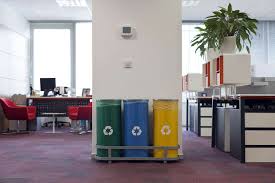
Waste management works best when personnel participate. Educational programs, reminders, and visual instructions teach staff what belongs in each container and why waste separation is crucial. Open talks allow employees to contribute ideas, making them feel like part of the solution.
Care for sustainability makes employees behave better and hold each other accountable. Teams can recruit new members by receiving recognition and prizes for waste reduction. The workplace develops a culture of waste reduction, which yields long-term results.
Invest in Reusable Office Supplies
Many companies don’t understand how much stationery and office supplies go to waste. Short-lived pencils, binders, and notepads pile up rapidly. Refillable pens, reusable folders, and erasable whiteboard notebooks reduce general bin waste.
Reusable items endure longer than single-use ones, making this strategy cost-effective. Supplies become precious to employees instead of being disposable. This promotes material respect. Small supply changes add up to substantial waste reductions over time.
Conclusion
Quick general waste solutions make offices clean and demonstrate responsibility, efficiency, and environmental awareness. Food waste efforts, paperless practices, and waste stations, together with changes in attitude surrounding buying items and staff involvement, may dramatically reduce office waste container use. These initiatives assist the environment and increase workplace awareness and cooperation. Waste management may be improved with determination, education, and a desire to change.









Leave a Reply