






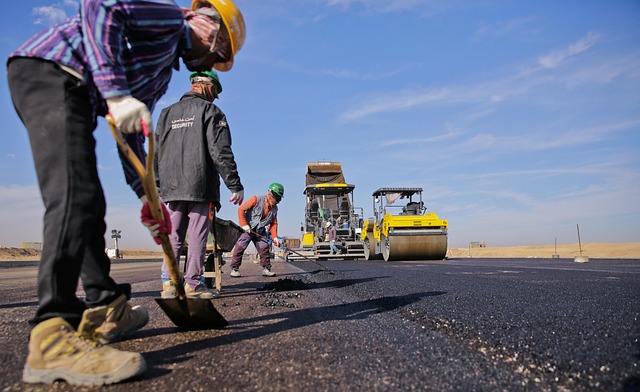
Asphalt is one of the most widely used materials for paving roads, driveways, and parking lots due to its durability, cost-effectiveness, and smooth finish. However, like any surface exposed to traffic and weather, asphalt requires ongoing maintenance to maximize its lifespan. Paving establishes the foundation, while sealcoating protects and preserves it. Together, these processes form a complete lifecycle approach to asphalt care, ensuring surfaces remain functional, safe, and visually appealing for years.
The Role of Asphalt Paving
Asphalt paving is the initial step in creating a strong and reliable surface. It involves preparing the base, applying layers of asphalt, and compacting them to achieve a smooth finish. The thickness of the asphalt layer depends on the type of project, with residential driveways requiring less depth than commercial parking lots or highways. Proper paving ensures that the surface can withstand traffic loads, resist water infiltration, and provide a stable foundation for long-term use.
Quality paving is critical because it sets the stage for future maintenance. If the base is poorly prepared or the asphalt is applied incorrectly, cracks and potholes will develop quickly. Investing in professional paving services reduces the risk of premature deterioration and minimizes the need for costly repairs.
Sealcoating as Protective Maintenance
Sealcoating is the process of applying a protective layer over the asphalt surface. This coating acts as a barrier against water, oils, UV rays, and other elements that can weaken asphalt over time. Without sealcoating, asphalt is vulnerable to oxidation, which causes it to become brittle and prone to cracking.
Sealcoating not only extends the life of asphalt but also enhances its appearance. The dark, uniform finish restores the surface to a like-new condition, improving curb appeal for residential properties and presenting a professional image for businesses. Regular sealcoating, typically every two to three years, is an essential part of asphalt maintenance.
Lifecycle Maintenance Strategy
The complete lifecycle of asphalt care involves a combination of paving, sealcoating, and routine inspections. After initial paving, the surface should be monitored for signs of wear such as small cracks or fading. Sealcoating is then applied to protect against environmental damage and slow the aging process.
Over time, minor repairs such as crack filling or patching may be necessary to prevent small issues from becoming larger problems. Eventually, resurfacing may be required, where a new layer of asphalt is applied over the existing surface. This extends the life of the pavement without the expense of full replacement. By following this cycle of paving, sealcoating, and maintenance, property owners can maximize the value of their investment.
Climate and Usage Considerations
The effectiveness of asphalt maintenance depends on climate and usage. In regions with extreme temperatures, freeze-thaw cycles can accelerate cracking, while hot climates may cause softening and rutting. High-traffic areas such as commercial parking lots require more frequent maintenance than residential driveways. Sealcoating schedules and repair strategies should be tailored to these conditions to ensure optimal performance.
Conclusion
Executive asphalt paving and sealcoating together form a comprehensive approach to surface maintenance. Paving establishes a durable foundation, while sealcoating protects against environmental damage and preserves appearance. When combined with routine inspections and timely repairs, this lifecycle strategy ensures that asphalt surfaces remain strong, safe, and attractive for decades. For homeowners and businesses alike, investing in professional paving and sealcoating services is not just about immediate results—it is about long-term durability and cost savings.



Leave a Reply