






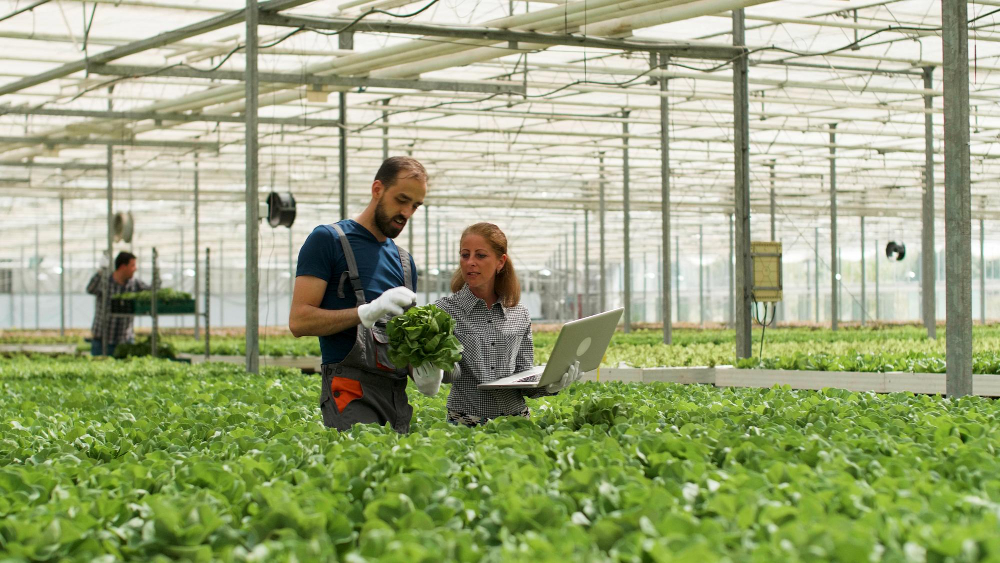
Agriculture has always been the backbone of human civilization, but with the growing global population and increasing demand for food, traditional farming methods are no longer sufficient. Technology is stepping in to bridge this gap, and one of the most transformative innovations in recent years is the Internet of Things (IoT). By integrating smart devices, sensors, and data analytics, IoT is reshaping the way farmers manage crops, monitor resources, and improve productivity.
What is IoT in Agriculture?
IoT in agriculture refers to the use of connected devices and sensors that collect and analyze data in real time. These devices are deployed across farms to monitor environmental conditions such as soil moisture, temperature, humidity, and crop health. The collected data is then processed through cloud-based systems, enabling farmers to make informed decisions.
An IoT development company plays a crucial role in designing and implementing these smart systems, ensuring seamless connectivity between devices and efficient data processing for better farm management.
Key Components of Smart Farming
1. Smart Sensors
Sensors are the foundation of IoT in agriculture. They are used to gather data about soil conditions, weather patterns, and crop health. These sensors help farmers understand exactly what their crops need, reducing guesswork and increasing efficiency.
2. Connectivity
IoT devices rely on wireless communication technologies such as Wi-Fi, LoRa, or cellular networks to transmit data. Reliable connectivity ensures that data is delivered in real time, enabling quick decision-making.
3. Data Analytics
The real power of IoT lies in data analysis. Advanced analytics tools process the collected data and provide actionable insights. Farmers can predict weather changes, detect diseases early, and optimize irrigation schedules.
4. Automation Systems
Automation allows farmers to control irrigation systems, machinery, and even drones remotely. This reduces manual labor and ensures precise application of resources.
Benefits of IoT in Agriculture
Improved Crop Yield
By monitoring environmental conditions and responding in real time, farmers can create optimal growing conditions for crops. This leads to higher yields and better quality produce.
Efficient Resource Management
Water scarcity is a major concern in agriculture. IoT systems enable precise irrigation, ensuring that crops receive the right amount of water at the right time. This not only conserves water but also reduces costs.
Reduced Operational Costs
Automation and real-time monitoring reduce the need for manual labor and minimize wastage of resources such as fertilizers and pesticides.
Early Detection of Issues
IoT systems can detect signs of disease, pest infestations, or nutrient deficiencies early. This allows farmers to take corrective actions before the problem escalates.
Challenges in Implementing IoT in Agriculture
Despite its advantages, IoT adoption in agriculture comes with challenges:
High Initial Investment
Setting up IoT infrastructure can be expensive, especially for small-scale farmers. The cost of sensors, connectivity, and software can be a barrier.
Connectivity Issues
Rural areas often lack reliable internet connectivity, which is essential for IoT systems to function effectively.
Data Security
With large amounts of data being transmitted and stored, ensuring data security and privacy is a significant concern.
Technical Knowledge
Farmers need training to understand and use IoT systems effectively. Without proper knowledge, the benefits of IoT cannot be fully realized.
Applications of IoT Devices in Agriculture
There are numerous practical applications of IoT devices in agriculture, transforming traditional farming into smart farming:
- Precision Farming: Sensors provide detailed insights into soil and crop conditions, enabling precise farming techniques.
- Smart Irrigation: Automated irrigation systems adjust water supply based on real-time data.
- Livestock Monitoring: Wearable devices track the health and location of animals.
- Greenhouse Automation: IoT systems control temperature, humidity, and lighting inside greenhouses.
These applications demonstrate how technology is making farming more efficient, sustainable, and profitable.
Future Trends in Smart Agriculture
The future of agriculture is closely tied to technological advancements. Here are some trends shaping the industry:
Integration with AI and Machine Learning
Artificial Intelligence (AI) and Machine Learning (ML) are being integrated with IoT to provide predictive analytics. These technologies can forecast crop yields, detect diseases, and optimize farming practices.
Use of Drones
Drones equipped with cameras and sensors are being used for crop monitoring, spraying pesticides, and mapping fields.
Blockchain for Transparency
Blockchain technology is being used to improve transparency in the agricultural supply chain, ensuring traceability of products from farm to table.
Sustainable Farming Practices
IoT is enabling sustainable farming by reducing resource wastage and minimizing environmental impact.
Conclusion
IoT is transforming agriculture into a smart, data-driven industry. By leveraging connected devices, real-time monitoring, and advanced analytics, farmers can improve productivity, reduce costs, and ensure sustainable farming practices. While challenges such as high costs and connectivity issues remain, ongoing technological advancements are making IoT more accessible and efficient.
As the world continues to face food security challenges, the adoption of IoT in agriculture will play a critical role in meeting global demands. Smart farming is no longer a concept of the future—it is a reality that is reshaping the agricultural landscape today.



Leave a Reply