






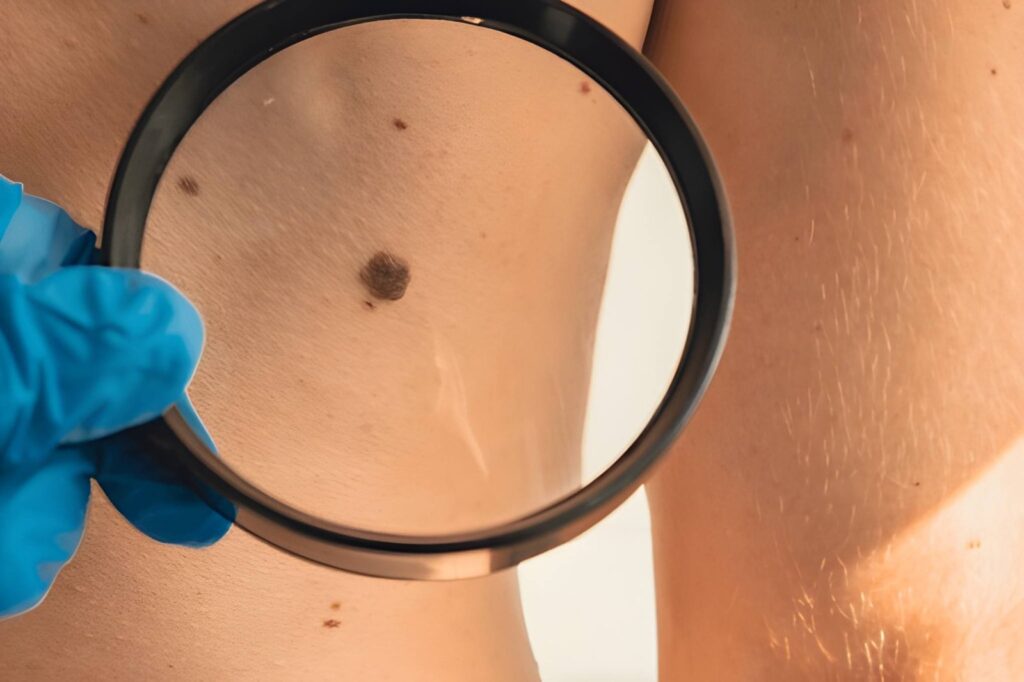
Moles are a natural part of the skin and appear as small, pigmented spots or growths. They can be flat or slightly raised and may vary in colour from light brown to darker shades. Most people develop moles during childhood or early adulthood, and many remain unchanged for years.
In most cases, moles are harmless and do not cause discomfort. Because they are so common, people often overlook them unless they become more noticeable. However, paying attention to your skin is still important, even when everything seems normal.
When a Mole Is Usually Not a Concern
Moles are a natural part of the skin and appear as small, pigmented spots or growths. Most people develop moles during childhood or early adulthood, and many remain unchanged for years.
In most cases, moles are harmless and do not cause discomfort. Because they are so common, people often overlook them unless they become more noticeable. However, paying attention to your skin is still important, even when everything seems normal.
Checking your skin routinely can help you notice any changes early. Even subtle differences over time can provide useful clues about your skin’s health. Being observant does not mean being worried; it simply helps you stay informed.
If you ever feel unsure, a quick check at a dermatology clinic can provide clarity. Professional evaluation ensures that what appears harmless truly is, and helps you avoid unnecessary stress.
Signs That a Mole May Need Medical Check
Certain changes in a mole should always be taken seriously. If a mole begins to grow, develops uneven borders, or changes colour, it is important to have it examined by a specialist.
Other warning signs include itching, bleeding, crusting, or discomfort in the area. A mole that looks very different from others on your body may also require closer attention.
Dermatologists often use the ABCDE guideline to assess moles:
Asymmetry: One half of the mole does not match the other, which can indicate irregular growth patterns.
- Border: The edges may appear uneven, blurred, or jagged rather than smooth and well-defined.
- Colour: Variations in colour, such as multiple shades within the same mole, can be a sign that needs evaluation.
- Diameter: A mole that becomes larger over time or exceeds a typical size may require further assessment.
- Evolving: Any noticeable change in size, shape, colour, or sensation over time should never be ignored.
These signs do not always indicate a serious condition, but they do signal the need for professional advice.
Why Professional Evaluation Is Important
Seeking expert evaluation is one of the safest steps you can take if you notice changes in a mole. A trained dermatologist can examine the skin carefully and determine whether the mole is harmless or requires further investigation.
Professional assessment provides several advantages:
- Early identification: Detects potential concerns at an early stage, making treatment simpler and more effective.
- Detailed examination: Uses trained observation and clinical tools to assess the mole more accurately than self-checks.
- Personalised guidance: Recommendations are based on your specific skin type and the behaviour of the mole.
- Reassurance: Helps remove uncertainty and gives you confidence about your skin health.
This approach ensures that you are not relying on guesswork when it comes to your health.
When Removal Becomes Necessary
Not all moles need to be removed, but in some cases, removal becomes the best option. If a mole shows unusual changes, causes discomfort, or continues to grow, your doctor may recommend removing it.
Some individuals also choose removal for cosmetic reasons, especially when the mole is in a visible area and affects confidence.
After understanding their options, many people begin exploring a mole removal clinic to learn about safe and effective procedures available to them.
Modern treatments are designed to be quick and minimally invasive, offering both medical safety and good cosmetic results.
What Happens During Mole Removal
Mole removal is typically a simple outpatient procedure. The area is numbed using local anaesthesia, ensuring that the process remains comfortable.
Depending on the type of mole, the dermatologist may use surgical excision or another suitable method. The goal is to remove the mole completely while protecting the surrounding skin as much as possible.
The procedure usually takes a short time, and patients can return home the same day without major disruption to their routine.
As one specialist puts it:
“A small check today can prevent bigger concerns tomorrow.”
Recovery and Aftercare
Healing after mole removal is generally smooth and manageable. The treated area may appear slightly red or sensitive at first, but this usually improves within a few days.
Following proper aftercare can support better healing and reduce the chance of visible marks:
- Keep the area clean: Maintaining hygiene helps prevent infection and supports natural healing.
- Protect from sunlight: Avoiding direct sun exposure reduces the risk of darkening or scarring.
- Avoid touching the area: Letting the skin heal naturally prevents irritation or delayed recovery.
- Follow medical advice: Adhering to professional guidance ensures the best possible results.
Most people recover within a short period and can return to their daily activities quickly.
Why Early Action Matters
Delaying a medical check for a changing mole can sometimes lead to unnecessary complications. Early evaluation allows for simpler treatment and more predictable outcomes.
When moles are assessed early, procedures are often less complex, recovery is quicker, and stress is reduced. Acting at the right time is about being proactive rather than reactive.
FAQs
Is it necessary to check moles even if they don’t hurt?
Yes, pain is not always a sign of a problem. Even painless moles can require medical attention if their appearance changes.
What should I do if I’m unsure about a mole?
If you are uncertain, it’s best to have it examined by a dermatologist rather than trying to assess it yourself.
Are certain people more likely to need mole checks?
People with many moles, lighter skin tones, or frequent sun exposure may need to monitor their skin more carefully.
Can lifestyle habits affect moles?
Yes, factors like excessive sun exposure can influence how moles develop or change over time.
Conclusion
Moles are a normal part of the skin, but paying attention to their behaviour is essential for long-term skin health. While many remain harmless, changes in appearance should never be overlooked.
Knowing when to seek a medical check allows you to take a proactive approach rather than waiting for concerns to grow. Early evaluation not only simplifies treatment if needed but also provides reassurance and clarity.
By staying observant and consulting a professional when necessary, you can make confident decisions about your skin and maintain both your health and peace of mind.



Leave a Reply