






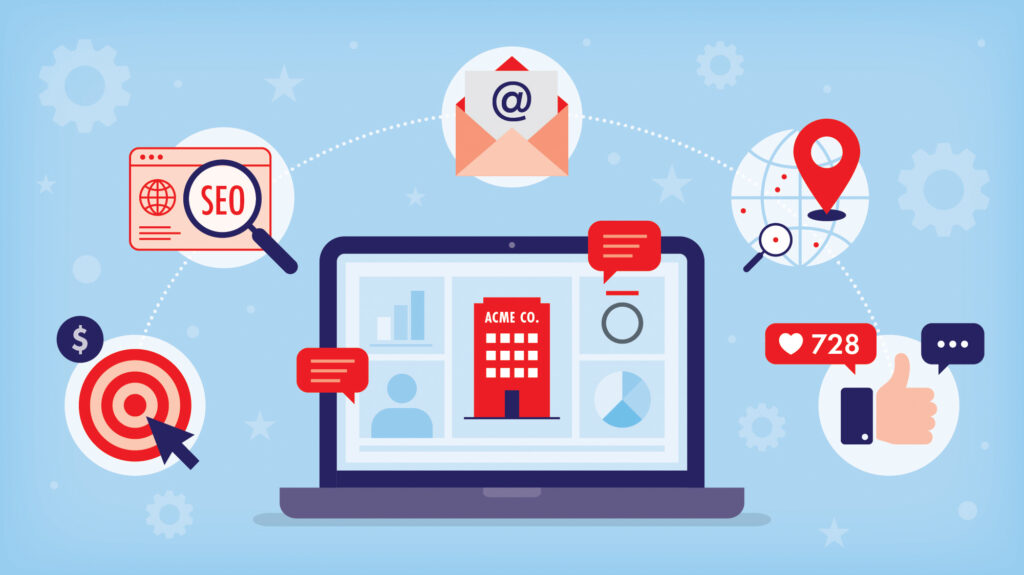
Local business owners and lean marketing teams often hit the same wall: small business marketing challenges pile up while time and attention get tighter. Even strong products can blend into the background when capturing consumer attention starts to feel like shouting into noise. The result is a familiar rut of creative marketing struggles, where posts look like everyone else’s and promotions stop sparking real curiosity. The goal isn’t louder marketing, it’s maintaining marketing relevance and engaging target audiences with ideas that feel fresh, consistent, and doable.
Understanding Creative Marketing Strategies
Creative marketing strategies are planned ways to present your offer with a fresh angle, not random bursts of inspiration. They combine clear goals, audience insight, and a consistent creative choice, like a theme, format, or story. Many teams see that creative marketing strategies can outperform routine tactics when creativity is treated like a process.
This matters because creativity helps people remember you and talk about you, even when your budget is small. Think of it like cooking with a signature spice blend. You are not inventing a new recipe every day, you are making familiar meals taste distinct. In marketing, that might mean turning the same weekly promo into a short story, a challenge, or a playful visual series. That repeatable approach gets even easier with pixel-art and other nostalgic design choices.
Add Playful Retro Visuals to Make Campaigns Pop
Once you’ve got the basics of creative marketing down, a quick way to make your message feel fresh is to change the visual language people see first. Retro-inspired visuals, especially pixel art, add instant personality and a sense of fun to small business marketing. That throwback look can stop the scroll on social media, make event promotions feel more memorable, and give special campaigns a playful “limited-time” vibe. It also taps into nostalgia: customers may not just notice the post, they’ll feel something familiar, which can make your brand easier to remember.
The best part is you don’t need a professional designer to try it. AI-powered tools can help you create retro-style icons, characters, or scene elements quickly and affordably, so you can experiment without a big time or budget commitment; to learn more, check out Adobe Firefly’s pixel art generator.
Idea → Build → Launch → Learn (Repeat Weekly)
A simple rhythm keeps creativity from turning into a one-off burst.
| Stage | Action | Goal |
| Listen | Review comments, FAQs, sales notes, and customer objections | One clear insight to guide the next message |
| Shape | Pick one theme, one offer, and one visual style | A focused concept you can explain in one sentence |
| Build | Draft copy, create visuals, and prepare one primary CTA | Assets ready for posting, printing, or emailing |
| Launch | Publish, send, or post on a consistent day and time | The campaign goes live with minimal friction |
| Learn | Track 2 to 3 metrics and note customer responses | Keep what works, drop what distracts |
Listening feeds shaping, shaping makes building faster, and launching on a schedule builds trust with your audience. The learning step closes the loop so each cycle gets lighter and more effective over time.
Creative Marketing Loop: Quick Action Checklist
This checklist turns scattered inspiration into clear, repeatable action you can actually finish. Use it to refresh your marketing without losing your voice or your time.
- Collect one real customer question to spark your next message
- Choose one campaign angle and write it in a single sentence
- Create one bold visual style to carry across every asset
- Draft one headline, one hook, and one simple call to action
- Pick one channel and one posting day you can maintain
- Add one low-effort creative twist like a poll or behind-the-scenes clip
- Review three signals: clicks, replies, and sales conversations
Finish one pass today, then make the next one easier.
Sustain Creative Marketing With Small Experiments That Compound
Keeping marketing fresh while running a small business can feel like a choice between staying consistent and trying something new. The way through is sustaining creative marketing efforts as a habit: a simple loop of testing, listening, and refining that keeps embracing innovation in marketing practical and on-brand. Over time, those small, repeatable experiments build confidence, deepen long-term audience relationships, and stack up real marketing creativity benefits. Creativity works best when it’s a steady practice, not a one-time campaign.









Leave a Reply