






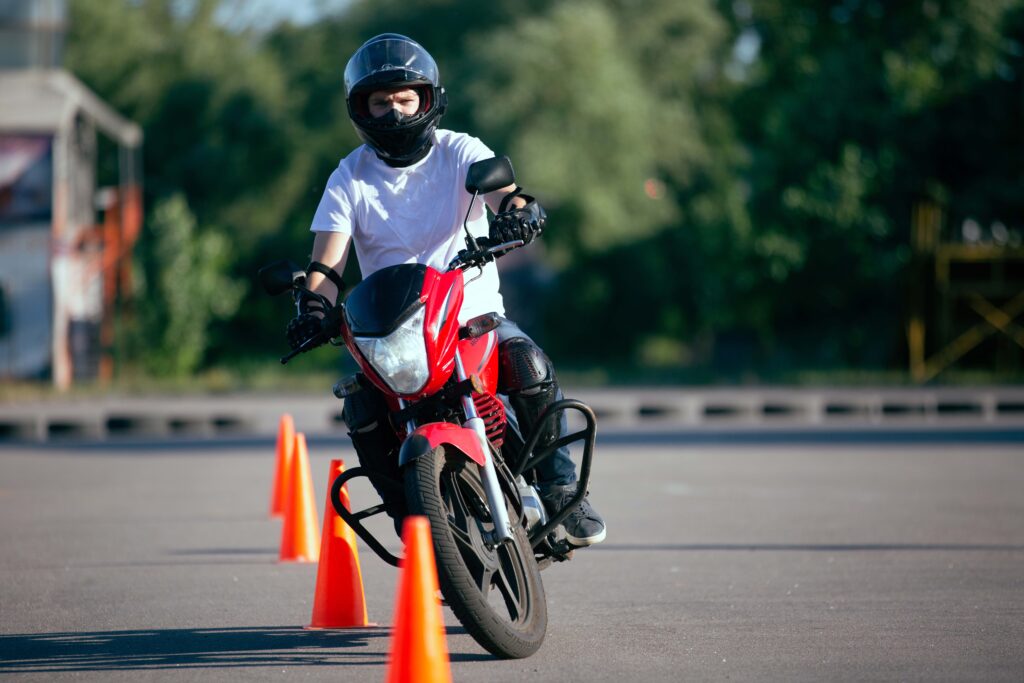
Riding a motorcycle can be an exciting and rewarding experience. It offers freedom, convenience, and a unique connection with the road that many riders find unmatched. However, motorcycles also require a higher level of awareness and responsibility compared to most other vehicles. Because riders are more exposed to their surroundings, even minor mistakes can lead to serious consequences.
This is why defensive riding is one of the most important skills every new motorcyclist should develop. Defensive riding involves anticipating potential hazards, staying alert to changing conditions, and making decisions that reduce risk on the road. Rather than simply reacting to situations, defensive riders actively work to avoid dangerous scenarios before they occur.
For beginners, learning these techniques early can help build confidence and contribute to a safer riding experience.
What Is Defensive Riding?
Defensive riding is a proactive approach to motorcycle safety. It focuses on anticipating the actions of other road users and maintaining control in a variety of situations.
The basic principle is simple: never assume that other drivers see you or will act predictably.
Defensive riders consistently:
- Monitor their surroundings
- Maintain safe distances
- Plan escape routes
- Adjust to road conditions
- Stay prepared for unexpected events
By developing these habits, riders can significantly reduce their chances of being involved in an accident.
Stay Visible at All Times
One of the biggest challenges motorcyclists face is visibility. Motorcycles are smaller than cars and can easily disappear into blind spots.
To improve visibility:
- Avoid lingering beside other vehicles
- Position yourself where drivers can see you in mirrors
- Use headlights appropriately
- Wear visible riding gear
- Signal intentions clearly and early
Being visible does not guarantee that others will notice you, but it greatly improves the chances that they will.
Maintain a Safe Following Distance
Tailgating is dangerous for any driver, but it can be especially risky for motorcyclists.
Maintaining adequate following distance gives riders more time to react to sudden changes in traffic conditions. If the vehicle ahead brakes unexpectedly, additional space can make the difference between a safe stop and a collision.
A safe following distance allows riders to:
- Spot hazards sooner
- Brake more gradually
- Avoid sudden maneuvers
- Improve overall control
Increasing this distance in poor weather or heavy traffic is often a wise decision.
Continuously Scan the Road Ahead
Defensive riders do not focus solely on the vehicle directly in front of them. Instead, they constantly scan the road ahead and monitor their surroundings.
This habit helps identify:
- Traffic slowdowns
- Pedestrians
- Road debris
- Construction zones
- Vehicles changing lanes
- Potential hazards at intersections
The earlier a rider recognizes a risk, the more time they have to respond safely.
Learn to Anticipate Driver Behavior
Many motorcycle accidents occur because drivers fail to notice riders or make sudden movements without warning.
Defensive riding requires anticipating the actions of other road users.
Watch for signs such as:
- Vehicles drifting within lanes
- Drivers approaching intersections quickly
- Cars preparing to merge
- Sudden braking patterns
- Unsignaled lane changes
Assuming that other drivers may make mistakes helps riders stay prepared for unexpected situations.
Use Proper Lane Positioning
Lane positioning is one of the most effective defensive riding techniques available to motorcyclists.
Choosing the right lane position can improve visibility, increase reaction time, and create additional space around the motorcycle.
Factors that influence lane position include:
- Traffic flow
- Road conditions
- Visibility
- Potential hazards
- Weather conditions
Riders should adjust their position as situations change while maintaining a safe and predictable presence on the road.
Develop Strong Braking Skills
Effective braking is essential for motorcycle safety. New riders should practice both front and rear brake usage to understand how the motorcycle responds under different conditions.
Key braking principles include:
- Applying brakes smoothly
- Avoiding panic braking
- Practicing emergency stops
- Maintaining balance during braking
Regular practice helps riders build confidence and improve their ability to respond during emergencies.
Be Extra Cautious at Intersections
Intersections are among the most common locations for motorcycle accidents.
Drivers may fail to notice approaching motorcycles when turning or crossing traffic. Defensive riders approach intersections with caution, even when they have the right of way.
At intersections:
- Reduce speed if necessary
- Cover the brakes
- Watch for turning vehicles
- Make eye contact when possible
- Prepare for unexpected movements
Remaining alert can significantly reduce risk in these high-conflict areas.
Ride According to Conditions
Road conditions can change rapidly and affect motorcycle handling.
Factors such as:
- Rain
- Fog
- Strong winds
- Gravel
- Oil spills
- Uneven pavement
can all increase risk for riders.
Defensive riders adjust their speed, following distance, and riding style to suit current conditions rather than relying on ideal circumstances.
The Importance of Training and Licensing
Defensive riding skills are often introduced during formal motorcycle training programs. These courses help riders understand how to identify hazards, maintain control, and respond to emergencies.
Many individuals pursuing a bike license in Dubai receive instruction that emphasizes road awareness, safe riding practices, and defensive techniques designed to prepare them for real-world traffic situations.
Professional training provides riders with opportunities to practice these skills under supervision, helping build confidence and competence from the start.
Always Have an Escape Route
One of the most valuable habits in defensive riding is maintaining an escape route.
An escape route is an alternative path that allows a rider to avoid a hazard if traffic conditions suddenly change.
Examples include:
- Open space beside a vehicle
- A clear section of another lane
- A safe shoulder area
By constantly evaluating available options, riders can react more effectively during emergencies.
Avoid Riding While Distracted
Distractions can significantly increase accident risk.
Defensive riders stay focused on the task of riding and avoid activities that may divert attention.
This includes:
- Using mobile devices
- Adjusting equipment while moving
- Excessive interaction with passengers
- Mental distractions
Maintaining concentration helps riders identify hazards earlier and make better decisions.
Build Defensive Riding Habits for Life
Defensive riding is not a skill that is mastered once and forgotten. It requires continuous practice and awareness.
The most experienced riders understand that road conditions, traffic patterns, and driving behaviors are constantly changing. They remain committed to learning and improving throughout their riding journey.
For riders seeking professional instruction and structured training, enrolling with a top driving school in Dubai can provide valuable guidance in developing the defensive riding skills needed for long-term safety.
Conclusion
Defensive riding is one of the most important foundations of motorcycle safety. By staying visible, maintaining safe distances, scanning the road ahead, anticipating driver behavior, and adapting to changing conditions, new riders can significantly reduce their risk on the road.
Motorcycling offers freedom and enjoyment, but it also demands responsibility and awareness. Developing strong defensive riding habits early can help riders build confidence, improve decision-making, and enjoy safer journeys throughout their riding experience.
Ultimately, the safest riders are not those who simply react to danger—they are the ones who anticipate it and take steps to avoid it before it happens.









Leave a Reply