






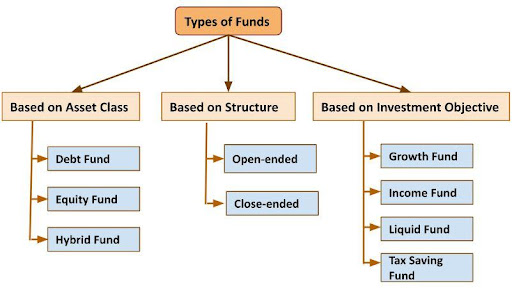
In the dynamic landscape of investing, understanding the user journey is paramount for successful financial planning. One popular investment avenue is equity mutual funds, which cater to various risk profiles. As we delve into the different types of equity mutual funds, we will explore how each type aligns with specific investor risk appetites.
The Basics of Equity Mutual Funds
Equity mutual funds primarily invest in stocks, offering investors the potential for capital appreciation over the long term. They pool money from multiple investors to buy a diversified portfolio of equities. The returns on equity funds can be substantial, but they come with a corresponding level of risk. Understanding the different types of equity mutual funds can be crucial in matching them with an investor’s risk profile.
Types of Equity Mutual Funds
Equity mutual funds can be categorized into several types, each suited for different investor profiles. Here, we will explore the major categories and how they align with various risk levels.
1. Large-Cap Funds
Risk Profile: Moderate to Low Risk
Large-cap funds primarily invest in well-established companies with a market capitalization exceeding INR 20,000 crores. These companies are often blue-chip stocks, recognized for their stability and reliable performance. Because of their size and reputation, large-cap funds are generally considered lower risk compared to other equity mutual funds.
Ideal For: Conservative investors or those looking for stability in their investment portfolio while still wanting exposure to the equity market. Large-cap funds typically offer lower volatility, making them suitable for those who are risk-averse.
2. Mid-Cap Funds
Risk Profile: Moderate to High Risk
Mid-cap funds invest in companies with a market capitalization between INR 5,000 crores and INR 20,000 crores. These companies are usually in their growth phase, meaning they have significant potential for appreciation but also come with a higher risk compared to large-cap investments.
Ideal For: Investors with a medium risk appetite seeking growth potential. If you are willing to accept short-term volatility for potentially higher long-term returns, mid-cap funds can be a great addition to your investment strategy.
3. Small-Cap Funds
Risk Profile: High Risk
Small-cap funds invest in companies with a market capitalization under INR 5,000 crores. While these companies have the potential for significant growth, they are also more vulnerable to market fluctuations and economic downturns, making small-cap funds the riskiest option among equity mutual funds.
Ideal For: Aggressive investors who can withstand short-term losses for potentially high long-term gains. If you’re looking for substantial growth and are comfortable with a high-risk investment, small-cap funds might suit your portfolio.
4. Multi-Cap Funds
Risk Profile: Varies
Multi-cap funds allocate investments across companies of various market capitalizations—large, mid, and small. This diversification can help mitigate the risks associated with investing in just one segment of the market.
Ideal For: Investors looking for a balanced approach who want exposure to a mix of market caps while spreading risk. Multi-cap funds are suited for those who appreciate volatility but seek some degree of stability.
5. Sectoral/Thematic Funds
Risk Profile: High Risk
Sectoral or thematic funds specialize in specific industries or themes, such as technology, healthcare, or infrastructure. While this can offer higher returns if the sector performs well, it also makes the fund susceptible to sector-specific risks.
Ideal For: Investors with a strong belief in a specific sector’s potential and who are open to high volatility. If you want to capitalize on industry trends and have a higher appetite for risk, sectoral funds may be a good fit.
6. Index Funds
Risk Profile: Moderate Risk
Index funds are designed to mirror the performance of a specific index, like the Nifty 50 or the Sensex. They invest in the same stocks as the index, providing broad market exposure at a relatively low cost.
Ideal For: Passive investors looking for a risk-reward ratio similar to the overall market without actively managing their investments. Index funds are suitable for those who want market returns without selecting individual stocks.
Matching Equity Mutual Funds to Risk Profiles
When determining which type of equity mutual fund to invest in, it’s essential to conduct a self-assessment of your financial goals and risk tolerance. Here’s a brief overview guide to help during this decision-making process:
- Conservative investors may favor large-cap funds or index funds for their stability and lower volatility.
- Moderate investors can consider mid-cap or multi-cap funds as they balance potential growth and stability.
- Aggressive investors will likely find small-cap or sectoral funds more appealing due to their high potential returns and significant volatility.
Conclusion: The Importance of Diversification
Understanding the various types of equity mutual funds and aligning them with your risk profile is crucial in crafting an effective investment strategy. Diversifying your portfolio across different types of equity funds can not only help in managing risk but also in maximizing returns over time.
Equity funds can serve as an essential tool in your financial toolkit, allowing you to tailor your investments to meet your personal goals. Whether you’re a conservative investor seeking stability or an aggressive investor chasing high returns, there’s an equity mutual fund suited to your appetite for risk. For more information on the types of equity mutual funds available, you can explore this link or learn more about equity funds here.
Investing wisely begins with knowledge—and understanding the user journey in the context of equity mutual funds is a solid first step toward achieving your financial goals.









Leave a Reply