






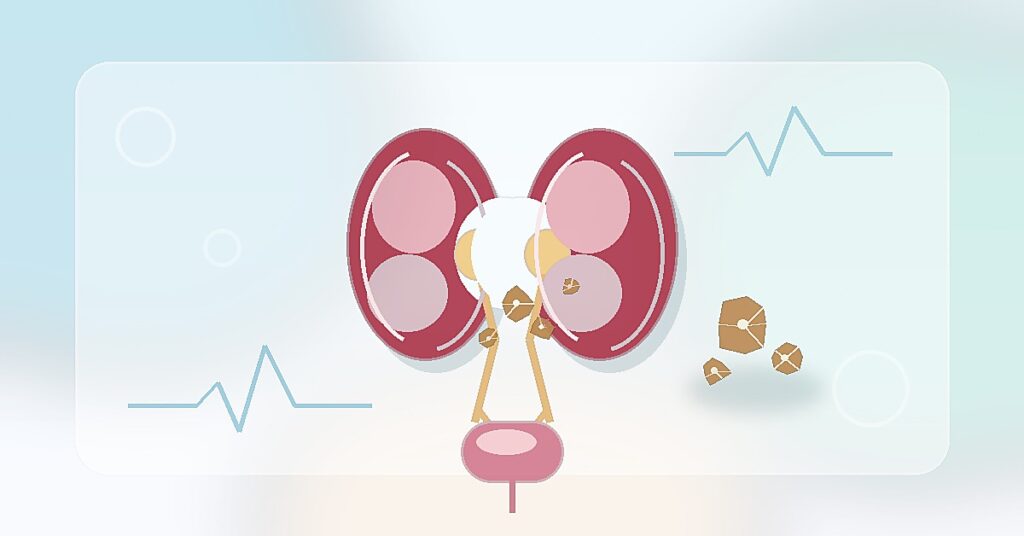
Kidney stones are one of the most common urology problems, but many people ignore the early symptoms until the pain becomes severe. A small discomfort in the side, burning while urinating, or occasional blood in urine may look normal at first, but these signs can point towards kidney stones or urinary tract blockage.
In this article, Dr. Ankit Kayal, a urologist from Jaipur explains the common kidney stone symptoms, warning signs, and when it is better to consult a urologist before the condition becomes serious.
Why Kidney Stone Symptoms Should Not Be Ignored
Kidney stones are hard deposits that form inside the kidneys due to minerals and salts. Sometimes, small stones may pass through urine without causing major trouble. But when a stone moves inside the kidney or gets stuck in the ureter, it can cause severe pain and urinary problems. Mayo Clinic notes that kidney stones may not cause symptoms until they move around in the kidney or pass into the ureter.
Delaying treatment can increase the risk of repeated pain, infection, urine blockage, swelling in the kidney, or kidney function problems. That is why proper diagnosis at the right time is important, especially when symptoms are repeated or severe.
A urologist can evaluate the condition through medical history, urine tests, blood tests, ultrasound, X-ray, or CT scan, depending on the patient’s symptoms and stone size.
1. Severe Pain in the Side or Lower Back
One of the most common symptoms of kidney stones is sudden and sharp pain in the side or lower back. This pain usually starts below the ribs and may move towards the lower abdomen or groin area.
Kidney stone pain can come in waves. Sometimes it may feel mild, and then suddenly become very intense. This happens because the stone may move through the urinary tract and block the normal flow of urine.
If the pain is severe, repeated, or does not improve, it should not be ignored. Strong side or back pain with urinary symptoms is one of the main reasons to consult a urologist.
2. Burning Sensation While Urinating
A burning sensation while passing urine can happen due to urinary infection, dehydration, irritation, or kidney stones. When a stone reaches the lower urinary tract, it may irritate the urinary passage and cause discomfort during urination.
Some people also feel pain at the end of urination or a sharp sensation while passing urine. If burning urination is combined with side pain, cloudy urine, fever, or blood in urine, it may indicate a more serious problem.
Mayo Clinic mentions that UTI symptoms can include burning during urination, strong urge to urinate, frequent urination, and urine that appears red, pink, or cola-colored.
3. Blood in Urine
Blood in urine is a warning sign that should never be ignored. It may appear as pink, red, brown, or tea-colored urine. Sometimes, blood is not visible and can only be detected in a urine test.
Kidney stones can scratch or irritate the lining of the urinary tract while moving, which may lead to blood in urine. Even if blood appears once and then disappears, it is still important to get checked.
Blood in urine can happen due to stones, infection, prostate problems, injury, or other serious urinary conditions. A proper diagnosis helps identify the actual cause and start the right treatment.
4. Frequent Urination or Urgent Need to Urinate
If you feel the need to urinate again and again, or if you feel sudden urgency even when very little urine comes out, it may be linked to kidney stones or urinary irritation.
This symptom is more common when the stone moves lower in the urinary tract. Some patients may feel they need to rush to the washroom frequently, but only a small amount of urine passes.
Frequent urination can also happen due to UTI, diabetes, bladder problems, or prostate-related issues in men. So, it is important not to assume the cause without a medical check-up.
5. Nausea and Vomiting Along with Pain
Kidney stone pain can sometimes be so intense that it causes nausea and vomiting. This happens because the kidneys and digestive system share nerve connections, and severe pain can affect the stomach as well.
If you have side pain along with nausea, vomiting, or restlessness, it may be a sign that the stone is causing significant discomfort or blockage. Mayo Clinic lists upset stomach and vomiting among possible kidney stone symptoms.
This type of pain should not be managed only with home remedies. Timely consultation can help prevent complications and provide proper pain relief and treatment.
6. Fever or Chills with Urinary Symptoms
Fever and chills with urinary symptoms can indicate infection, and this can become serious if there is also a kidney stone blocking urine flow. Infection with obstruction needs urgent medical attention because it can affect the kidney and overall health.
If you have fever, chills, severe back pain, burning urination, or blood in urine, do not delay treatment. Mayo Clinic advises seeking medical care right away for fever, chills, severe pain, bloody urine, or nausea and vomiting as these may be signs of a severe infection.
This is not a situation where you should wait for symptoms to settle on their own.
7. Difficulty Passing Urine or Reduced Urine Flow
Kidney stones can sometimes block the flow of urine, especially when they get stuck in the ureter. This may cause difficulty passing urine, reduced urine output, pain while urinating, or a feeling that the bladder is not empty.
If the blockage is not treated, it can cause swelling in the kidney and increase the risk of infection. In some cases, urgent treatment may be required to remove or bypass the blockage.
Any sudden reduction in urine flow with pain should be taken seriously.
When Should You See a Urologist for Kidney Stones?
You should consult a urologist if you notice symptoms such as severe side pain, repeated back pain, blood in urine, burning urination, fever, vomiting, frequent urination, or difficulty passing urine.
Small stones may pass naturally in some cases, but stone size, location, pain level, infection risk, and kidney condition decide the right treatment. A urologist can suggest whether the stone can be managed with medicines and fluids or whether procedures like URS, RIRS, laser stone surgery, or PCNL are needed.
Self-medication or delaying treatment may increase the problem, especially if the stone is large or causing blockage.
Final Advice
Kidney stone symptoms should not be ignored, especially when pain is severe or symptoms keep coming back. Early diagnosis helps identify the stone size, location, and treatment options before complications develop.
If you notice warning signs such as side pain, burning urination, blood in urine, fever, vomiting, or difficulty passing urine, consult a urologist as early as possible. Timely urology care can help protect your kidneys, reduce pain, and prevent the condition from becoming serious.
Dr. Ankit Kayal provides expert consultation for kidney stone diagnosis and treatment, helping patients choose the right treatment approach based on their condition and comfort.









Leave a Reply