






Have you ever wondered how furniture makers create those perfectly precise cuts every single time? Or perhaps you’ve questioned whether it’s finally time to upgrade your workshop with some digital equipment? What’s more, have you considered how much time and material you could save with the right machinery?
The world of woodworking has transformed dramatically over the past few decades. Gone are the days when craftspeople relied solely on hand tools and manual techniques. Today’s workshops are buzzing with computer controlled routers, automated saws, and smart systems that would have seemed like science fiction to our grandparents. This shift isn’t just about keeping up with the times it’s about working smarter, safer, and more efficiently.
In this article, we’ll explore everything you need to know about modern woodworking machines. From understanding the different types available to weighing up whether CNC equipment is worth the investment for your small business, we’ve got you covered. You’ll also discover the key benefits these machines bring to Australian workshops, their practical applications across various industries, and what to look for when choosing equipment. Let’s get stuck into it.
The Evolution of Woodworking Technology
Woodworking has come a long way since the days of hand saws and chisels. The industrial revolution brought us powered machinery, but the real game-changer arrived with computerised systems in the late twentieth century. These innovations have made it possible to achieve levels of precision that were previously unimaginable.
Traditional workshops are increasingly going digital for good reason. Manual processes, while still valuable for certain artisanal work, simply can’t compete with automated systems when it comes to production speed and consistency. Australian businesses are recognising this shift and investing accordingly.
The integration of technology doesn’t mean abandoning craftsmanship either. Instead, it frees up skilled workers to focus on design, quality control, and the creative aspects of their trade. The machines handle the repetitive cutting and shaping, while humans bring the vision and finishing touches.
What Are the Different Types of Woodworking Machines?
CNC Routers and Their Capabilities
CNC routers are perhaps the most versatile machines in any modern workshop. These computer controlled systems can cut, carve, and shape wood with extraordinary accuracy. They’re brilliant for everything from simple straight cuts to complex three dimensional carvings.
What makes CNC routers particularly valuable is their ability to replicate designs perfectly, time after time. Once you’ve programmed a pattern, you can produce hundreds of identical pieces without variation. This consistency is invaluable for furniture manufacturers and cabinet makers alike.
Automated Table Saws and Panel Saws
Panel saws have evolved significantly from their manual predecessors. Modern automated versions feature programmable cutting sequences, laser guides for precise alignment, and safety systems that can stop blades in milliseconds if they detect contact with skin.
These machines excel at breaking down large sheet materials quickly and accurately. For workshops handling high volumes of MDF, plywood, or timber panels, an automated panel saw can dramatically increase throughput while reducing waste from cutting errors.
Industrial Planers, Thicknessers, and Edge Banders
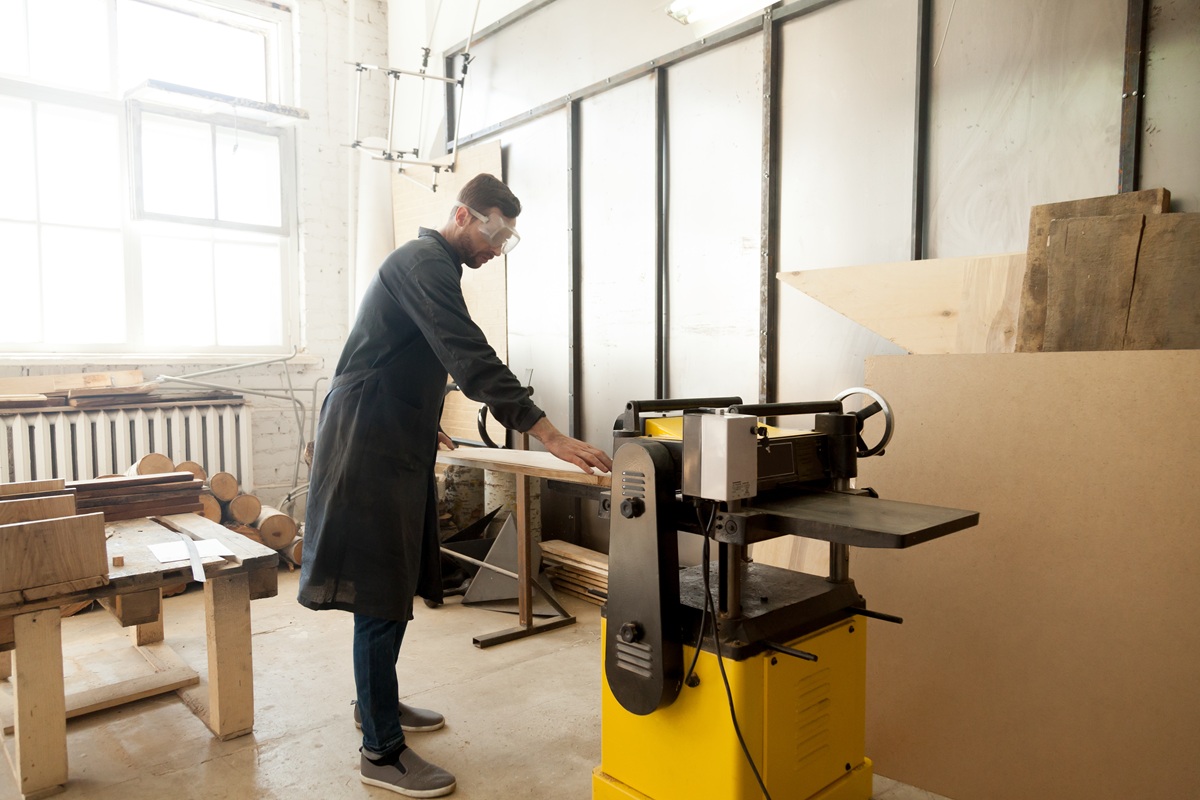
Industrial planers and thicknessers ensure timber is perfectly flat and uniform in thickness. Modern versions feature digital readouts and automatic feed systems that maintain consistent pressure throughout the cutting process.
Edge banding machines apply finished edges to panel materials, creating a professional appearance on exposed edges. Today’s models can handle various edge materials, from PVC and melamine to real timber veneer, with impressive speed and precision.
Laser Cutting and Engraving Systems
Laser technology has opened up exciting possibilities for decorative woodwork. These systems can cut intricate patterns that would be impossible to achieve by hand, plus they’re brilliant for engraving detailed designs, logos, or text onto timber surfaces.
The precision of laser cutting means minimal material waste and clean edges that require little finishing work. Many Australian signage companies and decorative woodwork specialists now consider laser systems essential equipment.
How Has Technology Changed Woodworking?
CAD Integration and Smart Systems
Computer-Aided Design software has revolutionised how woodworkers plan their projects. Designs created in CAD programs can be sent directly to CNC machines, eliminating the potential for human error during manual setup. This seamless integration speeds up production considerably.
Smart sensors throughout modern machinery monitor everything from blade sharpness to material positioning. These systems can detect problems before they cause defects, alerting operators to make adjustments. The Internet of Things connectivity means workshop managers can monitor machine performance remotely, tracking productivity and scheduling maintenance proactively.
Safety Features and Environmental Controls
Modern dust extraction systems do far more than keep workshops tidy. They protect workers from harmful airborne particles and maintain air quality that meets Australian workplace safety standards. Advanced systems automatically adjust suction levels based on which machines are operating.
Environmental controls extend to noise reduction, temperature management, and waste minimisation. Many contemporary machines are designed with sustainability in mind, operating more efficiently and producing less waste than their predecessors.
What Are the Benefits of Using Modern Woodworking Machines?
The advantages of upgrading to modern equipment are substantial and wide-ranging:
- Increased precision and consistenc: Computer controlled machines eliminate human variation, producing identical components every time
- Improved production speed: Automated processes complete tasks significantly faster than manual methods
- Reduced material waste: Optimised cutting patterns and precise measurements mean less timber ends up as scrap
- Enhanced workplace safety: Advanced detection systems and emergency stops protect operators from injury
- Greater design flexibility: Complex shapes and patterns that were once impractical are now achievable
These benefits translate directly to cost savings. While the initial investment is significant, the long-term returns through increased efficiency and reduced waste make modern machinery financially sensible for most workshops.
Are CNC Machines Worth It for Small Woodworking Businesses?
This question comes up constantly among Australian workshop owners. The honest answer depends on your specific circumstances, but for many small businesses, CNC equipment represents a sound investment.
Investment vs Returns and Scalability
The upfront cost of CNC machinery can seem daunting for smaller operations. However, when you factor in the increased production capacity, reduced labour costs, and ability to take on more complex projects, the payback period is often shorter than expected.
For growing Australian workshops, scalability is a major consideration. CNC equipment allows you to increase output without proportionally increasing your workforce. As your business expands, the same machines can handle greater volumes simply by running longer hours or adding shifts.
Training Requirements
There’s definitely a learning curve involved with CNC operation. Staff need training in both the machinery itself and the software that drives it. Many equipment suppliers offer comprehensive training packages, and TAFE courses in CNC operation are available throughout Australia.
The investment in training pays dividends quickly. Once your team is proficient, they’ll wonder how they ever managed without these capabilities.
Key Applications of Modern Woodworking Machines
Furniture Manufacturing and Cabinet Making
Custom furniture production has been transformed by CNC technology. Manufacturers can offer clients genuine customisation without the premium pricing that bespoke handmade pieces once commanded. From dining tables to bedroom suites, modern machinery makes personalised furniture accessible.
Cabinet making and joinery benefit enormously from automated precision. Kitchen cabinets, wardrobes, and built-in storage all require consistent dimensions for proper fitting. Modern machines deliver this consistency reliably.
Architectural Millwork and Signage
Architectural millwork and commercial fit-outs demand both precision and aesthetic quality. Modern machinery handles complex mouldings, panelling, and decorative elements with ease. This capability has made elaborate interior designs more achievable for Australian commercial projects.
The signage industry relies heavily on CNC routers and laser systems. From shop fronts to wayfinding signs, these machines produce crisp lettering and logos that make businesses stand out.
How Do I Choose the Right Woodworking Machine?
Selecting appropriate equipment requires careful consideration of several factors. Start by assessing your production needs honestly what volumes are you handling now, and what do you anticipate in three to five years?
Space and power requirements matter significantly. Australian workshops vary enormously in size, and some machinery demands substantial floor space plus three-phase power connections. Check your premises can accommodate your choices before committing.
Budget considerations should include not just purchase price but also installation, training, and ongoing maintenance costs. Many Australian suppliers offer financing options that make quality equipment accessible. Don’t forget to investigate after sales support reliable service and spare parts availability are essential for minimising downtime.
Safety Features and Compliance
Modern woodworking machines should include blade detection systems, emergency stops, enclosed cutting areas, and appropriate guards. These features aren’t optional extras they’re essential for protecting your team and meeting Australian workplace safety standards.
Compliance with Standards Australia requirements is non-negotiable. When purchasing equipment, verify it meets AS/NZS specifications and comes with appropriate documentation. Your workers’ compensation insurer may also have specific requirements worth checking.
The Future of Woodworking Machines
Emerging trends point toward even greater automation and artificial intelligence integration. Machines that can identify timber grain patterns and adjust cutting strategies accordingly are already appearing. Sustainability considerations are driving development of more energy-efficient equipment and systems that maximise material utilisation.
Eco-friendly manufacturing is becoming increasingly important to Australian consumers. Workshops investing in sustainable practices including efficient machinery and waste minimisation are finding this resonates strongly with environmentally conscious clients.
Conclusion
We’ve covered substantial ground in exploring modern woodworking machines, from the various types available to their applications and the benefits they deliver. The technology has genuinely transformed what’s possible in Australian workshops, making precision, efficiency, and safety achievable at levels our predecessors couldn’t have imagined.
My view? If you’re running a woodworking business and haven’t yet embraced modern machinery, now’s the time to seriously consider it. The initial investment might feel significant, but the returns through improved productivity, reduced waste, and enhanced capabilities are compelling. Plus, your team will work more safely and probably enjoy their jobs more when they’re not wrestling with outdated equipment.
Whether you’re crafting custom furniture, fitting out commercial spaces, or producing architectural millwork, the right machinery can elevate your business substantially. Take time to research your options, assess your genuine needs, and choose equipment that’ll grow with you. Your future self and your bottom line will thank you for it.









Leave a Reply