






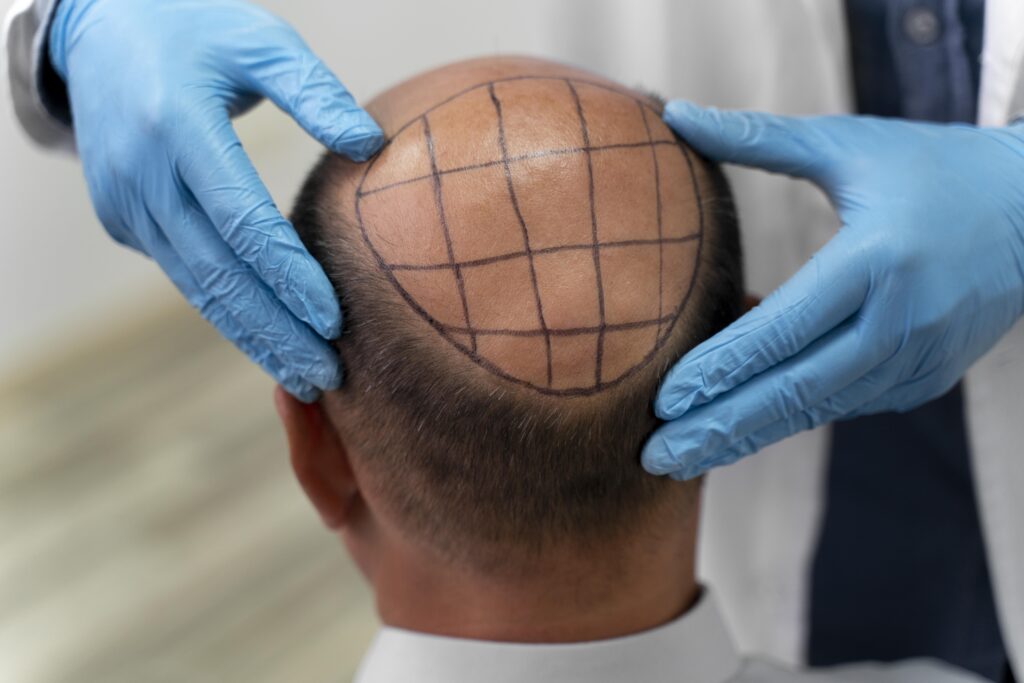
Hair loss is something most people sit with quietly for a long time before they do anything about it. It starts subtly, a slightly wider parting, a crown that catches light differently, and then one day it becomes hard to ignore. The good news is that hair transplant surgery has come a long way, and the results today look nothing like what people feared years ago. Recovery is manageable, the procedure is well-tolerated, and when done properly, the outcome is hair that grows, behaves, and feels entirely your own. Knowing what the process actually involves is the first step toward making that decision with confidence.
Why choosing the right hair transplant procedure matters
The success of a hair transplant has a lot to do with how well-informed the patient is going in. A well-planned procedure, carried out under proper clinical conditions, can produce a natural hairline and lasting density that genuinely changes how someone feels about their appearance. A rushed or poorly evaluated one can have the opposite effect, yielding results that are difficult and costly to correct. Clinics like Redefine Hair Transplant and Plastic Surgery Center take a thorough, patient-first approach to evaluating candidacy, planning the procedure, and walking patients through realistic expectations before anything is scheduled. That kind of groundwork is what separates a result people are happy with years later from one they regret.
Understanding how hair transplant surgery works
Hair transplant surgery works by moving healthy follicles from a donor area, usually the back or sides of the scalp, where hair tends to resist genetic thinning, to areas where coverage has been lost. Because those transplanted follicles carry their original genetic instructions with them, they keep growing after the procedure and aren’t affected by the same causes that triggered the original hair loss. That’s what makes the results permanent. The implantation process follows the natural angle and direction of surrounding hair, which is what gives a finished result its undetectable quality. When this step is handled carefully, the transplanted hair simply looks like it was always there.
The role of technique in determining results
The most used approach today is Follicular Unit Extraction, where individual follicles are removed one by one using a fine micro punch tool, leaving no linear scar and allowing the scalp to heal relatively quickly. More advanced versions of this technique, such as Bio-FUE, incorporate platelet-rich plasma or concentrated growth factors during surgery to support faster healing and improve how well the grafts take. For patients who want to make the most of their procedure, these enhancements offer a real difference without adding significant complexity. Researching your options through a reliable resource like ClinicSpots can help you compare techniques, understand what different clinics offer, and go into consultations with the right questions already in mind. The technique used matters, but so does the overall picture of where you’re going and why.
Who is a suitable candidate for hair transplant surgery
Not everyone with thinning hair is at the right stage for a transplant. Suitability depends on things like how stable the hair loss pattern is, how much usable donor hair is available, age, and what outcomes are genuinely achievable. Younger patients with loss that’s still progressing are often advised to wait or try non-surgical treatments first, because operating too early can mean the surrounding hair continues to thin around transplanted areas. A proper evaluation sorts all of this out and sets a realistic picture of what can be achieved and when. Patients who go through this process carefully tend to be far more satisfied with their results long-term.
What to expect during recovery
Recovery after a hair transplant is straightforward for most people. Some redness and mild swelling in the treated area are normal in the first few days and usually settle within a week. The transplanted hair often sheds in the weeks after surgery, which catches people off guard if they’re not expecting it. This shedding is a normal part of the cycle. New growth typically starts showing up around the three to four month mark, with noticeable density coming in between six and nine months. By twelve months, the hair is fully grown in and behaves exactly like the rest.
Evaluating clinic standards and safety protocols
Where the procedure takes place matters as much as how it’s performed. Sterile conditions, proper instrument handling, trained support staff, and continuous monitoring throughout the procedure are all baseline requirements that any serious clinic maintains without compromise. Patients should feel entirely comfortable asking about these things before committing. A clinic that’s transparent about its standards and processes is one that has nothing to hide, and that kind of openness is usually a reliable indicator of how the overall experience will go.
The importance of post-procedure care and long-term support
Surgery is only part of the equation. How the scalp is cared for afterward directly affects how well the grafts survive and how strong the final growth turns out. Clear aftercare guidance, follow-up check-ins, and access to support during the growth cycle all contribute to the result. Patients who stay engaged with their aftercare and keep in touch with their clinical team through the process tend to see the most consistent outcomes.
Conclusion
Hair transplant surgery, approached with the right information and honest expectations, gives people a permanent and natural path out of hair loss. The techniques available now are significantly more refined than even a decade ago, and the outcomes reflect that. Taking time to understand the process properly, from technique and candidacy to recovery and clinic standards, puts any patient in a much better position to move forward with confidence.
FAQs
Is the procedure painful?
Local anesthesia is used throughout, so there’s no pain during surgery. Any discomfort in the days after is mild and temporary.
How long does it take to see results?
Growth starts appearing around three to four months post-surgery, with full results typically visible by the twelve-month mark.
Is hair transplant suitable for everyone?
No. Suitability depends on donor hair quality, the stability of the hair loss pattern, age, and overall scalp condition. A proper evaluation is essential before any decision is made.
Are the results permanent?
Yes. Transplanted follicles are genetically resistant to the causes of hair loss, so they continue to grow permanently. Non-transplanted hair may still thin over time.









Leave a Reply