






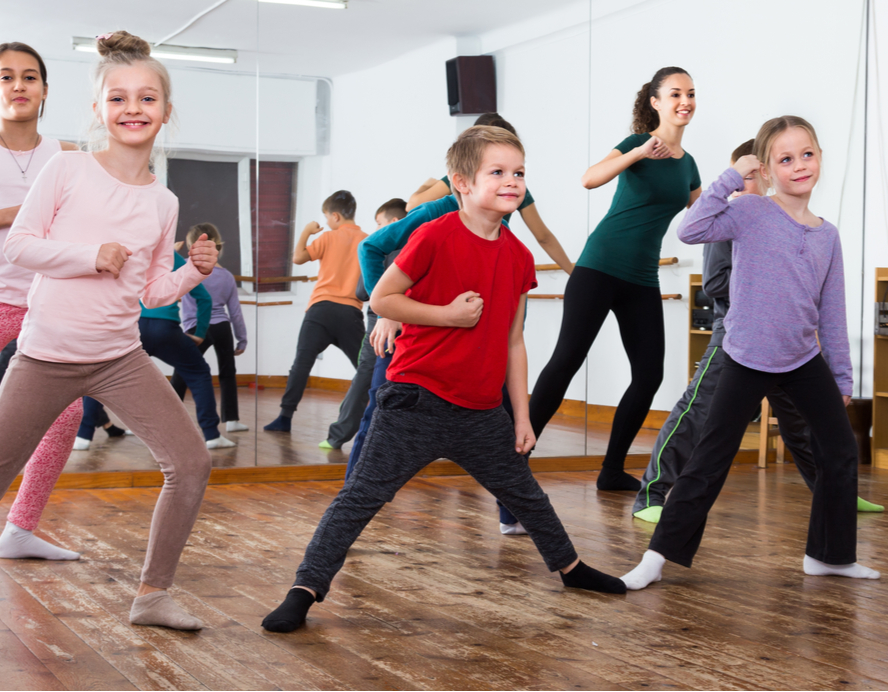
Extracurricular activities play a significant role in shaping a child’s development. They provide opportunities to learn new skills, build relationships, and gain experiences that support growth beyond the classroom. Among these activities, dance education has remained one of the most valuable options for children and teens. Dance combines physical activity, creativity, discipline, and social interaction in a way that supports overall development. While many people initially view dance as a recreational activity, its long-term benefits extend far beyond learning choreography and performing on stage.
Building Strong Physical Health
Dance is an excellent form of exercise that promotes overall physical fitness. Regular participation helps improve strength, flexibility, balance, coordination, and endurance. Unlike some traditional fitness activities, dance keeps young people engaged by combining movement with music and creativity.
Students who attend dance classes ryde often develop healthy exercise habits from an early age. These habits can continue throughout adulthood, encouraging an active lifestyle that supports long-term physical health. Consistent dance training also helps improve posture, body awareness, and mobility, which are valuable throughout life.
Enhancing Confidence and Self-Esteem
One of the most noticeable benefits of dance education is the confidence it builds. As children learn new skills and master increasingly challenging routines, they gain a sense of accomplishment that strengthens their self-esteem. Every milestone achieved through practice reinforces the belief that hard work leads to success.
Performances also contribute to confidence development. Standing in front of an audience and showcasing their abilities helps children overcome nervousness and develop self-assurance. These experiences teach them to trust their skills and approach challenges with a positive mindset.
Developing Discipline and Responsibility
Dance education requires commitment, consistency, and dedication. Students learn the importance of attending classes regularly, practicing techniques, and preparing for performances. These responsibilities help children develop discipline and accountability from a young age.
The ability to stay committed to long-term goals is a valuable life skill. Through dance, children learn that progress often comes through patience and persistence rather than immediate results. This understanding can positively influence their approach to academics, sports, and future career goals.
Encouraging Creativity and Self-Expression
Dance provides a unique platform for creative expression. Through movement, children and teens can communicate emotions, ideas, and stories in ways that words sometimes cannot. This creative freedom encourages imagination and helps young people explore their individuality.
Many students enrolled in dance classes ryde discover new ways to express themselves while developing a deeper appreciation for the arts. Exposure to different dance styles and choreography also broadens their creative thinking skills, which can benefit them in many aspects of life beyond dance.
Strengthening Social and Communication Skills
Dance classes create opportunities for children and teens to interact with peers in a supportive and collaborative environment. Working together on routines and performances teaches teamwork, cooperation, and mutual respect.
Students learn how to communicate effectively, share responsibilities, and support one another’s success. These social experiences help build meaningful friendships and strengthen interpersonal skills that are valuable throughout life. The confidence gained from interacting with others in dance settings often carries over into school, community activities, and future workplaces.
Supporting Academic and Cognitive Development
Research has shown that physical activity can positively influence cognitive function, and dance is no exception. Learning choreography requires focus, concentration, memory, and problem-solving skills. Students must remember sequences, respond to music, and coordinate movements, all of which challenge the brain in productive ways.
Participation in dance classes ryde can also contribute to improved time management and organizational skills. Balancing dance commitments with school responsibilities teaches students how to manage schedules effectively, which can lead to greater academic success.
Promoting Emotional Well-Being
The emotional benefits of dance education are just as important as the physical and social advantages. Dance provides a healthy outlet for stress, anxiety, and emotional expression. Moving to music can be uplifting and therapeutic, helping children process emotions in a positive way.
Dance also builds resilience by teaching students how to handle challenges, accept constructive feedback, and continue improving after setbacks. These experiences strengthen emotional confidence and encourage a growth-oriented mindset that supports overall well-being.
Preparing Children and Teens for Future Success
The skills developed through dance education often extend far beyond the studio. Leadership, communication, teamwork, discipline, and confidence are qualities that contribute to success in education, careers, and personal relationships.
Children who participate in long-term dance programs frequently develop strong work ethics and a willingness to pursue goals with determination. These transferable skills can help them navigate future challenges and opportunities with greater confidence and capability.
Conclusion
Dance education offers far more than physical activity and performance opportunities. It supports the development of physical health, confidence, creativity, discipline, social skills, and emotional well-being. These benefits continue to influence children and teens long after they leave the dance studio.
By investing in dance education, parents can provide young people with valuable experiences that contribute to lifelong success. Through consistent participation and positive guidance, dance helps children and teens grow into confident, creative, and well-rounded individuals who are prepared to thrive in every stage of life.









Leave a Reply