






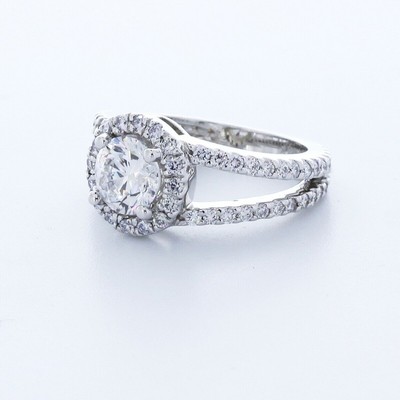
Choosing an engagement ring is a deeply personal decision. The right design should reflect the style, personality, and lifestyle of the person who will wear it for years to come.
Among the many diamond shapes available, the cushion cut has enduring appeal because of its softly rounded corners, balanced proportions, and distinctive character. Cushion cuts can range from nearly square to noticeably elongated, giving shoppers considerable flexibility when choosing a particular look.
However, selecting a cushion cut engagement ring involves much more than choosing the first design that catches your attention. Two diamonds with the same carat weight can look noticeably different because of their dimensions, proportions, length-to-width ratio, faceting pattern, and setting.
The setting, band, metal, comfort, and security of the center stone also influence how the finished ring looks and performs in everyday use.
This guide explains the most important factors to compare before making your decision.
Cushion Cut Engagement Ring: Quick Buying Guide
| Feature | What to Consider |
|---|---|
| Shape | Square vs. elongated cushion |
| Carat | Measures weight, not necessarily visible size |
| Dimensions | Indicates the diamond’s actual face-up measurements |
| Length-to-Width Ratio | Helps determine how square or elongated the stone appears |
| Faceting | Influences brilliance and the stone’s visual pattern |
| Color | Consider alongside the color of the ring metal |
| Clarity | Evaluate whether inclusions are actually visible |
| Setting | Solitaire, halo, hidden halo, or other designs |
| Band | Plain, pavé, narrow, wide, or decorative |
| Metal | Platinum, white gold, yellow gold, or rose gold |
| Lifestyle | Consider profile, security, comfort, and snagging |
| Grading Report | Review documentation from a respected independent gemological laboratory |
1. Start With the Cushion Cut Shape and Proportions
The first consideration is the shape of the cushion itself.
Cushion cuts generally have a square or rectangular outline with gently rounded corners. Although they belong to the same overall shape family, variations in proportion can create noticeably different appearances.
Square Cushion Cuts
A square cushion has length and width measurements that are relatively close. This creates a balanced, compact appearance that may appeal to someone who prefers a more traditional outline.
Elongated Cushion Cuts
An elongated cushion has greater length than width, creating a more rectangular silhouette. Some shoppers prefer this appearance because of the way the elongated shape sits along the finger.
Neither is inherently better. The choice is primarily about proportion and personal preference.
Look Beyond Carat Weight
Carat is a measurement of diamond weight, not its visible dimensions.
Two cushion-cut diamonds of the same carat weight can therefore appear different in size when viewed from above.
Compare the actual millimetre measurements of different stones in addition to their carat weights. This gives you a better idea of the diamond’s face-up dimensions once set in a ring.
Consider the Length-to-Width Ratio
Length-to-width ratio is particularly useful when comparing cushion shapes.
It is calculated by dividing the diamond’s length by its width. A ratio closer to 1.00 generally produces a squarer appearance, while increasing ratios create progressively more elongated silhouettes.
There is no universally ideal ratio. Instead of selecting a diamond based on a particular number alone, compare several cushion cuts visually and determine which proportions you prefer.
2. Understand Cushion-Cut Faceting
Not every cushion-cut diamond handles light in exactly the same way.
Different cushion cuts can have different facet arrangements, which can affect their brightness, contrast, sparkle, and overall visual character.
This means two cushion-cut diamonds with similar carat, color, and clarity grades may still look noticeably different.
When comparing stones, consider:
- overall brightness;
- distribution of light and dark areas;
- symmetry of the visual pattern;
- whether the center appears lively;
- how the diamond looks under different lighting conditions.
Photographs and specifications are useful for narrowing your choices, but visual comparison remains valuable because grading information cannot communicate every aspect of a diamond’s appearance.
3. Evaluate Diamond Quality as a Whole
The traditional **4Cs—cut, color, clarity, and carat weight—**provide a useful framework for comparing diamonds, but they should not be evaluated completely independently of one another.
Cut and Visual Performance
The proportions and faceting of a cushion-cut diamond influence how it interacts with light.
Rather than focusing only on a specification or grade, look at the complete appearance of the stone. A visually attractive cushion should demonstrate a pleasing balance of brightness, contrast, shape, and symmetry.
Clarity
Clarity describes characteristics such as inclusions and blemishes.
A higher clarity grade does not automatically mean that it is the best use of your budget. Some inclusions may be difficult to see without magnification, while others can be more noticeable depending on their size, position, and nature.
When possible, consider both the clarity grade and the actual appearance of the diamond.
Color
Diamond color preferences are subjective.
Some shoppers prefer a bright, near-colorless appearance, while others are comfortable with slightly warmer tones.
Your choice of metal can also influence how the diamond’s color is perceived. White metals create a relatively neutral setting, whereas yellow or rose gold can complement warmer tones.
Carat Weight and Measurements
Avoid selecting a diamond simply because it reaches a particular carat milestone.
Compare:
Carat weight + dimensions + proportions + visual appearance
together.
A well-proportioned stone that presents attractively from above may be preferable to a heavier diamond whose weight is distributed in ways that do not contribute as much to its visible dimensions.
4. Review the Diamond Grading Report
A grading report from a respected independent gemological laboratory can provide useful documentation about the characteristics of a diamond.
Depending on the report, information may include:
- carat weight;
- measurements;
- color grade;
- clarity grade;
- polish;
- symmetry;
- fluorescence;
- proportions and other identifying characteristics.
A grading report should support your evaluation rather than replace visual assessment.
Compare the documentation with the actual diamond whenever possible. This provides a stronger basis for understanding what you are purchasing.
5. Choose a Setting That Supports the Center Stone
The setting is not merely decorative. It secures the center stone and significantly influences the overall appearance of the engagement ring.
Prong Setting
Prongs secure the center diamond while allowing much of the stone to remain visible.
The number, position, and design of the prongs can vary. When comparing designs, consider both appearance and how securely the stone is held.
Halo Setting
A halo places smaller diamonds or gemstones around the center stone.
This creates a larger visual frame and adds additional sparkle and detail. It can suit shoppers who prefer a more elaborate appearance.
Solitaire Setting
A solitaire keeps the cushion-cut center stone as the primary visual feature.
Its relative simplicity can work particularly well when you want the diamond’s proportions and faceting to receive most of the attention.
Hidden Halo
A hidden halo positions smaller accent stones below the center diamond rather than around its visible outline.
This can introduce additional detailing when viewed from the side without creating the same face-up appearance as a traditional halo.
Don’t Overlook Security
Whichever setting you choose, examine how securely the center stone is held.
Prongs should be properly finished and positioned, and the ring should be suitable for the wearer’s everyday activities.
Beauty matters, but an engagement ring designed for frequent wear also needs practical construction.
6. Consider the Band and Metal
The band contributes significantly to the overall balance of the ring.
A narrow band can make the center stone appear more prominent, while a wider band creates greater visual presence.
Pavé bands incorporate smaller diamonds along part or most of the band and can add additional sparkle. A plain band provides a cleaner and more understated appearance.
Think About the Future Wedding Band
If the engagement ring will eventually be worn with a wedding band, consider how the two rings will sit together.
Certain engagement-ring settings allow a conventional wedding band to sit flush against them, while others may leave a gap or require a contoured band.
It is easier to consider this before purchasing than to discover the issue later.
Choosing the Metal
Common options include:
- platinum;
- white gold;
- yellow gold;
- rose gold.
Each produces a different visual effect.
Rather than choosing solely according to current trends, consider the jewelry the recipient already wears. A metal that coordinates with their existing collection may make the engagement ring feel more naturally integrated into their personal style.
7. Think About Everyday Wear and Maintenance
An engagement ring may be worn frequently, so lifestyle should influence the design.
Someone who works extensively with their hands may have different requirements from someone whose daily activities expose the ring to relatively little physical contact.
Consider:
- how high the center stone sits;
- whether the setting could catch on clothing;
- security of the prongs;
- comfort of the band;
- ease of cleaning;
- exposure to everyday knocks and abrasion.
A lower-profile setting may be more practical for some wearers, although the right choice depends on the particular design and lifestyle.
Regular maintenance is also important. Cleaning the ring and periodically having the setting and prongs inspected can help identify potential problems before a stone becomes loose.
8. Compare Several Designs Before Deciding
Engagement-ring shopping can become overwhelming when many designs initially appear attractive.
A systematic comparison makes the process easier.
Start with the center diamond and compare its:
Shape → Ratio → Measurements → Faceting → Color → Clarity → Overall Appearance
Then evaluate:
Setting → Band → Metal → Comfort → Security → Wedding-Band Compatibility
Viewing rings from multiple angles is also useful. A top-down photograph does not necessarily show the height of the setting, prong construction, gallery details, or how the band interacts with the center stone.
Consider how the proportions look on the wearer’s hand as well. Finger length, hand shape, existing jewelry, and personal preference can influence whether a particular design feels appropriately proportioned.
If you prefer a longer silhouette, comparing an elongated cushion engagement ring with other cushion designs can help you evaluate different proportions, settings, and band styles before deciding what suits your preferences.
9. Allocate Your Budget According to What Matters Most
It is easy to concentrate most of an engagement-ring budget on carat weight.
Instead, determine which characteristics matter most to you.
One shopper may prioritize visible size, while another may prefer higher clarity, a particular color range, more elaborate craftsmanship, or a premium setting.
Think of the ring as a complete design rather than a center-stone specification.
A balanced allocation across the diamond, setting, band, and craftsmanship can sometimes produce a more satisfying result than maximizing one specification at the expense of everything else.
10. Make the Final Choice Based on Personal Style
An engagement ring can be worn for decades, so personal preference should remain at the center of the decision.
Trends can provide inspiration, but they do not need to dictate the final choice.
Consider the recipient’s existing jewelry:
- Do they prefer simple or detailed designs?
- Which metal colors do they normally wear?
- Do they favor delicate or substantial jewelry?
- Would they prefer a solitaire or additional diamond accents?
- Is their style traditional, contemporary, vintage-inspired, or minimalist?
Small details can also make a familiar cushion-cut design feel distinctive. Band design, prong arrangement, accent stones, metal combinations, and engraving can all provide personalization.
Frequently Asked Questions
What is the best length-to-width ratio for a cushion-cut engagement ring?
There is no single best ratio. Ratios closer to 1.00 create a squarer appearance, while higher ratios create a more elongated silhouette. Compare several diamonds visually rather than choosing solely according to a numerical ratio.
Is a cushion-cut diamond suitable for everyday wear?
It can be. Everyday practicality depends not only on the diamond shape but also on the setting, profile, prong security, band construction, and the wearer’s activities. Consider the complete ring design when evaluating everyday suitability.
What setting works well with a cushion-cut diamond?
Solitaire, halo, hidden-halo, and prong-based designs can all complement cushion cuts. The best option depends on the desired appearance, stone proportions, security requirements, and personal style.
Should I choose a square or elongated cushion cut?
Choose according to visual preference rather than assuming one is superior. Square cushions provide a balanced appearance, while elongated cushions create a longer silhouette. Comparing both on the hand can make the decision easier.
Does carat weight tell me how large a cushion diamond will look?
Not completely. Carat measures weight. Two diamonds of identical carat weight can have different dimensions and therefore appear different in size when viewed from above.
Which metal is best for a cushion-cut engagement ring?
There is no universally best metal. Platinum, white gold, yellow gold, and rose gold each produce different visual effects. Consider personal preference, existing jewelry, durability requirements, and the overall ring design.
What should I check on a diamond grading report?
Review relevant information such as carat weight, measurements, color, clarity, polish, symmetry, fluorescence, and other documented characteristics. The report should be considered alongside the diamond’s actual appearance.
Final Thoughts
Choosing the perfect cushion cut engagement ring requires more than selecting a diamond according to carat weight.
Shape, proportions, dimensions, faceting, diamond quality, grading information, setting, metal, band design, comfort, security, lifestyle, and budget all contribute to the finished ring.
Start by determining whether you prefer a square or elongated silhouette. Then compare several diamonds carefully, looking beyond headline specifications to consider their actual appearance. Evaluate how the setting supports the center stone and whether the metal, band, and overall construction suit the recipient’s personal style and everyday habits.
Shoppers researching cushion-cut designs may also explore Antiquecut alongside other options when comparing available styles and settings.
Ultimately, the best engagement ring is not necessarily the one with the largest diamond, highest specification, or most fashionable setting. It is the one that achieves the right balance of appearance, quality, practicality, personal significance, and long-term wearability for the person who will wear it.










Leave a Reply