






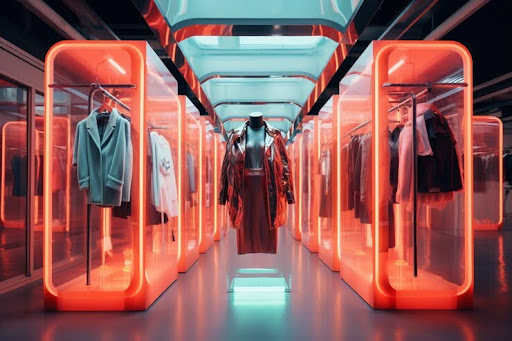
Sleeveless vests have become a useful part of contemporary streetwear because they add another layer to an outfit without completely covering what is worn underneath. Depending on the design, a vest can introduce structure, volume, color or visual contrast while allowing the sleeves of a hoodie, sweatshirt or long-sleeve top to remain visible.
This makes sleeveless outerwear particularly useful for experimenting with layering.
The key is not simply adding another garment. Effective layering depends on understanding how the vest interacts with the rest of the outfit.
A simple styling framework is:
Base → Layer → Proportion → Color → Footwear → Details
Using these elements intentionally can help turn a sleeveless vest into a flexible wardrobe piece rather than an item that works with only one outfit.
Why Sleeveless Vests Work for Layering
A conventional jacket covers much of the clothing underneath it. A sleeveless vest works differently.
Because the arms remain exposed, the base layer becomes an important part of the overall appearance. A hoodie can introduce visible sleeves and a hood, while a long-sleeve top can create a cleaner silhouette. A T-shirt provides an even lighter combination.
This creates opportunities to experiment with:
- contrasting colors;
- different textures;
- garment lengths;
- fitted and relaxed proportions;
- graphic and minimal pieces;
- seasonal layering.
The vest effectively becomes a bridge between the base layer and the rest of the outfit.
A useful principle is:
Good Layering Creates Depth Without Creating Clutter
Start With the Right Base Layer
The garment underneath a vest can significantly change the final outfit.
Instead of treating the base layer as something that will remain hidden, consider it part of the styling.
Vest With a T-Shirt
A T-shirt creates one of the simplest combinations.
This approach keeps the outfit relatively light and allows the vest to provide most of the upper-body structure.
A plain T-shirt can work particularly well when the vest already contains prominent branding, graphics, unusual construction or strong color.
Vest With a Long-Sleeve Top
A long-sleeve top creates additional visual contrast because the sleeves remain fully visible.
Neutral colors can keep the combination understated, while contrasting colors can make the layering more noticeable.
The result generally has less visual volume than combining a padded vest with a heavy sweatshirt or hoodie.
Vest With a Sweatshirt
A sweatshirt creates a fuller casual silhouette.
The combination can work well when the vest has enough room to sit comfortably over the additional layer without restricting movement or creating unwanted bunching.
Vest With a Hoodie
The hoodie-and-vest combination is widely used in casual streetwear because several elements remain visible at once.
The hood creates another layer around the neckline, while the sleeves extend beyond the vest and become part of the outfit’s color and proportion.
This creates a useful formula:
Base Layer + Sleeveless Outer Layer = Visible Layering
However, the two pieces should work together rather than compete for attention.
Understand Volume and Proportion
Proportion becomes particularly important when styling padded or oversized sleeveless outerwear.
A padded vest combined with a substantial hoodie can create considerable visual volume across the upper body.
That volume can then be balanced or deliberately contrasted through the trousers and footwear.
For example, relaxed or straight-leg trousers can continue the broader silhouette through the lower body. More streamlined trousers create a stronger contrast with the volume above.
Neither approach is automatically correct.
Instead, consider:
- how wide the vest appears;
- the thickness of the base layer;
- where the vest finishes on the torso;
- the width and length of the trousers;
- the visual weight of the footwear.
A useful principle is:
Volume on Top → Consider Balance Below
This does not mean every oversized vest requires oversized trousers. It means the relationship between the upper and lower silhouette should be intentional.
Pair a Vest With a Hoodie
A hoodie is one of the easiest garments to combine with a sleeveless vest, but several details can change the result.
Keep One Piece Visually Dominant
If the vest has prominent graphics or branding, consider a relatively simple hoodie.
If the vest is minimal, a hoodie with stronger color or graphic details can provide more of the visual interest.
This creates:
Statement Vest + Supporting Basics = Balanced Outfit
Consider the Hood
The hood remains visible and becomes another part of the silhouette.
Make sure it sits comfortably around or above the vest collar rather than creating unnecessary bunching.
Think About Length
A hoodie that extends below the vest can create a layered hemline. A shorter or similarly proportioned hoodie produces a more compact silhouette.
Both approaches can work, but they create different visual effects.
Style a Vest With Denim
Straight-leg denim can provide a straightforward foundation for sleeveless outerwear.
Because denim is familiar and relatively easy to coordinate, it can allow the vest and base layer to carry more of the outfit’s streetwear character.
Dark denim can support a more restrained palette, while lighter denim can create greater contrast with dark outerwear.
A simple combination might be:
Vest + Plain Top + Straight-Leg Denim + Casual Footwear
The strength of this approach is simplicity. Not every garment needs to make a statement.
Use Different Trousers to Change the Look
Changing the trousers can alter the overall direction even when the same vest is used.
Straight-Leg Denim
Creates a familiar casual foundation and can help balance more distinctive outerwear.
Cargo Trousers
Utility-inspired details such as pockets can strengthen the functional character of a streetwear outfit.
If both the vest and cargos contain substantial detailing, however, consider keeping other elements relatively simple.
Relaxed Trousers
Wider casual trousers can create a softer, contemporary silhouette and balance a fuller upper layer.
Joggers
Joggers can move the outfit toward a more sports-influenced casual direction.
The important idea is:
Same Vest + Different Bottoms = Different Visual Direction
This is one reason versatile outerwear can be useful when building a wardrobe.
Use Footwear to Balance the Silhouette
Footwear influences more than the bottom of an outfit. It can affect how the entire silhouette is perceived.
A substantial sneaker can provide additional visual weight beneath relaxed trousers and a padded vest.
Simpler trainers may create a cleaner result, particularly when the rest of the outfit already contains strong visual elements.
Casual boots can move the combination in another direction.
Consider the relationship between:
Vest Volume → Trouser Shape → Footwear Weight
The three elements do not need to match exactly, but they should make sense together.
Work With Color and Visual Hierarchy
Color can determine which garment attracts attention first.
One practical approach is:
Dominant Piece + Neutral Support + Optional Accent
If the vest is brightly colored, heavily graphic or strongly branded, neutral garments underneath can allow it to remain the focal point.
Black, white, grey, navy and other understated colors can often perform this supporting role.
If the vest itself is relatively minimal, the base layer, footwear or accessories can introduce more color.
The objective is not perfect matching.
It is visual hierarchy.
Ask:
- What should someone notice first?
- What pieces are supporting that focal point?
- Are too many garments competing for attention?
This is especially useful when styling graphic-heavy streetwear.
Black Vests as a Versatile Foundation
Black sleeveless outerwear can be particularly easy to integrate into an existing wardrobe because it can work with a wide range of colors.
A black vest can support:
- monochromatic outfits;
- neutral hoodies;
- brighter base layers;
- blue or black denim;
- cargo trousers;
- contrasting footwear.
With an all-black outfit, differences in texture and proportion can help prevent the combination from appearing visually flat.
For example, a padded vest, cotton hoodie and denim or technical trousers may all be black while still creating contrast through their materials and construction.
Use Statement Colors Carefully
A brighter vest can become the main focal point of an outfit.
Rather than surrounding it with several equally bold pieces, consider using quieter garments elsewhere.
For example:
Statement Vest → Neutral Base → Neutral Bottoms → Optional Color Repeat
A small amount of the vest’s color might be repeated in footwear or an accessory, but exact color matching is not necessary.
The objective is cohesion rather than uniformity.
Keep Accessories Purposeful
Accessories can add personality, but they should contribute to the overall direction.
Possible additions include:
- a cap;
- crossbody bag;
- backpack;
- watch;
- understated jewellery;
- sunglasses where appropriate.
If the vest already contains strong graphics, branding, multiple pockets or other noticeable details, fewer accessories may create a cleaner result.
A useful rule is:
More Detail ≠ More Style
Sometimes removing one accessory improves the overall outfit.
Adapt the Layers to the Weather
Sleeveless outerwear can be useful during transitional conditions because it allows different base layers to be introduced as temperatures change.
In milder weather, a vest may be worn over a T-shirt or lightweight long-sleeve top.
In cooler conditions, it may be combined with a sweatshirt or hoodie.
However, the warmth and weather protection provided by any particular vest depends on factors such as:
- materials;
- insulation;
- construction;
- wind;
- precipitation;
- temperature;
- activity level;
- other layers.
Therefore:
Layering Flexibility ≠ Guaranteed Weather Protection
A padded appearance alone should not be treated as evidence that a garment is appropriate for particular weather conditions.
Avoid Common Vest Styling Mistakes
Streetwear allows considerable experimentation, so these are not rigid rules. However, several common issues can make an outfit feel less intentional.
Too Many Statement Pieces
A graphic hoodie, highly branded vest, patterned trousers, bold footwear and several accessories can all compete simultaneously.
Try establishing one main focal point.
Excessive Upper-Body Bulk
A heavily padded vest over an oversized hoodie can create substantial volume.
Check whether the overall silhouette still feels comfortable and intentional.
Ignoring Trouser and Footwear Proportions
The upper and lower parts of the outfit should be considered together.
Changing the trousers or footwear can sometimes improve balance without changing the main garment.
Over-Accessorizing
If the vest already contains multiple visual details, additional accessories may not be necessary.
Adding Layers Without Purpose
Layering should contribute either visually or practically.
More Layers ≠ Better Layering
Build Multiple Outfits Around One Vest
One way to evaluate the versatility of a garment is to consider how many realistic outfits it can create using clothing already in the wardrobe.
A sleeveless vest might support combinations such as:
Outfit 1: Vest + hoodie + relaxed trousers + sneakers
Outfit 2: Vest + T-shirt + straight-leg denim + trainers
Outfit 3: Vest + long-sleeve top + cargo trousers + casual footwear
Outfit 4: Vest + sweatshirt + dark denim + minimal accessories
Outfit 5: Vest + neutral base layer + statement footwear
The precise combinations depend on the vest’s fit, color, construction and design.
The broader wardrobe principle is:
Versatility = More Useful Combinations From Fewer Pieces
Develop a Personal Layering Formula
Streetwear does not require everyone to follow the same silhouette or aesthetic.
Some people prefer oversized proportions and graphic-heavy garments. Others prefer cleaner shapes, restrained colors and minimal branding.
Instead of copying a complete outfit, identify the styling principles that work for your wardrobe.
A simple process is:
Base → Layer → Proportion → Color → Footwear → Details
Choose the base layer.
Add the vest.
Check the upper- and lower-body proportions.
Establish the color hierarchy.
Choose footwear that supports the silhouette.
Finish with only the details the outfit needs.
This provides structure without turning personal style into a rigid formula.
Final Thoughts
A sleeveless vest can be a useful streetwear layer because it changes an outfit without completely covering the garments underneath.
The same vest can take on different visual directions depending on whether it is combined with a T-shirt, long-sleeve top, sweatshirt or hoodie. Denim, cargo trousers, relaxed trousers and joggers can further change the silhouette, while footwear and accessories help establish the final character.
The strongest outfits generally come from understanding how the individual pieces relate to each other.
Remember:
Statement Vest + Supporting Basics = Balanced Outfit
and:
More Layers ≠ Better Layering
Rather than treating a sleeveless vest as a standalone statement piece, use it as part of a broader system involving layering, proportion, color, footwear and visual hierarchy.
That approach provides more opportunities to experiment while allowing personal style—not a single garment or brand—to define the final outfit.
Contributor Resource
TrapstarItaly.com Sleeveless Collection provides online retail listings for Trapstar-branded sleeveless outerwear and related streetwear.
Contributor resources are provided for additional information. Inclusion does not constitute Witanworld verification or endorsement of the retailer, product authenticity, brand affiliation, product quality or availability. Readers should independently evaluate retailers and products before purchasing.









Leave a Reply