






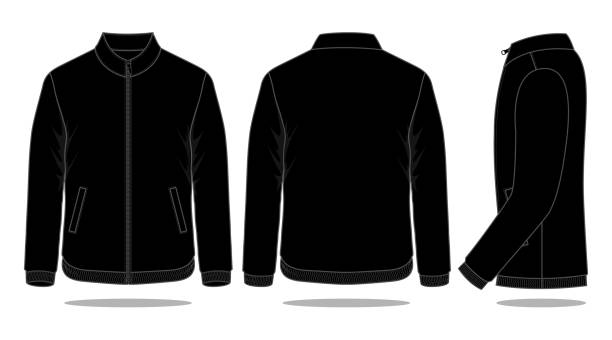
Biker style has never depended entirely on seasonal fashion trends. Its enduring appeal comes from a recognizable combination of structured outerwear, practical layers, dark or neutral colours, sturdy footwear, distinctive hardware, and a sense of individuality.
Television and film have helped introduce motorcycle-inspired fashion to wider audiences. Series such as Sons of Anarchy, for example, made patched jackets, leather outerwear, denim, boots, and rugged layering particularly recognizable to viewers. But these elements have a much broader history in motorcycle, workwear, and casual fashion.
For everyday streetwear, the most effective approach is usually restraint. Rather than reproducing a screen outfit piece by piece, choose one strong element—usually the jacket—and build the rest of the outfit around it.
A useful principle is:
Statement + Balance + Restraint.
The jacket provides the statement, the rest of the outfit balances its proportions, and restraint prevents the overall look from becoming costume-like.
Why Biker Style Still Works
Fashion changes quickly, but certain garments remain relevant because their underlying design is versatile.
The biker jacket is a good example.
Its seams, panels, collars, zippers, hardware, and structured shape can add visual interest to otherwise simple clothing. A plain T-shirt and jeans can look considerably more intentional once a well-proportioned jacket is added.
Biker-inspired outerwear also works with a variety of trousers, including:
- Straight-leg denim
- Relaxed jeans
- Cargo trousers
- Workwear-inspired pants
- Dark casual trousers
This flexibility allows the aesthetic to move beyond television or motorcycle references and become part of an everyday wardrobe.
TV Inspiration vs Everyday Biker Style
There is an important difference between taking inspiration from a television character and dressing like the character.
A screen wardrobe is designed to communicate personality visually. Costume departments can therefore combine multiple recognizable elements—patched jackets, boots, distressed denim, jewellery, belts, and other accessories.
In everyday clothing, reproducing all of those elements simultaneously can make an outfit feel theatrical.
Instead, identify what attracted you to the look.
Was it:
- The leather jacket?
- Rugged textures?
- Dark colour palette?
- Patch detailing?
- Denim?
- Boots?
- Layered silhouette?
Choose one or two of those characteristics and incorporate them into clothing you would otherwise naturally wear.
Make the Jacket the Statement Piece
The jacket should usually do most of the visual work.
If the outerwear has large patches, substantial hardware, distressed surfaces, or prominent graphics, keep the supporting pieces comparatively simple.
A black biker jacket, for example, can work with a white or grey T-shirt, straight dark denim, and uncomplicated boots.
A jacket with stronger graphics or patch detailing may work better with plain trousers and minimal footwear.
The objective isn’t to remove personality. It is to create visual hierarchy.
When every item competes for attention, the distinctive jacket can actually become less effective.
Start With the Right Fit
Fit has a greater effect on the finished outfit than adding more accessories.
There are three useful approaches to consider.
Close or Structured Fit
A relatively close-fitting jacket can create a sharper, more traditional biker-inspired silhouette.
It works particularly well with:
- T-shirts
- Straight denim
- Slim-straight trousers
- Cleaner leather boots
However, a jacket should still allow comfortable movement through the shoulders and arms.
Regular or Relaxed Fit
A slightly relaxed jacket provides more versatility for everyday streetwear.
It can accommodate:
- Heavyweight T-shirts
- Light sweatshirts
- Casual knitwear
- Straight or relaxed trousers
For many wardrobes, this is the easiest silhouette to combine with other clothing.
Layering Fit
If you intend to wear a hoodie or heavier knitwear beneath the jacket, test the fit with that layer rather than evaluating the jacket over a thin T-shirt.
Check:
- Shoulder mobility
- Chest room
- Sleeve comfort
- Jacket closure
- Arm movement
- Hood and collar interaction
Avoid simply buying several sizes larger to create an oversized effect. A jacket intentionally designed with relaxed proportions will generally behave differently from a traditionally cut jacket purchased too large.
Fashion Biker Jackets vs Protective Motorcycle Gear
This distinction is important.
A biker-inspired fashion jacket should not automatically be treated as protective motorcycle-riding equipment.
Fashion outerwear is primarily designed around appearance, comfort, and everyday use. Protective motorcycle equipment has a different purpose and may incorporate motorcycle-specific construction, abrasion resistance, impact protection, armour, reinforced areas, or other safety features.
Anyone purchasing clothing for actual motorcycle riding should evaluate equipment according to appropriate motorcycle-safety requirements, product specifications, fit, intended riding conditions, and applicable standards.
The styling guidance in this article concerns biker-inspired fashion and streetwear, not protective riding equipment.
Build the Outfit Around Simple Basics
One of the easiest styling mistakes is trying to make every piece look rugged.
Start with simple wardrobe basics such as:
- Plain crew-neck T-shirts
- Henleys
- Heavyweight tees
- Sweatshirts
- Hoodies
- Simple knitwear
Then add denim or understated trousers.
A black jacket over a white T-shirt remains effective precisely because there is little competition between the pieces.
If the jacket carries large patches or graphics, avoid automatically adding graphic trousers, heavily branded shoes, and multiple statement accessories.
Let one item establish the theme.
Choosing Denim and Trousers
Denim remains one of the easiest partners for biker-inspired outerwear.
Dark Indigo
Creates a cleaner, slightly more traditional appearance.
Washed Black
Works naturally with monochrome and darker streetwear.
Medium or Faded Blue
Can introduce a more casual or vintage-influenced appearance.
Straight-Leg Denim
Particularly versatile because it can balance the visual weight of leather outerwear without creating an excessively narrow or oversized silhouette.
Cargo trousers can move the outfit further toward contemporary streetwear, while clean black trousers can reduce the ruggedness and create a more minimal look.
The best choice depends on the jacket’s proportions.
Use Layers to Modernize the Look
Layering can move biker-inspired clothing away from literal motorcycle styling and toward contemporary casualwear.
A hoodie beneath a leather or biker-style jacket creates a relaxed silhouette and adds warmth. If the jacket already has a substantial collar, however, an extremely large hood can create unnecessary bulk around the neck and shoulders.
In milder conditions, try:
- Heavyweight T-shirt
- Long-sleeve tee
- Waffle-knit top
- Henley
- Lightweight knitwear
- Flannel or overshirt where proportions allow
The important consideration is how the layers interact rather than how many layers are added.
A Simple Biker-Jacket Styling Matrix
| Jacket Style | Base Layer | Bottom | Footwear | Overall Effect |
|---|---|---|---|---|
| Black leather biker | White T-shirt | Dark denim | Leather boots | Classic |
| Distressed brown jacket | Henley | Faded denim | Brown boots | Vintage-inspired |
| Minimal black jacket | Plain knit or tee | Black trousers | Low-top sneakers | Modern |
| Relaxed biker jacket | Hoodie | Cargo trousers | Sneakers | Streetwear |
| Patch/graphic jacket | Plain T-shirt | Simple denim | Minimal footwear | Statement-led |
These combinations are starting points rather than strict rules. Individual fit, colour, climate, and personal preference should guide the final outfit.
Use the Statement + Balance + Restraint Rule
A useful way to evaluate an outfit is to consider three elements.
Statement
Decide which garment is meant to attract attention.
With biker styling, that will usually be the jacket.
Balance
Consider the visual weight of the entire outfit.
A substantial jacket can pair naturally with straight or moderately relaxed trousers. Footwear should also make sense relative to trouser width and jacket volume.
Restraint
Decide which additional details are genuinely necessary.
For example:
Graphic jacket + plain T-shirt + straight denim + simple boots
creates a clear hierarchy.
By contrast:
Patched jacket + graphic hoodie + heavily distressed trousers + multiple chains + oversized boots
creates a deliberately maximalist look.
There is nothing inherently wrong with maximalism, but it produces a very different result from versatile everyday biker-inspired streetwear.
Choose Footwear That Matches the Outfit
Boots are naturally associated with biker style, but they are not the only option.
A simple black or brown leather boot creates a strong traditional connection. If the jacket already includes substantial metal hardware, cleaner footwear can prevent the outfit from becoming visually overloaded.
Sneakers can make the same jacket feel more contemporary.
White or neutral sneakers can lighten a dark outfit, while black low-tops maintain a more monochromatic appearance.
Proportion matters with heavier footwear. Large boots or chunky sneakers can work with relaxed jeans and cargo trousers but may look disproportionately heavy when combined with very narrow trousers.
Keep Accessories Controlled
Accessories can support the aesthetic without becoming its defining feature.
Options might include:
- Simple watch
- Understated chain
- One or two rings
- Dark belt
- Sunglasses
The objective is not necessarily to avoid accessories but to consider how much visual information is already present.
A highly detailed jacket may need very little additional styling.
Leather, Faux Leather, or Textile?
Material changes both the appearance and practicality of a jacket.
Leather
For fashion jackets, consider:
- Leather type
- Thickness
- Surface finish
- Lining
- Stitching
- Hardware
- Weight
- Care requirements
Leather can develop character with use, but different leather types and finishes behave differently.
Synthetic or Faux Leather
Synthetic alternatives can provide a similar visual direction but may differ in:
- Feel
- Flexibility
- Breathability
- Durability
- Ageing
- Maintenance
Buyers should evaluate the actual material specification rather than assuming all faux-leather garments perform similarly.
Textile
Textile jackets can provide another route into biker-inspired styling, particularly for people who prefer lighter garments.
Consider:
- Fabric weight
- Structure
- Lining
- Weather suitability
- Layering room
- Care requirements
For fashion purposes, no single material is automatically the best choice. The right option depends on budget, climate, wardrobe, intended use, and personal preference.
Adapt Biker Style to the Season
Heavy leather isn’t practical in every climate.
Cooler Weather
Try:
Jacket + hoodie or knitwear + denim + boots
This allows texture and layering to become part of the look.
Mild Weather
Try:
Jacket + heavyweight T-shirt + straight trousers + sneakers
The jacket remains the focal point without unnecessary layers.
Warmer Weather
Rather than forcing a heavy jacket into unsuitable conditions, borrow individual elements from the aesthetic.
Dark denim, neutral colours, sturdy footwear, simple jewellery, or a lighter structured outer layer can retain some of the visual language without excessive weight.
Style should remain practical for the actual environment.
How to Choose a Biker-Inspired Jacket
Appearance matters, but it should not be the only buying criterion.
Before purchasing, check:
Shoulder Fit
The shoulder seam and overall construction should work with your intended silhouette without unnecessarily restricting movement.
Sleeve Length
Consider where the sleeve ends when your arms are relaxed and when they are moving.
Chest and Layering Room
If you plan to wear hoodies or knitwear underneath, test or measure accordingly.
Material
Understand whether the jacket is leather, synthetic, textile, or a combination.
Lining
Lining can affect warmth, comfort, and seasonal usability.
Hardware
Check zippers, snaps, buckles, and other components for functionality as well as appearance.
Stitching
Look for consistent construction, particularly around high-use areas such as pockets, sleeves, and closures.
Pockets
Consider whether they are actually useful for how you intend to wear the jacket.
Care Requirements
Different materials may require very different cleaning and storage methods.
Measurements
When shopping online, don’t rely exclusively on S, M, L, or XL labels.
A particularly useful approach is to compare the garment’s published measurements with a jacket you already own and like.
That provides a more meaningful reference point than the size name alone.
Common Biker-Style Mistakes
Adding Too Many Theme Elements
A patched jacket, bandana, multiple chains, distressed jeans, large belt buckle, gloves, and heavy boots can make an everyday outfit feel costume-like.
Choose the elements that matter most.
Ignoring Proportion
The relationship between jacket volume, trouser width, and footwear matters.
Evaluate the outfit as a complete silhouette rather than choosing every garment independently.
Buying Too Small for Layering
A jacket that fits perfectly over a T-shirt may become uncomfortable over a hoodie.
Buy according to how you actually intend to wear it.
Making Every Piece Black Without Considering Texture
An all-black outfit can work very well, but different textures help create visual separation.
Leather, denim, cotton, knitwear, and suede-like surfaces can prevent a monochromatic outfit from appearing flat.
Copying a Screen Character Exactly
Television wardrobes are designed for characters.
Everyday wardrobes are designed for the person wearing them.
Take the elements that work and leave the rest.
Making TV-Inspired Style Your Own
The most convincing outfits rarely reproduce a screen look piece by piece.
Instead, take one recognizable idea and combine it with clothing already present in your wardrobe.
A biker-inspired jacket can work with:
- Hoodie and cargos
- Plain T-shirt and denim
- Knitwear and dark trousers
- Heavyweight tee and relaxed jeans
- Minimal sneakers and monochrome basics
Colour can also change the character of the outfit.
Black tends to feel sharper and more traditional. Brown can introduce a vintage influence. Distressed surfaces increase the rugged quality, while cleaner finishes can work more naturally with minimalist streetwear.
This flexibility is one reason biker-inspired fashion remains adaptable. It can acknowledge motorcycle culture and television influences without requiring the wearer to dress like a fictional character.
Final Thoughts
The continuing appeal of television-inspired biker style comes from more than nostalgia. Its underlying wardrobe is built from garments that already have a place in everyday casualwear: structured outerwear, denim, T-shirts, hoodies, boots, and neutral layers.
The strongest approach is usually restraint.
Choose one jacket with personality. Get the fit right. Build around uncomplicated basics. Consider the relationship between jacket volume, trousers, and footwear. Use accessories selectively and choose materials appropriate for the climate and intended use.
Most importantly, distinguish biker-inspired fashion from protective motorcycle equipment when shopping for a jacket.
When these principles come together, the result doesn’t need to look like a television costume. It becomes a wearable interpretation of biker aesthetics that can fit naturally into a modern streetwear wardrobe.









Leave a Reply