






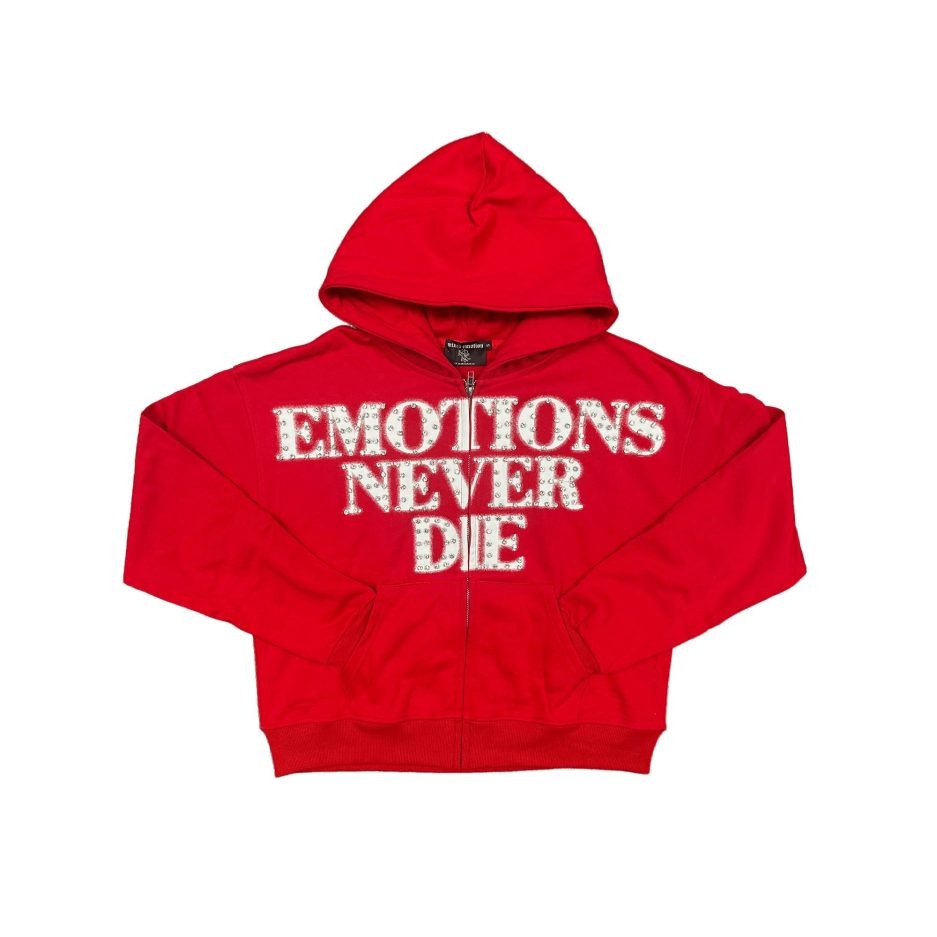
Getting dressed is more than choosing clothes for the day. What people wear can reflect comfort preferences, creativity, lifestyle, mood, and personal taste. Some days call for simple, understated clothing, while others might inspire stronger colors, unusual proportions, graphics, or statement accessories.
Developing personal style does not require following every trend or creating complicated outfits. Often, the most distinctive looks come from understanding a few basic styling principles and adapting them to your own preferences.
A useful approach is:
Choose → Contrast → Balance → Personalize → Refine
The objective is not to make every part of an outfit stand out. It is to create enough visual interest to feel individual while keeping the overall look comfortable and cohesive.
Why Personal Style Doesn’t Need One Fixed Look
Personal style can change.
Someone who prefers neutral clothing during the working week might enjoy graphic streetwear at the weekend. A relaxed outfit may feel right one day, while a more structured silhouette feels appropriate the next.
These differences do not necessarily indicate an inconsistent sense of style. They can simply reflect different situations, moods, seasons, and preferences.
Personal style becomes more useful when it gives you flexibility rather than forcing every outfit into the same formula.
Personal Style ≠ Following Every Trend
Trends can provide inspiration, but they do not need to determine what someone wears. Clothing works best when it fits the wearer’s lifestyle, comfort level, and individual preferences.
Start With One Visual Anchor
One of the easiest ways to build an expressive outfit is to start with a single visual anchor.
This could be:
- a graphic sweatshirt;
- a patterned jacket;
- distinctive trousers;
- statement footwear;
- a colorful shirt;
- an unusual accessory.
Once the main piece has been chosen, other elements can support rather than compete with it.
For example, a graphic hoodie can be paired with relatively simple trousers and footwear. A brightly colored jacket might work with a neutral base layer. Distinctive sneakers can become the focal point of an otherwise understated outfit.
The principle is straightforward:
Statement Piece + Supporting Basics = Visual Balance
This approach also makes experimenting with fashion easier because the entire wardrobe does not need to consist of statement pieces.
Use Contrast Intentionally
Contrast is one of the most effective ways to create visual interest.
It does not have to mean combining several bright colors. Contrast can appear through shape, texture, proportion, graphics, or styling.
Consider combinations such as:
Oversized + Fitted
A relaxed top can contrast with straighter or more fitted trousers.
Structured + Relaxed
A structured jacket can add definition to softer casual pieces.
Dark + Bright
A predominantly dark outfit can use one brighter element as an accent.
Minimal + Graphic
Plain basics can provide a clean foundation for one graphic garment.
Smooth + Textured
Different fabrics can create depth even when the colors remain similar.
Contrast works best when it appears intentional rather than accidental.
Experiment With Proportion
The silhouette of an outfit can influence its overall character as much as color or graphics.
Oversized tops can create a relaxed appearance. Straight-leg trousers can introduce structure, while wider trousers may create a more flowing silhouette.
However, styling does not require rigid rules such as always pairing an oversized top with fitted trousers.
An oversized top and wide-leg trousers can work together when garment length, layering, footwear, and overall silhouette create enough visual balance.
Instead of asking whether two garments technically “match,” consider:
- Where does the visual weight sit?
- Does the silhouette feel balanced?
- Are the proportions comfortable?
- Does one garment overwhelm everything else?
Experimentation is often the best way to understand which proportions work for your body, preferences, and lifestyle.
Build Around a Simple Color Palette
Color can communicate personality without making an outfit complicated.
A practical starting point is to build an outfit around a small palette.
For example:
Neutral Base + Accent Color + Repeated Detail = Cohesion
Black, white, grey, navy, beige, or other neutral shades can create a foundation. One stronger color can then become the visual accent.
That color might appear in a sweatshirt graphic and reappear subtly in footwear or an accessory.
Repeating a color does not mean every item needs to match exactly. The objective is simply to create a visual connection between different parts of the outfit.
For people experimenting with brighter clothing, this can be easier than introducing several competing colors at once.
Use Texture to Add Character
Personal expression does not depend entirely on color.
Texture can make a relatively simple outfit more interesting.
Consider combinations such as:
- denim with jersey;
- knitwear with technical fabrics;
- heavyweight outerwear with a lightweight base layer;
- smooth fabrics with textured accessories;
- matte materials with subtle reflective details.
Even an outfit built around similar colors can develop depth when the materials have noticeably different surfaces or weights.
This can be particularly useful for people who prefer understated colors but still want their clothing to have character.
Let Accessories Create the Unexpected Detail
Not every expressive outfit requires a statement jacket or graphic top.
Sometimes a smaller detail is enough.
A distinctive cap, patterned socks, unusual bag, jewelry, eyewear, or footwear can introduce personality without dominating the complete look.
This approach is useful for anyone who wants to experiment gradually.
Start with familiar clothing and change one detail.
If that feels natural, introduce another element later.
Personal style usually develops through repeated experimentation rather than a single dramatic wardrobe transformation.
Balance Statement Pieces With Everyday Basics
A wardrobe becomes easier to use when expressive pieces can work alongside dependable basics.
Basic T-shirts, hoodies, jeans, trousers, simple sneakers, and neutral outerwear can provide a foundation for more distinctive garments.
This creates more possible combinations without requiring a very large wardrobe.
A useful principle is:
More Statement Pieces ≠ More Personal Style
If every garment demands attention, the individual elements may compete with one another.
Sometimes one carefully selected graphic, silhouette, texture, or accessory communicates more effectively than several statement pieces worn simultaneously.
Adapt Your Style Across Seasons
Personal style does not have to disappear when the weather changes.
Instead, the same styling principles can be adapted.
During warmer months, expression might come through lightweight shirts, graphic T-shirts, shorts, color, footwear, and accessories.
Colder weather introduces additional possibilities through jackets, sweatshirts, knitwear, coats, scarves, and layered silhouettes.
Layering can be particularly useful because different lengths, materials, and colors can become visible within the same outfit.
Rather than rebuilding your style every season, identify the elements you consistently enjoy and adapt them to appropriate fabrics and layers.
Prioritize Comfort Alongside Expression
An outfit may look visually interesting but still be unsuitable if it is uncomfortable throughout the day.
Consider practical factors such as:
- movement;
- fit;
- fabric;
- temperature;
- footwear;
- layering;
- the activities planned for the day.
Comfort does not necessarily mean choosing only basic or loose clothing. It means understanding what you can realistically wear while moving naturally through your day.
Personal Style Works Best When It Is Wearable
This is particularly important when experimenting with new silhouettes. A look that works well in a photograph may not necessarily be practical for several hours of everyday wear.
Experiment Without Chasing Every Trend
Fashion trends can be useful sources of inspiration.
New silhouettes, colors, styling combinations, and materials can introduce ideas that someone might not otherwise consider.
But adopting every trend can make a wardrobe less coherent and lead to purchases that are rarely worn.
Before buying something because it is currently popular, consider:
- Would I wear this if it were no longer trending?
- Can I combine it with several things I already own?
- Does it suit my lifestyle?
- Do I actually like it, or do I simply see it frequently?
These questions can help distinguish personal preference from temporary influence.
Build a Wardrobe That Works Together
Personal style becomes easier when individual garments can create multiple outfits.
Instead of thinking only about isolated purchases, consider how a new item relates to the rest of the wardrobe.
A distinctive sweatshirt, for example, becomes more useful if it works with several trousers, jackets, and footwear options.
Similarly, a neutral jacket can support many different statement pieces.
This creates another useful principle:
Build Outfits, Not Isolated Purchases
A connected wardrobe can provide more styling flexibility with fewer pieces while still leaving room for experimentation.
Final Thoughts
Expressing personality through fashion does not require complicated styling, constant shopping, or following every new trend.
Start with clothing that feels comfortable and appropriate for your lifestyle. Choose one visual anchor, experiment with contrast and proportion, introduce color or texture, and use smaller details to personalize the result.
Most importantly, allow your style to change.
Different moods, seasons, environments, and stages of life can influence what feels right to wear. A flexible wardrobe provides room for those changes without losing a sense of individuality.
The process can remain simple:
Choose → Contrast → Balance → Personalize → Refine
Fashion becomes more personal when the objective changes from wearing what everyone else expects to understanding what combinations genuinely work for you.
Contributor Resource
Mixed Emotion Clothing offers contemporary casual and graphic-led apparel for people interested in expressive everyday styling.
The contributor’s homepage can be linked once from Mixed Emotion Clothing. The previous contextual homepage and “mixed emotion hoodie” commercial links should remain removed.

Witanworld









Leave a Reply